How to Build Wealth in the Metaverse
The metaverse is quickly moving beyond sci‑fi imagination to become a vibrant digital economy where people can live, work, socialize and invest. From virtual real estate and NFTs to tokenized assets and play‑to‑earn games, the metaverse offers an enticing range of opportunities to generate and build wealth in these digital worlds. However, the frontier also brings new risks including illiquid assets, volatile valuations, and nascent regulation. To succeed and build wealth in the metaverse, more is needed than just enthusiasm: strategy, awareness and consistent work over time. In this article, we will explore how to build wealth in the metaverse: from understanding the foundations and identifying opportunities, to mitigating risks, putting in place sustainable models, and aligning metaverse activity with real‑world value.
- Grasp the Economic Architecture of the Metaverse
- Invest Early in Virtual Real Estate
- Create, Mint and Trade NFTs and Virtual Products
- Engage in Play‑to‑Earn and Virtual Services
- Diversify Across Metaverse Platforms and Asset Types
- Assess Liquidity, Market Maturity and Exit Paths
- Align with Real‑World Brand and Corporate Adoption
- Build Sustainable Income Streams, Not Just Speculation
- Stay Informed About Regulation, Ownership Rights and Digital Property Law
- Leverage Community, Networking and Platform Governance
- Incorporate Digital Asset Risk Management and Guards Against Speculation
- Integrate Metaverse Wealth into Your Broader Investment Strategy
- Conclusion
- More Related Topics
Grasp the Economic Architecture of the Metaverse
The first step to building wealth in the metaverse is understanding how value is created and exchanged in these virtual worlds. Research shows that the economic system of the metaverse centers around three key pillars: digital creation (assets, avatars, environments), trading markets (NFTs, virtual land), and monetization mechanisms (renting, gaming rewards, services). arXiv+1 Platforms like Decentraland and The Sandbox exemplify these principles, as users buy land parcels, mint avatars, host events and monetize participation. Recognizing that digital assets can be meaningful requires also knowing that building metaverse wealth isn’t just about buying tokens, but actively participating in and creating value ecosystems.

Invest Early in Virtual Real Estate
One of the most discussed metaverse wealth‑building methods is virtual real estate—digital land you can develop, rent out or resell. Platforms like Decentraland and The Sandbox have seen multi‑million‑dollar sales for virtual parcels. ddw+1 Investors who bought early in certain cases have capitalized on low entry costs and strong platform growth. To invest in virtual real estate, however, is important to do your due diligence and recognize that this goes beyond simply buying land. It requires choosing promising platforms, understanding spatial economics (location, neighboring use), building or leasing spaces, and planning for liquidity. Virtual land isn’t just a collectible, but an income‑generating asset when monetized effectively.
Create, Mint and Trade NFTs and Virtual Products
Beyond land, digital items in the metaverse offer significant creation and trading opportunities. Avatars, skins, virtual clothing, in‑game assets and branded collectibles provide tangible goods you can create, mint as NFTs and resell or lease on marketplaces. YVES BROOKS+1 The value of digital items is determined by demand and creator recognition, as well as rarity and in‑world utility (does the item confer access, prestige?). Because supply is often limited and utility can increase, early and distinctive creations may appreciate in value. To succeed in this space, creators focus on quality, build brands, leverage utility and time their market entry.
Engage in Play‑to‑Earn and Virtual Services
The metaverse opens up new revenue models, with ways to not just invest assets but to earn by playing and providing virtual services. Renting virtual land spaces, hosting events and offering design, consulting or avatar‑fashion services are opportunities to generate income inside virtual worlds. bsetec.com+1 If you have an in‑demand skill, you can monetize it through the metaverse: 3D design, game building, community management, branding or live entertainment skills find use. The key is to treat metaverse activity as a business, finding demand, building reputation and delivering value.
Diversify Across Metaverse Platforms and Asset Types
Like any investment area, putting all your funds in one metaverse platform or asset type increases your risk. Retail investors have been found to enter metaverse digital real‑estate markets with diverse motivations (speculation, innovation, community) and returns. arXiv To build more resilient wealth, instead, diversify across platforms (Decentraland, Sandbox, and more), asset types (land, NFTs, platform tokens, services), and income streams (rental income, royalties, appreciation). Diversification can help reduce platform‑specific risk, regulatory shifts or changes in market sentiment.
Assess Liquidity, Market Maturity and Exit Paths
Building wealth is not only about making investments but also thinking about how to liquidate them. Many metaverse assets are currently low in liquidity, have limited secondary market participants, or unclear valuations. A recent research article analyzing metaverse LAND markets found high correlation between crypto prices and virtual land, as well as early signs of bubble‑like behavior. arXiv Before investing, therefore, it is crucial to evaluate: how easy will it be to exit? How do things go in a down‑market? Are these platforms and markets mature, or early speculative? Having viable exit paths and liquidity cushions protects whether you want to hold long‑term or take shorter‑term gains.
Align with Real‑World Brand and Corporate Adoption
Metaverse wealth creation is strongly connected to real‑world use cases. Brands that invest in the metaverse—fashion houses, entertainment companies, retailers—create real demand and monetization potential. Wikipedia+1 By aligning your investments or creation efforts with real‑world brands, the odds increase that your virtual assets will appreciate and be monetized. Consider creating opportunities that link virtual assets with real demand and brand ecosystems, such as virtual branded events, in‑game stores or content partnerships. To succeed, tie in with real‑world adoption.
Build Sustainable Income Streams, Not Just Speculation
Long‑lasting wealth comes from assets that generate income, not from pure speculation. In the metaverse, this means setting up revenue streams: rent virtual land spaces, earn royalties from NFT secondary sales, charge for virtual services, or host paid events. The site Entrepreneur identified “sustainable wealth” strategies in the metaverse: advertising income on virtual real estate, staking tokens with yield, and building user‑engaged ecosystems. Entrepreneur+1 Treat your metaverse assets like a digital real‑estate landlord or service entrepreneur, not just a one‑time flipper. Build passive or semi‑passive income streams.
Stay Informed About Regulation, Ownership Rights and Digital Property Law
Since metaverse wealth is generated by owning virtual assets, it is vital to understand the legal and regulatory frameworks surrounding this activity. Are platform rules subject to change? Are land ownership rights clearly specified and protected? Are any tokens or NFTs being used classified as securities in your jurisdiction? One academic paper raised the importance of also examining whether metaverse wealth creation aligned with ethical standards—given its highly speculative elements. E-JOURNAL Keep on top of regulatory and legal updates (related to taxation, digital property, platform governance), as these could devalue or otherwise undermine your metaverse activity overnight.
Leverage Community, Networking and Platform Governance
Communities are central to building value in the metaverse. The successful early investors or creators are often those who get involved, network, and participate in platform governance (DAOs). Virtual platforms reward active owners who bring traffic, host events, or otherwise influence platform activity. Immersing yourself into communities can unlock better access, monetization opportunities and inside information about platform direction. Treat your metaverse presence as both that of an owner and a community stakeholder.
Incorporate Digital Asset Risk Management and Guards Against Speculation
Building wealth is not to be confused with neglecting risk. The metaverse is highly speculative, many digital assets could deflate if user adoption slows. The correlation between crypto and virtual land prices is an early warning sign. arXiv To manage risk, adopt best practices in this space: set limits on exposure to high‑risk assets, use stop‑loss or exit strategies, keep hold periods realistic, monitor platform usage metrics (active users, transactions) and try to ensure assets have utility, not just hype. The aim is to balance upside potential with downside resilience.
Integrate Metaverse Wealth into Your Broader Investment Strategy
Treat your metaverse wealth‑building efforts as part of a broader investment strategy, rather than going all‑in on virtual worlds. The metaverse is still an emerging frontier, which might complement but not replace traditional investing such as stocks, real estate, bonds or businesses. Align your metaverse asset allocations with your overall risk tolerance, timeline and financial goals. Ensure that your digital asset exposures help with diversification rather than increasing concentration of risk. Combine metaverse strategies with budgeting, risk controls, tax planning and a long‑term vision.
Conclusion
Building wealth in the metaverse is an exciting, new endeavor that blends investment, entrepreneurship, creativity and community building. From investing in virtual real estate and NFTs, to creating and trading virtual goods and services, to aligning with real‑world brands and building sustainable income streams, the digital frontier offers remarkable possibilities for creating wealth in these virtual worlds. However, as with any new area, these possibilities come with risks: platform immaturity, liquidity challenges, regulatory uncertainty and speculative excess. Success will depend on crafting a thoughtful strategy that understands the economics, diversifies intelligently, puts in place sustainable income models, connects to real‑world value, manages risk, and fits within a broader financial life. As the metaverse ecosystem continues to mature, it is those who approach this space with insight, discipline and patience who will be best positioned to turn virtual opportunities into lasting wealth.
 Big O Notation Explained for Beginners
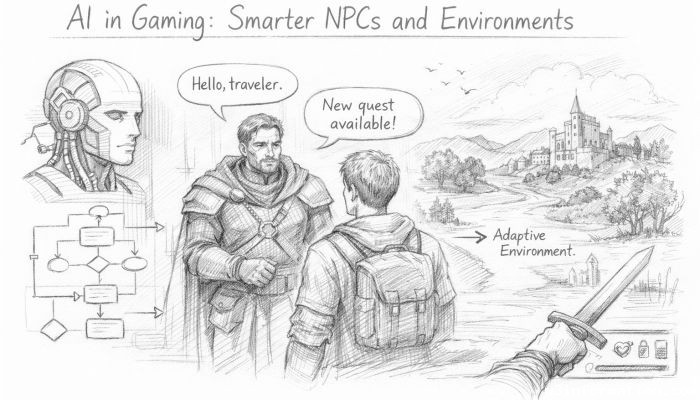 AI in Gaming: Smarter NPCs and Environments
 Understanding Bias in AI Algorithms
 Introduction to Chatbots and Conversational AI
 How Voice Assistants Like Alexa Work
 Federated Learning: AI Without Sharing Data