How to Stay Ahead of Financial Technology Trends
In today’s rapidly evolving financial landscape, staying ahead of financial technology (FinTech) trends is not just an advantage—it’s a necessity. As digital innovation disrupts traditional financial services, individuals and businesses alike must remain informed and adaptable to thrive. From blockchain and artificial intelligence (AI) to digital wallets and decentralized finance (DeFi), the range of groundbreaking technologies transforming finance is vast and fast-moving. This article explores how to navigate this dynamic sector, offering insights into recognizing emerging trends, leveraging new tools, and maintaining agility in the face of continual change. Whether you’re a finance professional, entrepreneur, or simply a tech-savvy consumer, understanding how to anticipate and harness FinTech trends will empower you to make smarter financial decisions, enhance efficiency, and unlock new opportunities for growth.
- Understand the FinTech Ecosystem
- Monitor Regulatory Changes
- Follow Technology Innovation Cycles
- Leverage Industry Reports and Research
- Engage with FinTech Communities and Networks
- Experiment with Emerging FinTech Tools
- Track Venture Capital and Startup Activity
- Stay Updated on Consumer Behavior Shifts
- Collaborate Across Disciplines
- Adopt a Future-Focused Mindset
- Prioritize Data Literacy and Cybersecurity
- Harness Artificial Intelligence and Automation
- Conclusion
- More Related Topics
Understand the FinTech Ecosystem
Before diving into emerging trends, it’s essential to grasp the broader FinTech ecosystem. This includes startups, established financial institutions, regulators, technology providers, and consumers, all interacting in a complex web. FinTech spans various sectors such as payments, lending, insurance (InsurTech), wealth management (WealthTech), and blockchain. Familiarity with major players, business models, and technological foundations provides context for recognizing where innovations are likely to emerge. Additionally, understanding this ecosystem aids in identifying collaboration and competition dynamics that shape market developments.

Monitor Regulatory Changes
Regulation plays a crucial role in FinTech evolution. Governments worldwide are crafting policies to balance innovation with consumer protection, data privacy, and cybersecurity. Staying informed about regulatory changes can help anticipate shifts that may accelerate or impede new technologies’ adoption. For instance, evolving guidelines on cryptocurrency or open banking can drastically impact how products and services develop. Engaging with regulatory updates, consultation papers, and policy debates provides valuable foresight into the legal environment influencing FinTech trends.
Follow Technology Innovation Cycles
FinTech trends often follow technology innovation cycles rooted in advances like artificial intelligence, machine learning, big data analytics, cloud computing, and blockchain. Tracking progress in these underlying technologies helps predict which innovations might soon disrupt specific financial sectors. For example, improvements in AI algorithms have fueled growth in automated investment advisors (robo-advisors) and fraud detection systems. Staying updated on technological research, patents, and breakthrough applications ensures readiness for when new tools mature and enter the market.
Leverage Industry Reports and Research
Comprehensive industry reports from consultancies, market research firms, and think tanks offer invaluable insights into current FinTech trends and projections. Reports analyze market size, adoption rates, venture capital investments, and emerging startups. Subscribing to or periodically reviewing reports from reputable sources like McKinsey, PwC, Deloitte, CB Insights, or Gartner allows for data-driven understanding of where the sector is heading. These resources often highlight which innovations have the most momentum and potential for long-term impact.
Engage with FinTech Communities and Networks
Active participation in FinTech communities—both online and offline—provides access to real-time information and diverse perspectives. Forums, webinars, conferences, and networking groups connect stakeholders who share knowledge about challenges, best practices, and new developments. Platforms like LinkedIn groups, Reddit threads, FinTech-focused newsletters, and meetups enable continuous learning. Engaging with these communities facilitates timely exposure to trend signals and fosters relationships that can open doors to partnerships or insights.
Experiment with Emerging FinTech Tools
Hands-on experience with new technologies is one of the best ways to stay ahead. Testing emerging FinTech applications, such as blockchain platforms, digital wallets, or AI-powered financial tools, deepens understanding of their capabilities and limitations. This practical approach helps evaluate how innovations can fit into existing workflows or financial strategies. Moreover, early experimentation allows individuals and organizations to adapt faster when such tools gain mass adoption, avoiding lag in essential digital transformation.
Track Venture Capital and Startup Activity
FinTech innovation is often driven by startups backed by venture capital (VC) investments. Monitoring where VC funds are flowing highlights areas attracting investor confidence and rapid development. Platforms like Crunchbase, AngelList, and PitchBook provide data on funding rounds, recent IPOs, and acquisitions. Observing which segments—whether digital lending, InsurTech, or cryptocurrency exchanges—receive significant investment can signal which innovations might soon reshape markets or consumer behavior.
Stay Updated on Consumer Behavior Shifts
Consumer preferences and behaviors significantly influence FinTech trends. The demand for convenience, personalization, transparency, and security drives adoption of services like mobile payments, peer-to-peer lending, and robo-advisors. Tracking changes in how consumers engage with financial products—via surveys, social media sentiment analysis, and usage data—offers clues about emerging needs and pain points. Understanding these behavioral trends allows for anticipating which technologies will resonate and achieve widespread acceptance.
Collaborate Across Disciplines
FinTech intersects finance, technology, law, and data science, among other areas. Staying ahead requires cross-disciplinary collaboration that brings diverse expertise to innovation challenges. For businesses, fostering partnerships among finance professionals, software developers, cybersecurity experts, and compliance officers ensures that new products are robust, user-friendly, and legally sound. Individuals interested in FinTech should seek continuous education in complementary domains to build a holistic perspective that enhances their ability to spot and adapt to trends.
Adopt a Future-Focused Mindset
Keeping pace with FinTech demands cultivating a mindset oriented toward future possibilities rather than just present realities. This involves curiosity, openness to experimentation, and resilience in the face of uncertainty. Embracing change as an ongoing process—with readiness to pivot strategies—is crucial. Engaging in scenario planning or foresight exercises helps envision potential trajectories and prepare proactively. A future-focused mindset also nurtures lifelong learning habits essential for staying ahead amid the relentless pace of innovation.
Prioritize Data Literacy and Cybersecurity
As financial services grow increasingly digital, data literacy and cybersecurity become foundational. Understanding how data drives decision-making and innovation equips individuals and organizations to better evaluate FinTech offerings. Simultaneously, knowledge of cybersecurity principles ensures safe adoption and management of new technologies, protecting assets and maintaining trust. Investing in education and infrastructure around these areas strengthens the capability to harness FinTech trends securely and effectively.
Harness Artificial Intelligence and Automation
Artificial intelligence and automation are central engines propelling many FinTech trends forward. From credit scoring and fraud detection to personalized financial advice, AI enables smarter, faster, and more scalable services. Keeping abreast of advances in AI models, natural language processing, and robotic process automation (RPA) helps anticipate how these tools will evolve financial interactions. Experimenting with AI-powered platforms and integrating automation can create efficiencies and competitive advantages in rapidly evolving markets.
Conclusion
Staying ahead of financial technology trends is both a strategic imperative and an ongoing journey. By understanding the FinTech ecosystem, monitoring regulatory environments, following innovation cycles, and engaging with industry communities, individuals and organizations position themselves to capitalize on emerging opportunities. Hands-on experimentation, tracking investment flows, and attentiveness to consumer behavior further enhance the ability to anticipate shifts in this dynamic sector. Cultivating cross-disciplinary collaboration, a future-focused mindset, and strong data and cybersecurity competencies provides resilience in the face of rapid change. Ultimately, embracing artificial intelligence and automation unlocks new potential to transform finance profoundly. In a world where technology continually reshapes how we manage, spend, and invest money, staying ahead of FinTech trends equips us not just to survive but to innovate and lead in the financial future.
 Big O Notation Explained for Beginners
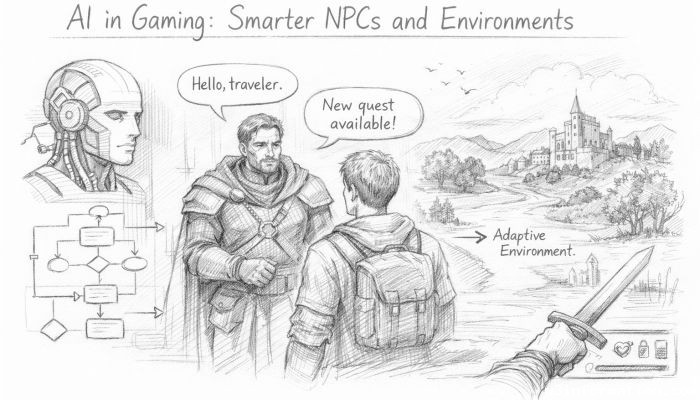 AI in Gaming: Smarter NPCs and Environments
 Understanding Bias in AI Algorithms
 Introduction to Chatbots and Conversational AI
 How Voice Assistants Like Alexa Work
 Federated Learning: AI Without Sharing Data