How to Transition to Cashless Living
In an era defined by technological innovation and convenience, the idea of cashless living has gained significant attention. Transitioning to a life without physical money can offer various advantages, such as enhanced financial tracking, security, and expedited transactions. However, such a transition requires careful planning, adaptation, and the right mindset. This article delves into the process of moving to cashless living, offering actionable tips, considerations, and strategies for a secure, efficient, and empowering money-free lifestyle.
- Understand the Benefits of Cashless Living
- Assess Your Current Financial Habits
- Open and Optimize Digital Payment Accounts
- Embrace Mobile Payment Solutions
- Learn to Budget Digitally
- Transition Gradually
- Ensure Security and Privacy
- Manage Subscriptions and Recurring Payments
- Prepare for Cashless Challenges
- Educate Family and Household Members
- Monitor and Adapt
- Explore Emerging Cashless Technologies
- Conclusion: Embracing a Cashless Lifestyle
- More Related Topics
Understand the Benefits of Cashless Living
Before embarking on a cashless journey, it’s essential to understand the potential benefits associated with digital payments. Going cashless offers convenience by enabling seamless purchases online or in-person without carrying bulky wallets or cash. Moreover, cashless living simplifies tracking expenses through banking apps or digital transaction records, aiding in budgeting and financial management. In addition, it minimizes the risks of theft or loss associated with physical money. Recognizing these advantages provides a foundation for embracing the transition, highlighting how technology can facilitate day-to-day financial transactions with more security and transparency.

Assess Your Current Financial Habits
Analyzing your existing spending and payment habits is crucial before making the switch to a cashless lifestyle. Take a closer look at your current financial transactions, such as cash usage frequency, types of purchases, and occasions when cashless alternatives are already in place. By understanding your financial behavior, you can determine which tools and strategies will be most effective in a seamless transition. This evaluation also helps in identifying potential challenges and obstacles, such as handling small transactions, dealing with cash-only vendors, or maintaining digital security. Having a clear understanding of current habits lays the groundwork for a gradual and practical adaptation to a cashless environment.
Open and Optimize Digital Payment Accounts
Digital accounts form the backbone of a cashless lifestyle. Open bank accounts, credit cards, debit cards, and mobile wallets that support contactless and online transactions. Look for reliable financial institutions and platforms that prioritize security, offer low fees, and provide user-friendly interfaces. Additionally, linking these accounts to mobile banking apps enables you to monitor transactions, manage balances, and track expenses in real-time. Optimizing digital accounts is key to ensuring you can conduct most, if not all, financial activities without relying on physical cash while maintaining flexibility and transparency.
Embrace Mobile Payment Solutions
Mobile payment solutions have become a cornerstone of the cashless revolution. Platforms like Apple Pay, Google Wallet, Samsung Pay, and PayPal offer convenience, security, and the ability to make contactless payments at stores, complete in-app purchases, and conduct online transactions with minimal effort. Set up and configure mobile wallets with various funding sources, such as credit cards, debit cards, or bank accounts, to provide flexibility and backup options. Mobile payments minimize the need to carry physical cash, speed up checkout processes, and can be easily integrated with budgeting and financial management apps. Familiarizing yourself with and utilizing mobile payment solutions is an integral part of embracing a cashless lifestyle.
Learn to Budget Digitally
Budgeting becomes even more critical when transitioning to a cashless lifestyle. Leverage apps and online tools that can categorize spending, track recurring payments, and send notifications when you overspend in a particular category. Digital budgeting aids in identifying unnecessary expenditures, managing bills, and ensuring funds are allocated efficiently. Additionally, you can set financial goals within these apps, allowing for automated savings and more efficient money management. Adopting a digital-first approach to budgeting ensures you maintain control over your finances, even without physical cash, promoting healthy financial habits and long-term stability.
Transition Gradually
Transitioning to an entirely cashless lifestyle overnight can be daunting for many. Instead, start by gradually reducing your reliance on physical cash. Begin with everyday essentials, such as groceries, fuel, and dining out, by utilizing cards or mobile payments whenever possible. Keep a small amount of cash in an easily accessible place for emergencies or cash-only establishments until you feel completely comfortable with the transition. This gradual approach reduces stress and anxiety, allowing you to adapt to new systems, identify gaps in your digital infrastructure, and build confidence in a cashless environment. Patience and persistence are key to a successful transition to cashless living.
Ensure Security and Privacy
Security and privacy are of paramount importance when dealing with digital transactions. Protect your accounts by using strong, unique passwords, two-factor authentication, and biometric verification when available. Be cautious about sharing sensitive account information, and regularly monitor transactions to quickly detect any unauthorized activity. Secure your devices with antivirus software and keep apps updated to minimize vulnerabilities. Stay informed about common scams, phishing attempts, and identity theft to safeguard your digital assets. Prioritizing security and privacy ensures a safer and more reliable cashless lifestyle, reducing the risk of financial loss or privacy breaches.
Manage Subscriptions and Recurring Payments
Recurring expenses, such as utility bills, streaming services, and insurance premiums, are an integral part of most people’s finances. To transition to cashless living, ensure these payments are managed digitally. Set up auto-pay through bank accounts, credit cards, or mobile wallets, and regularly monitor transactions to avoid missed payments or overcharges. Automated payments simplify cash flow management, eliminate the need for physical cash in these situations, and help maintain financial reliability. Managing subscriptions and recurring payments digitally contributes to a smoother transition and long-term financial stability.
Prepare for Cashless Challenges
While a cashless lifestyle offers numerous benefits, it’s not without challenges. Acceptance issues, technical failures, or connectivity problems may arise. Some vendors or establishments may still require cash, and network outages can temporarily limit access to your funds. Keep a small emergency cash reserve or a backup card for such situations. Being aware of potential obstacles in advance allows you to prepare and mitigate their impact, ensuring a smoother transition. By planning for such challenges, you can enjoy a more stress-free and seamless experience when cashless options may not be immediately available.
Educate Family and Household Members
Transitioning to a cashless lifestyle may involve family members or a shared household. In such cases, it’s important to educate everyone about digital finance practices. Discuss budgeting, secure payment methods, and responsible spending habits as a household. Shared digital accounts, parental controls, and budgeting apps can be valuable tools for managing family finances and ensuring everyone is on the same page. Effective communication and education ensure that all household members understand the tools, strategies, and systems being used, reducing confusion and promoting financial discipline within a cashless environment.
Monitor and Adapt
Regularly monitoring your digital spending habits and adapting strategies as needed is crucial for a successful transition. Track the efficiency of your payments, identify areas where you still rely on cash, and explore new tools or apps that can enhance convenience. Monitoring your progress ensures that the transition remains effective and aligned with your goals. Adaptation allows you to refine your habits, improve security measures, and take full advantage of the benefits offered by a cashless lifestyle, ensuring a functional, efficient, and user-friendly system in the long term.
Explore Emerging Cashless Technologies
The world of cashless living is evolving, with emerging technologies like cryptocurrencies, blockchain-based payments, and decentralized finance (DeFi) expanding the possibilities. While these tools may require further education and caution, they provide additional options for digital transactions, cross-border payments, and secure peer-to-peer transfers. Staying informed and exploring new innovations ensures that you can take advantage of new systems while maintaining a secure and flexible cashless lifestyle.
Conclusion: Embracing a Cashless Lifestyle
Transitioning to a cashless lifestyle requires careful planning, adaptation, and a commitment to change. By understanding the benefits of cashless living, evaluating current financial habits, optimizing digital accounts, and embracing mobile payment solutions, individuals can significantly reduce their reliance on physical money. Enhancing financial tracking, security, and convenience becomes possible by ensuring security and privacy, managing subscriptions and recurring payments, and preparing for potential challenges. Educating family or household members, regularly monitoring progress, and exploring emerging cashless technologies further strengthen the transition. Cashless living, therefore, is not just a modern convenience but a secure, efficient, and flexible approach to personal finance that empowers individuals to manage their money with greater confidence and ease in an increasingly digital world.
 Big O Notation Explained for Beginners
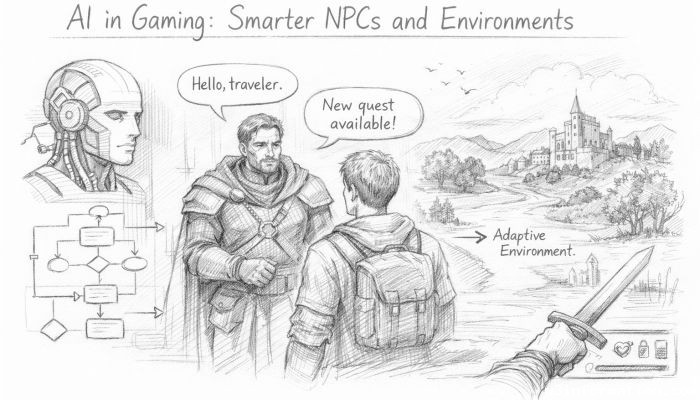 AI in Gaming: Smarter NPCs and Environments
 Understanding Bias in AI Algorithms
 Introduction to Chatbots and Conversational AI
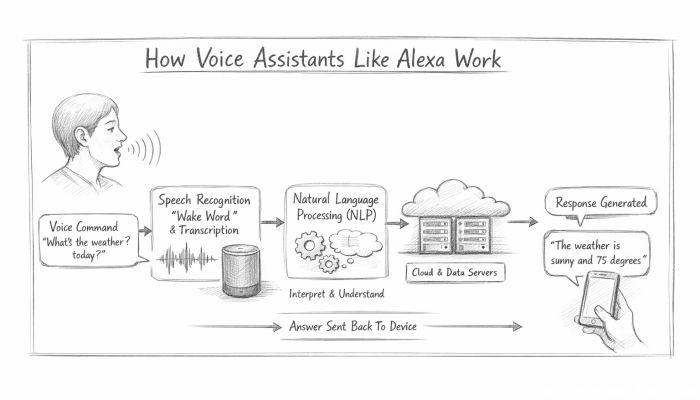 How Voice Assistants Like Alexa Work
 Federated Learning: AI Without Sharing Data