How to Research New Tokens
The cryptocurrency market is one of the most rapidly evolving landscapes today. New tokens are launched daily, each claiming to offer groundbreaking utility, community empowerment, or technological innovation. While some projects indeed push the boundaries of blockchain technology, others fall short, driven more by hype than substance. For investors and enthusiasts looking to make informed and strategic decisions, it’s essential to develop a robust methodology for researching these new tokens. Unlike traditional markets, the crypto ecosystem operates on a decentralized and largely unregulated framework, underscoring the importance of self-reliant, thorough research. This guide aims to provide you with a structured approach to evaluating new tokens—covering everything from dissecting whitepapers and analyzing tokenomics to scrutinizing developer activity and gauging community sentiment. By equipping yourself with these research skills, you can sift through the noise to identify projects with genuine potential and steer clear of those built on empty promises and volatility.
- Understanding the Purpose of Token Research
- Reading and Analyzing the Whitepaper
- Evaluating the Team Behind the Token
- Understanding Tokenomics and Supply Structure
- Assessing the Technology and Blockchain Infrastructure
- Investigating Partnerships and Backers
- Evaluating Market Demand and Use Cases
- Analyzing the Community and Social Sentiment
- Reviewing the Roadmap and Development Progress
- Evaluating Security Measures and Audits
- Monitoring Market Data and Trading Activity
- Identifying Red Flags and Avoiding Scams
- Staying Updated and Adapting to Market Changes
- Using Analytical Tools and On-Chain Metrics
- Building a Personal Research Framework
- Conclusion
- More Related Topics
Understanding the Purpose of Token Research
Before delving into the specifics of token research, it’s crucial to understand why it matters. The crypto space is rife with a wide array of projects—some are genuinely innovative, while others are outright scams. The primary purpose of researching new tokens is to separate the wheat from the chaff. It’s not merely about spotting the next token to “moon” (surge in price), but about gaining a comprehensive understanding of the project’s fundamentals. This includes its purpose, problem-solving potential, and long-term sustainability. Effective research empowers investors to make rational, data-driven decisions, minimizing emotional biases and market speculation. It also helps in identifying patterns of credibility, assessing risk, and building a foundation for long-term financial resilience in an inherently volatile market.

Reading and Analyzing the Whitepaper
A project’s whitepaper is akin to its architectural blueprint. It should lay out the token’s purpose, underlying technology, intended use case, and roadmap with clarity and transparency. When you’re analyzing a whitepaper, the first thing to look for is a clear definition of the problem the token aims to solve. Is the solution proposed both viable and innovative? Assess the project’s goals—are they realistic and measurable? Be cautious of documents laden with technical jargon that obscure a lack of substance or, conversely, those making grandiose promises that seem too good to be true. Check for detailed information on token distribution, governance mechanisms, and the token’s intended role within its ecosystem. A well-crafted whitepaper is a strong indicator of professionalism and the team’s grasp of their market and technology. If the whitepaper is vague, plagiarized, or appears generic, it’s a red flag signaling potential issues.
Evaluating the Team Behind the Token
A capable and credible team is the backbone of any successful token. Investigate the backgrounds of the founders, developers, advisors, and partners involved. Scrutinize their LinkedIn profiles, previous ventures, and any public records of their involvement in the crypto industry. A team with a proven track record of success—or, at the very least, experience in blockchain technology, finance, or entrepreneurship—adds legitimacy to the project. If the team members’ identities are anonymous or cannot be verified, approach the project with heightened skepticism. Transparency is key to building trust in the crypto world. Projects that obscure their leadership or offer no information about their developers and team are often doing so for a reason. Remember, credibility is a form of currency in crypto; an open and communicative team is a positive sign of the project’s authenticity.
Understanding Tokenomics and Supply Structure
Tokenomics, short for token economics, refers to how a token is structured to function within its ecosystem. This includes its total supply, circulating supply, and inflation schedule. For instance, a limited total supply can create scarcity, potentially driving up value, whereas excessive token minting can lead to devaluation. Examine how tokens are distributed among investors, developers, and the community. If a significant portion of the tokens is reserved for the team or venture capitalists, it may create selling pressure and drive down the price later on. Evaluate the token’s utility—what is the token used for? Is it for governance, staking, transaction fees, incentives, or all of the above? Balanced tokenomics create a sustainable ecosystem that incentivizes participation and long-term holding over short-term speculation.
Assessing the Technology and Blockchain Infrastructure
Every token operates on some form of technology, whether it’s built on an existing blockchain like Ethereum or on a proprietary chain. Evaluate the underlying technology for scalability, security, and innovation. Ask yourself if the project solves a real technical problem or if it’s merely repackaging existing solutions. Review the project’s GitHub repository for signs of active development. Frequent, transparent updates on the GitHub page are a good sign of an active and committed development team. If the code is open-source, look for peer reviews or any third-party security audits. Projects that have undergone such audits by reputable firms have an additional layer of trust and security. Understanding the technical foundation can help distinguish between genuinely innovative platforms and those relying on buzzwords and marketing hype.
Investigating Partnerships and Backers
Legitimate partnerships with known brands, established blockchain platforms, or institutional investors can significantly enhance a token’s credibility. Research the project to see if it has such collaborations. Verify these partnerships through multiple sources—unsubstantiated name-dropping is a common tactic in the crypto world to lend false credibility. Genuine collaborations are typically documented through official press releases or announcements from both parties involved. In addition to partnerships, assess the project’s backers or venture capital investors. Support from well-known blockchain-focused investment firms or reputable individuals typically means the project has undergone rigorous due diligence before receiving funding, which is another good sign. Authentic partnerships demonstrate both market confidence and strategic vision.
Evaluating Market Demand and Use Cases
The long-term success of a token is closely tied to its utility and the demand for it. Consider the problem the token is solving and whether it has a clear use case. If a project is built on speculative hype without a real-world application, it’s unlikely to hold value in the long run. Evaluate whether the token offers something new and valuable, such as faster transactions, lower fees, improved privacy, or innovative decentralized applications (dApps). Also, consider the token’s potential for adoption: Are there businesses or communities that are already using or integrating the token into their operations? Does the token address a genuine gap in the current blockchain landscape? A strong use case ensures long-term relevance, while demand from users—not just traders—creates real-world value and resilience.
Analyzing the Community and Social Sentiment
In the crypto world, a strong, engaged community can be just as important as the technology itself. A vibrant community often signals healthy interest and grassroots support for a token. Examine community forums, Telegram groups, Discord servers, Reddit threads, and Twitter activity to gauge the quality and volume of conversation around the token. Is the discussion authentic, or do bots and empty hype dominate? Look for consistent, informative engagement from both the development team and the users. Sentiment analysis, which involves tracking public emotion through social media and discussion boards, can also provide valuable insights into community trust and expectations. Be wary of communities that are overly promotional or exhibit signs of paid promotions, as genuine communities focus on education, collaboration, and transparency rather than cycles of hype.
Reviewing the Roadmap and Development Progress
A well-defined, realistic roadmap is a good indicator of the project’s strategic vision and commitment to long-term growth. Review the project’s roadmap and compare it with their progress on past milestones. Are the team’s goals ambitious yet achievable, and are they consistently meeting deadlines? Projects that have a history of delivering on their promises tend to build greater investor confidence. Check for key development stages such as mainnet launches, integrations with other platforms, or major feature releases. Also, take note of how frequently the team communicates progress through blogs, AMAs (Ask Me Anything sessions), or community updates. A transparent and accountable roadmap can help you gauge whether the team is focused on execution or merely marketing an idea without a follow-through plan.
Evaluating Security Measures and Audits
Security is of paramount importance in the crypto space, where hacks and vulnerabilities can lead to significant financial losses. Investigate whether the project has undergone security audits by reputable third-party firms such as CertiK, Trail of Bits, or Quantstamp. Review these audit reports to ensure that any identified vulnerabilities have been addressed. Examine how the project handles user funds, smart contracts, and data protection. Tokens that feature decentralized governance mechanisms should also have strong safeguards against potential exploits or manipulation. Additionally, check if the project has a bug bounty program, which encourages ethical hackers to identify and report potential security issues. Prioritizing security demonstrates the project’s professionalism and commitment to long-term sustainability.
Monitoring Market Data and Trading Activity
Quantitative data can offer significant insights into a token’s current health and investor sentiment. Tools like CoinMarketCap, CoinGecko, or more advanced platforms like Token Terminal can help you assess various metrics, including market capitalization, trading volume, liquidity, and price history. A high trading volume typically indicates strong investor interest and liquidity, while erratic price movements or low liquidity might suggest potential manipulation or instability. Examine the exchanges where the token is listed—reputable exchanges usually conduct their own due diligence before listing a new token. Additionally, analyze the distribution of tokens across wallets. If a small number of wallets hold the majority of the supply, it increases the project’s centralization risk. Data-driven analysis can complement your qualitative research by providing a solid foundation of measurable performance.
Identifying Red Flags and Avoiding Scams
The crypto world is not without its share of bad actors, and it’s essential to know how to spot them. To protect yourself, it’s important to recognize red flags early on. Be wary of projects that guarantee returns, use vague or grandiose promises, or engage in aggressive marketing that emphasizes hype over substance. Anonymous teams, plagiarized whitepapers, unclear tokenomics, and a lack of transparency are all warning signs. Be cautious of potential pump-and-dump schemes, where insiders artificially inflate a token’s price before selling off their holdings to unsuspecting investors. Always double-check smart contract addresses before making transactions and rely on official project channels for updates. If a project is resistant to questions or airtight transparency, it’s best to walk away. As a golden rule, if something sounds too good to be true, it probably is. In crypto investing, skepticism and due diligence are your best defenses.
Staying Updated and Adapting to Market Changes
Crypto research is not a one-time activity; it’s an ongoing process. The crypto market is dynamic, with even promising tokens capable of changing direction or facing unforeseen challenges. Stay updated through reliable news sources such as CoinDesk, The Block, and blockchain-specific newsletters. Participate in community discussions and follow development updates on platforms like GitHub or Medium. Set up alerts for major announcements, and keep an eye on regulatory changes that could impact the market. The ability to adapt—adjusting your portfolio and expectations in response to new information—is crucial for long-term success. Continuous learning ensures that your investment decisions remain informed and forward-looking.
Using Analytical Tools and On-Chain Metrics
Leveraging analytical tools can significantly enhance the depth and accuracy of your research. Platforms such as Glassnode, Nansen, and Santiment offer on-chain analytics, which provide data directly from blockchain transactions. These metrics can reveal user behavior patterns, including wallet activity, transaction patterns, and network growth. For instance, an increase in active addresses might indicate growing adoption, while stagnant numbers could suggest a lack of user interest. You can also track whale movements to predict potential market shifts. By combining on-chain data with your qualitative research, you gain a holistic view of a token’s health. Advanced analytics tools help transform research from speculative guessing to a data-backed strategy.
Building a Personal Research Framework
Developing a personal research checklist can streamline the process of evaluating new tokens. Categorize your checklist into sections such as Fundamentals (whitepaper, team, tokenomics), Technical (technology, audits, GitHub activity), Market (trading data, liquidity, sentiment), and Governance (roadmap, partnerships, community). Assign weights or scores to each category to maintain objectivity in your evaluations. This framework not only saves time but also helps prevent emotional decision-making. By treating each token as a case study, you develop analytical rigor and a long-term perspective. Over time, as you refine your framework based on experience, you’ll get better at identifying red flags quickly and recognizing genuinely promising opportunities.
Conclusion
Researching new tokens is an art and a science, a combination of critical thinking, technical acumen, and emotional intelligence. In a market characterized by volatility and constant innovation, due diligence is your most potent weapon. By systematically analyzing whitepapers, assessing teams, understanding tokenomics, and utilizing data analytics, you can confidently navigate the crypto landscape. The objective is not just to find the next big winner but to cultivate a disciplined, informed approach that minimizes risk and maximizes opportunity. The more you refine your research methods, the sharper your instincts will become. In the realm of crypto investing, knowledge isn’t just power—it’s protection, prosperity, and the bedrock of sustainable success.
 Big O Notation Explained for Beginners
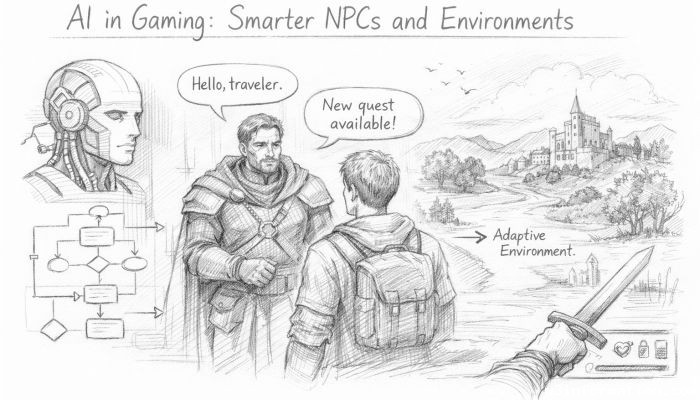 AI in Gaming: Smarter NPCs and Environments
 Understanding Bias in AI Algorithms
 Introduction to Chatbots and Conversational AI
 How Voice Assistants Like Alexa Work
 Federated Learning: AI Without Sharing Data