How to Read On-Chain Data
Blockchain is often described as an unchangeable and public ledger, designed with an emphasis on complete transparency and availability. Data stored within blockchains is often referred to as on-chain data and includes information on transactions, network states, smart contracts, accounts, and more. On-chain data represents one of the key ways in which investors, developers, researchers and other interested parties explore, interact with and understand the mechanics of the crypto markets. This guide will provide a comprehensive introduction to on-chain data. From basic concepts and components to advanced tools and use cases, this article will help readers to become confident in how to read on-chain data, to make smart decisions, deepen their on-chain activity, and reveal valuable insights which may be hidden behind raw data from the blockchain.
- What Is On-Chain Data?
- Why Does On-Chain Data Matter?
- Components of On-Chain Data
- Tools for Accessing On-Chain Data
- Reading Transaction Data
- Wallets and Types of Addresses
- Reading Smart Contract Data
- Gas Fees and Network Congestion
- On-Chain Metrics and Indicators
- On-Chain Example: DeFi Analysis
- Challenges with Reading On-Chain Data
- On-Chain Data Analysis Trends
- Conclusion
- More Related Topics
What Is On-Chain Data?
On-chain data consists of all the data stored within a blockchain. The most common types of on-chain data are blocks, transactions, wallets, smart contract activity and much more. As mentioned earlier, the key characteristic of on-chain data is that it is publically available and immutable. Transactions, balances and other data that can be read from the blockchain can also be used by anyone with a node or blockchain explorer to monitor network activity.

Why Does On-Chain Data Matter?
On-chain data is the fundamental source of transparency in the blockchain. Since anyone can use the data for their own independent verification of network activity, transactions and other information, users don’t need to trust third parties to provide them with this information. On-chain data can be used by traders to spot signals and market trends, by developers to track smart contracts, by users to monitor wallets, and by regulators to track illicit activities. This is why on-chain data has become such an important component of trustless systems, DeFi and Web3 in general.
Components of On-Chain Data
The fundamental building blocks of any blockchain are blocks, transactions, wallets, and smart contracts. Blocks group together a batch of transactions which become immutable in the sequence of the chain. Each transaction specifies the address of the sender and receiver, the amount transferred, gas fees and more. Wallets are network addresses that contain various cryptocurrencies. Smart contracts are user-defined programs which automate the behavior of tokens and users on the network. On-chain data can also include more detailed information, such as blocks (height, timestamp, hash and more), smart contract events and state changes.
Tools for Accessing On-Chain Data
Reading on-chain data requires special access tools, since the raw data is stored within the nodes. Blockchain explorers such as Etherscan for Ethereum, Blockchain.com for Bitcoin or Solscan for Solana offer user-friendly access to search transactions, blocks and addresses. There are also specialized tools for on-chain data analytics for various blockchains, such as Glassnode, Nansen, and Dune Analytics. These platforms offer custom dashboards and analytics with on-chain data for each blockchain. Developers can also use APIs or run their own nodes to access and query raw blockchain data.
Reading Transaction Data
Transactions are the primary type of on-chain data and each transaction includes the data on sender and receiver addresses, amount, transaction fee, timestamp and transaction hash. Observing transaction counts, sizes, and volume can help users assess network activity and liquidity. Outgoing or incoming large transactions can be especially important as they may indicate significant market events, referred to as “whale movements”.
Wallets and Types of Addresses
Every blockchain user controls one or more wallet addresses. Different types of addresses may represent different types of users, such as exchange wallets, individual wallets, smart contracts, DEX liquidity pools, etc. Correctly identifying types of addresses is important for analyzing on-chain data and common tools include Nansen, which provide “tags” for each wallet to help differentiate types of wallets and infer where tokens are being sent, such as long-term holders, whales, exchanges or other institutions.
Reading Smart Contract Data
Smart contracts are programs which operate with data on the blockchain and implement specific rules of behavior for tokens and network users. Reading smart contract data includes observation of specific function calls, smart contract state changes and events. For example, in DeFi, users may look at smart contract interactions to reveal which wallets supply liquidity, which wallets deposit assets or take out loans.
Gas Fees and Network Congestion
Gas fees are user fees that are paid in exchange for transaction execution and they are especially important for Ethereum. These fees are directly correlated with network demand, as increased transaction volume and activity require users to outbid others to get their transactions included in a block, leading to higher fees. Monitoring gas fees helps users find the most optimal times to transact on the network and gives them insight into network scalability issues. Monitoring gas fees can also help users understand popular types of smart contract calls.
On-Chain Metrics and Indicators
In addition to raw on-chain data, there are also more high-level on-chain metrics which are indicators that have been aggregated to represent certain signals about the blockchain. This can include metrics such as number of active addresses, number of transactions, token velocity, and various other metrics that can be used to understand different aspects of the network, like the number of holders, their distribution, how much they hold, network activity and token flow. Common on-chain indices include the Bitcoin NVT (Network Value to Transactions) ratio.
On-Chain Example: DeFi Analysis
One of the primary use cases of transparent on-chain data is decentralized finance, where investors often analyze DeFi using on-chain data. DeFi users may look at DeFi liquidity pool statistics and distribution, yield farming APYs, or loan metrics by reading smart contract activity and interactions between token addresses and smart contracts. Tracking on-chain activity, such as the total value locked (TVL) in various DeFi protocols, may indicate growth of DeFi. Alerts about large withdrawals can help DeFi users spot potential liquidity crises or market signals.
Challenges with Reading On-Chain Data
Although blockchain data is transparent, there are also some important challenges associated with reading on-chain data. First, there are issues with the anonymity of addresses which makes it difficult to identify the true owners and their intent. Privacy solutions and mixing can also obfuscate the analysis. There are also issues with data overload and the requirement for technical knowledge which means many users need special tools to help them filter the noise from the signal.
On-Chain Data Analysis Trends
On-chain data is being increasingly used and analyzed as the blockchain industry becomes more advanced. Some projects are using machine learning algorithms to attempt to predict market movements based on on-chain data transaction patterns. There are also attempts to use cross-chain analytics to combine data from multiple blockchains for additional value. As tools are developed, the use of data visualization and user-friendly platforms are making on-chain data literacy more accessible for non-technical users.
Conclusion
Reading on-chain data is a very important skill for anyone that wants to engage with the crypto markets and Web3 ecosystem with greater nuance and foresight. By familiarizing themselves with the various components of on-chain data, using the right tools to access it, and understanding how to properly interpret signals such as transactions, smart contract activity, and network fees, users can effectively “read between the lines” of the blockchain to reveal a completely transparent narrative of what is happening with digital assets and decentralized applications. Although there are some challenges with the effective use of on-chain data, the analysis of such data is becoming much easier with continued advances in analytics platforms. In the end, users who can read and understand on-chain data can make better decisions, anticipate market movements and activity, and engage more deeply with an ecosystem where transparency is its defining feature.
 Big O Notation Explained for Beginners
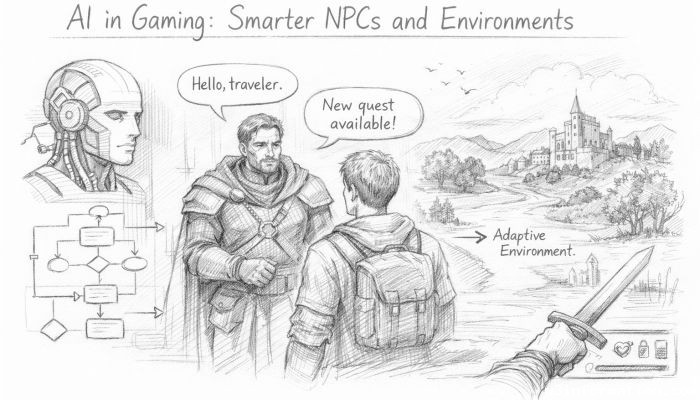 AI in Gaming: Smarter NPCs and Environments
 Understanding Bias in AI Algorithms
 Introduction to Chatbots and Conversational AI
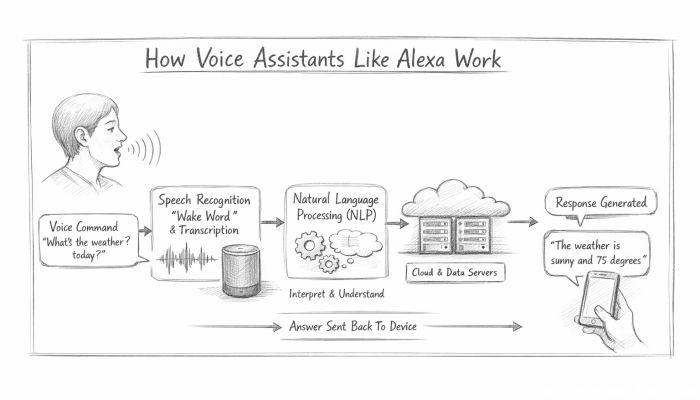 How Voice Assistants Like Alexa Work
 Federated Learning: AI Without Sharing Data