How to Protect Business Assets Legally
Protecting the fruits of your labor and business is just as important as building it in the first place. In a world where economic and legal landscapes are more volatile than ever, the potential risks to your assets are more widespread and less predictable. From lawsuits to creditors, from intellectual property theft to cyberattacks, your business can be exposed to attacks from all sides. Asset protection is about much more than keeping your possessions safe—modern business requires that financial, digital, intellectual and physical properties are all legally secured against loss. Whether by court judgments, debt collections, or fraud, without the right legal structure in place, your company is vulnerable to losing everything to external forces. With sound planning and a strong understanding of the legal principles, though, business owners can enjoy the peace of mind of truly knowing that their wealth and long-term assets will be protected. In this comprehensive guide, we’ll look at some of the best strategies for legally protecting your business assets from risk, covering business structure, contracts, insurance, and compliance strategies to ensure your financial well-being and long-term success.
- The Basics of Asset Protection in Business
- Choosing the Right Business Structure
- Separating Personal and Business Finances
- Contracts and Legal Agreements
- Intellectual Property Protection
- Insurance as Asset Protection
- Real Estate and Equipment
- Managing Debt and Credit Risk
- Corporate Governance and Compliance
- Data Protection and Cybersecurity
- Succession Planning and Estate Shielding
- Professional Legal and Financial Advice
- Conclusion
- More Related Topics
The Basics of Asset Protection in Business
Asset protection is an essential aspect of financial and operational management. It refers to the strategies and legal measures taken to safeguard your business and personal assets from potential creditors, lawsuits, or other liabilities. Whether you’re a sole proprietor or the CEO of a multinational corporation, the risks of legal judgments, creditor claims, and accidents remain the same. However, with early and proactive planning, you can structure your operations legally to minimize your exposure. Asset protection not only ensures business continuity but also builds investor confidence by showing that the company is responsibly managed. Ultimately, asset protection strategies are about creating a secure environment where your business can operate without the constant threat of losing its core financial strength.

Choosing the Right Business Structure
The first and most critical step in asset protection is choosing the appropriate legal structure for your business. This decision dictates how your business is viewed in the eyes of the law and what personal assets you are required to expose. Sole proprietorships and partnerships often expose personal assets to business liabilities because the business and the owner are legally the same entity. Forming a limited liability company (LLC) or a corporation, however, creates a legal separation between you and your business, so if the business is sued or incurs a debt, your personal assets are protected.
An LLC is a popular choice among small and medium enterprises because it offers flexibility, tax advantages, and liability protection. Corporations, especially C-corporations and S-corporations, provide even greater protection and are more straightforward to raise capital. Consult with a legal or tax advisor to decide which structure aligns best with your business model and growth objectives.
Separating Personal and Business Finances
After choosing your business entity, the next critical step is maintaining a strict separation between your personal and business finances. Many entrepreneurs inadvertently expose themselves to personal liability by intermingling funds. Using a personal credit card for business expenses or depositing business income into a personal account are common mistakes that can blur the lines legally.
Open separate business bank accounts, credit cards, and accounting systems exclusively for business use. Maintain meticulous records of all transactions, including payroll and distributions. This separation not only reinforces your business’s legitimacy in the eyes of the law but also makes tax filing and audits more straightforward. Failure to maintain this separation can lead to a legal concept known as “piercing the corporate veil,” where you can be held personally liable for business debts or legal judgments.
Contracts and Legal Agreements
Contracts are the bedrock of legal asset protection. Every business transaction, partnership, and employment agreement should be formalized with a written contract that clearly outlines the rights, obligations, and liability limitations of all parties involved. Key contracts include vendor agreements, non-disclosure agreements (NDAs), employment contracts, and service agreements with indemnity clauses.
Well-drafted contracts not only help prevent disputes by setting clear expectations but also provide legal recourse if conflicts arise. Include limitation of liability clauses in your contracts where possible to cap the damages one party can claim against the other. Have all contracts reviewed by a qualified attorney to ensure they are legally binding and comply with local laws.
Intellectual Property Protection
In the digital age, intellectual property (IP) can be one of your most valuable business assets. Trademarks, patents, copyrights, and trade secrets should all be legally protected to prevent competitors or criminals from copying or profiting from your ideas.
Trademarks protect brand names, logos, and slogans. Patents cover inventions or unique business processes. Copyrights apply to original works such as software, marketing materials, and product designs. Register your IP with the appropriate government agencies and keep track of renewal dates for licenses.
You should also have internal policies to ensure that employees and contractors adhere to confidentiality agreements and do not leak sensitive information. IP theft can lead to lost revenue and a weakened market position, so treat it as an integral part of your asset protection strategy.
Insurance as Asset Protection
Insurance is one of the most straightforward and effective ways to protect your business assets from unforeseen events. It acts as a financial safety net, transferring the risk of loss or litigation to the insurer in exchange for a premium. There are several types of insurance policies that serve as critical components of an asset protection strategy:
General Liability Insurance: This is a must-have for any business, covering bodily injury, property damage, and some forms of litigation. Professional Liability Insurance: Also known as Errors and Omissions Insurance, this covers claims of negligence or professional errors that could lead to financial loss for your clients. Property Insurance: Protects your physical assets like equipment, inventory, and premises. Cyber Liability Insurance: Covers data breaches and cyberattacks, which are increasingly common and can be very costly. Review your insurance policies annually to ensure you have adequate coverage as your business grows and risks evolve. Work with a commercial insurance broker to tailor your coverage to your specific industry needs. While insurance does not replace the need for sound business practices, it is a vital part of a comprehensive risk management strategy.
Real Estate and Equipment
If your business owns real estate or high-value equipment, these assets should be legally protected from lawsuits or creditor claims. One method is to hold these assets in a separate entity, such as a holding company or a different LLC.
For example, a restaurant business might own its building in one LLC and operate the restaurant business in another. This way, if the operating business faces a lawsuit, the real estate is legally protected. You can also lease high-value equipment to your business from a separate entity. Make sure all leases are documented with written agreements at fair market value to meet legal and tax requirements.
This layered approach to asset ownership can help limit your exposure and protect valuable property from risks inherent in daily business operations.
Managing Debt and Credit Risk
Debt can be a double-edged sword for businesses; while it can fuel growth, excessive or poorly managed debt can endanger your business assets. Credit exposure should be managed carefully, with a focus on negotiating favorable loan terms and avoiding personal guarantees that tie your personal assets to your business liabilities.
If lenders insist on personal guarantees, negotiate to limit them to specific assets or a fixed period. Also, practice sound credit management by paying your vendors on time, responsibly managing lines of credit, and building a good relationship with your bank or financial institutions. A strong credit shield through prudent fiscal management can go a long way in protecting your assets from being forcibly liquidated in financial distress.
Corporate Governance and Compliance
Good corporate governance is fundamental to asset protection. It refers to the systems and processes in place that ensure your business operates transparently, accountably, and in compliance with all applicable laws and regulations. Implementing sound governance practices can help prevent legal risks that could expose your assets to liability.
Establish clear bylaws or operating agreements, keep accurate meeting minutes, and document significant business decisions, especially those involving financial transactions, contracts, or changes in the business structure. Good corporate governance also involves internal controls such as approval hierarchies for expenses, regular financial audits, and inventory checks. These controls not only help prevent fraud and mismanagement but also protect your assets by ensuring that all transactions are authorized and legitimate. A disciplined approach to governance will not only help protect your assets but also build trust with investors, regulators, and business partners.
Data Protection and Cybersecurity
In the information age, data is one of the most valuable and vulnerable assets for any business. Customer information, proprietary algorithms, financial records, and digital property need to be legally protected against cyber threats. Implementing cybersecurity measures is not just a technical necessity but also a legal one, especially with the increasing global emphasis on data protection laws.
Cybersecurity measures such as encryption, firewalls, and multi-factor authentication should be in place to protect sensitive data. Employees should be trained to recognize and respond to cyber threats like phishing attempts. Ensure compliance with global data protection regulations such as the GDPR or CCPA, as applicable, to avoid legal penalties. A data breach can be financially damaging and tarnish your company’s reputation, so include data protection in your risk management and asset protection strategy. Consider having cyber liability insurance as part of your overall insurance portfolio.
Succession Planning and Estate Shielding
Succession planning is the process of identifying and developing new leaders who can replace old leaders when they leave, retire, or die. Without a proper succession plan, your business assets may be at risk during a change in leadership. Draft a business succession plan that outlines the process for leadership and ownership transition and use buy-sell agreements to set the terms for ownership transfers among business partners.
You might also consider setting up trusts or family holding companies to preserve wealth and minimize estate taxes. Consult with legal and financial advisors to ensure your succession plan is legally sound and aligns with both business and personal estate laws. Succession planning is not only for large corporations—it is crucial for any business owner who wants to ensure their business survives beyond their involvement.
Professional Legal and Financial Advice
Legal asset protection is a complex field, and it is often best navigated with the help of professionals. Building relationships with business attorneys, tax advisors, and financial planners can provide you with expert guidance tailored to your unique business needs. These professionals can help draft airtight contracts, form the right business entities, dispute resolution, and advise on the latest in asset protection strategies and compliance.
Schedule regular check-ins with your advisors to review and update your asset protection plan. This is important to keep it aligned with any changes in your business structure, operations, or changes in the law. Professional advisors can also help you stay ahead of legal developments and proactively adjust your strategies. Partnering with the right legal and financial experts can greatly enhance your asset protection measures and provide peace of mind that your business is legally safeguarded.
Conclusion
Legally protecting your business assets is an ongoing process that requires diligence, planning, and smart management practices. From the initial steps of choosing the right business structure and keeping accurate records to more advanced strategies like IP protection and succession planning, each measure you take builds a stronger defense for your wealth and long-term assets. Remember that a business that prioritizes asset protection is not just securing its current wealth; it is also ensuring stability, credibility, and the potential for future growth.
Your ultimate goal should be to create a business that can weather any storm—legal, financial, or operational—without risking its very foundations. By adopting a comprehensive legal asset protection strategy and engaging with professional advisors, you create a business that is not just successful but resilient. Asset protection is more than just risk management; it’s a critical component of sustainable business success and financial freedom in today’s ever-changing marketplace.
 Big O Notation Explained for Beginners
 AI in Gaming: Smarter NPCs and Environments
 Understanding Bias in AI Algorithms
 Introduction to Chatbots and Conversational AI
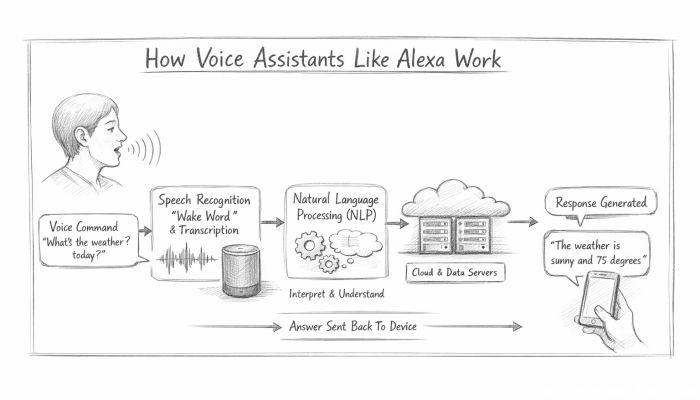 How Voice Assistants Like Alexa Work
 Federated Learning: AI Without Sharing Data