How to Build Generational Wealth
How to build generational wealth is a question on the mind of many people, and for good reason. Having a solid financial foundation can help provide security and opportunity for your children, grandchildren, and even generations beyond that. In today’s rapidly changing world, economic uncertainty, high cost of living, and volatile stock market can make it seem impossible to get ahead and even more difficult to stay there. This article aims to guide you through practical tips and fundamental principles for developing true intergenerational wealth that will last for generations to come. Whether you’re just starting your financial journey or looking to cement your family legacy, this blog post will provide valuable tools and resources to take your wealth-building from dream to reality.
- Understanding Generational Wealth
- The Importance of Financial Education
- Establishing a Strong Financial Foundation
- Investing Wisely for the Long Term
- Real Estate: A Tangible Asset for Generations
- Entrepreneurship and Building Business Equity
- Estate Planning and the Power of Trusts
- Teaching Values and Mindset Around Money
- Diversifying Income Sources
- Leveraging Tax Advantages Legally
- The Role of Philanthropy in Legacy Building
- Preparing Future Generations for Wealth Stewardship
- Conclusion
- More Related Topics
Understanding Generational Wealth
Generational wealth means assets that can be passed on from one generation to the next, providing financial stability and opportunities for future family members. In other words, it’s a way to build wealth that lasts beyond your lifetime. Generational wealth can include not only financial resources like cash or investments but also tangible assets such as real estate and even intangible ones like education, knowledge and values. The primary difference between generational and individual wealth is the focus on long-term sustainability.

The Importance of Financial Education
Financial education is crucial for building and maintaining generational wealth. Without a clear understanding of how money works – from budgeting to investing and saving to managing debt – it is easy for wealth to slip through the cracks. Families that take the time to teach their children about finances give them the confidence and skills necessary to not only manage their money but also continue to grow their wealth in smart ways. A strong financial education provides a rock-solid foundation for building generational wealth.
Establishing a Strong Financial Foundation
It is important to lay a strong financial foundation before trying to build generational wealth. This means paying off high-interest debt such as credit card balances or personal loans, building an emergency fund in case of unexpected expenses, and maintaining a good credit score which opens up more favorable lending terms in the future. Once families get their financial house in order, they can turn their attention to growing their wealth knowing they have a stable base on which to work from.
Investing Wisely for the Long Term
Investing is one of the most effective ways of creating wealth but requires discipline and patience over short-term trading or speculation. Investments in stocks, bonds, mutual funds, and real estate will all benefit from a long-term view focusing on compound interest growth and market appreciation. Starting early and contributing regularly to a diversified portfolio will yield significant returns over time so families can focus on building a truly generational asset base that will last for years to come.
Real Estate: A Tangible Asset for Generations
Real estate is often a favorite tool when it comes to building generational wealth. Owning property is not only a tangible asset that can appreciate over time but also offers potential rental income streams or opportunities for businesses or other ventures that can increase value while also providing ongoing sources of cash flow for future generations. Of course, it is important to do due diligence when investing in real estate including location research, market trends, and management considerations. Done right, real estate investing can create an incredible family asset that also supports your home and legacy.
Entrepreneurship and Building Business Equity
Family businesses can be another source of generational wealth if started with an eye towards longevity rather than a quick return. From mom and pop shops to large enterprises, businesses often provide income for multiple generations beyond just being an asset on paper. Passing along ownership and management responsibilities while instilling a sense of entrepreneurship through early education and mentorship can help ensure success and avoid some of the common pitfalls that often dissolve family fortunes at the transition point.
Estate Planning and the Power of Trusts
Estate planning is essential if you want any of your wealth to last beyond your own lifetime. Wills, trusts, and other legal instruments can be used in combination with one another in order to ensure that your assets pass according to your wishes while minimizing tax liabilities along the way. Trusts, in particular, offer families an ability to control when and how heirs receive their inheritance and often protect assets from creditors or mismanagement by beneficiaries themselves. The sooner you consult an estate planning professional to work with you on finding a strategy that works best for your situation, the better off you’ll be in terms of building wealth that lasts for generations.
Teaching Values and Mindset Around Money
Financial literacy and knowledge are important, but building generational wealth also requires instilling a healthy values around money and its purpose in our lives. Teaching respect for wealth, hard work, generosity and avoiding entitlement are all important elements of instilling good stewardship rather than squandering of resources that may take generations to accumulate. Families that communicate openly about money and their financial plans help younger generations appreciate what it takes to create and maintain wealth and encourages them to play their part in preserving this legacy.
Diversifying Income Sources
It’s all well and good to focus on one main career or business that will provide income for your family, but diversifying revenue streams creates more financial security overall which can then fuel reinvestment back into generational wealth-building activities. Whether this means investment dividends, rental properties, side gigs, or royalties – having multiple ways of bringing in money makes day-to-day living easier even in uncertain times while also providing opportunities to keep growing family assets over time through reinvestment. Encouraging entrepreneurial spirit and smart investments for all generations helps families weather storms as they continue to build their legacies together.
Leveraging Tax Advantages Legally
Taxes are often a wealth killer if not managed properly so understanding and utilizing tax-advantaged accounts like IRAs or 401(k)s as well as Health Savings Accounts (HSAs) or Education Savings Plans can make a huge difference in how much money stays invested each year. Additionally, certain strategies such as gifting within annual limits, charitable donations or proper estate structures help reduce tax burdens legally while preserving more of those precious resources for future generations of heirs to enjoy as well. Families that become savvy about tax planning will retain far more of their wealth long term in order to pass down.
The Role of Philanthropy in Legacy Building
While philanthropy is often left out of wealth-building conversations, giving back plays an important role in building a legacy that lasts more than just dollars and cents. Encouraging charitable giving and developing a sense of community responsibility in younger generations not only instills values beyond money but also reinforces family bonds when done through shared causes such as charitable foundations or donor-advised funds which can also offer significant tax advantages if used strategically in tandem with other efforts. Investing in others through philanthropy is one more way to leave an impact on the world around us while also enriching family wealth over generations.
Preparing Future Generations for Wealth Stewardship
Generational wealth ultimately requires capable stewards as well, which is why preparing future generations to manage their inheritance responsibly should be part of any long-term plan from day one. This includes education and mentorship opportunities while also getting younger generations involved with financial decision-making early so they can learn first-hand what responsible money management looks like in practice. Entrepreneurship, philanthropy and smart lifestyle choices will help prevent family fortunes from being eroded over time due to poor decisions made out of ignorance or entitlement rather than informed choice.
Conclusion
Building generational wealth is not something that can happen overnight, nor is it simply about the accumulation of assets. It requires a comprehensive, ongoing process involving education, investment strategy, sound legal planning, and cultural values passed down through generations. By understanding how generational wealth works, prioritizing financial literacy, diversifying sources of income, and preparing future generations to be responsible stewards of inherited resources, families can create lasting prosperity for years to come. The journey towards building a legacy takes time but offers an invaluable opportunity not only to enjoy financial freedom but also to empower future generations with the security and resilience they need to thrive in an ever-changing world. Generational wealth is the dream that becomes a reality when each generation works hard and builds on the foundation left by those who came before.
 Big O Notation Explained for Beginners
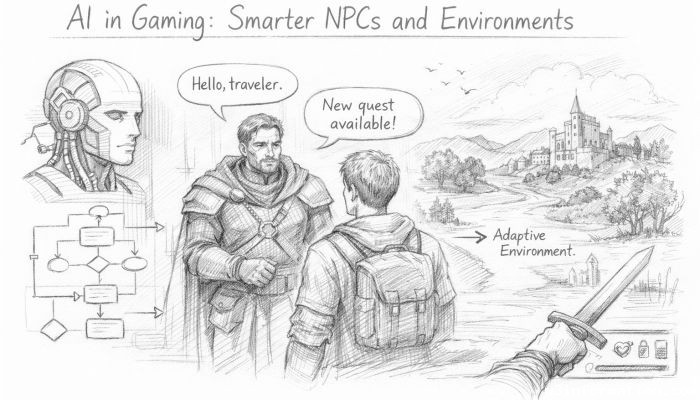 AI in Gaming: Smarter NPCs and Environments
 Understanding Bias in AI Algorithms
 Introduction to Chatbots and Conversational AI
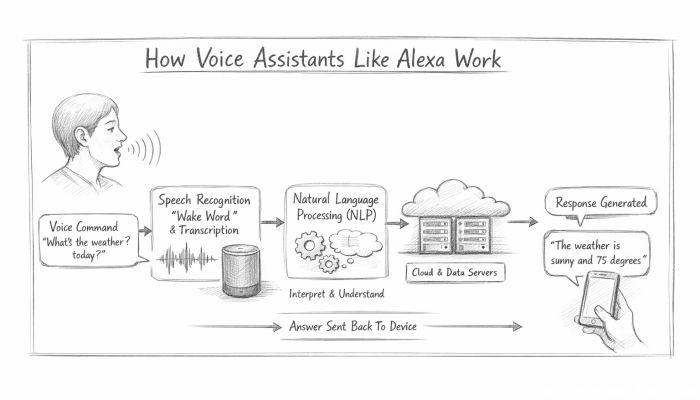 How Voice Assistants Like Alexa Work
 Federated Learning: AI Without Sharing Data