How to Make Your Own Healthy Granola Bars
Granola bars have become a beloved snack for many, offering a convenient and often nutritious option for busy lifestyles. However, many store-bought versions come laden with added sugars, artificial preservatives, and unhealthy fats, which can undermine their health benefits. Making your own healthy granola bars at home is a rewarding and empowering way to take full control of the ingredients, ensuring every bite is nourishing and delicious. This article will guide you through the essentials of crafting your own wholesome granola bars—from selecting nutrient-dense ingredients and understanding the role of sweeteners to mastering binding techniques and baking methods. Along the way, you’ll learn tips for customization, storage, and maintaining freshness, so you can enjoy a perfect homemade snack anytime. Whether you’re a seasoned cook or a beginner in the kitchen, this detailed guide will inspire you to whip up granola bars that boost energy and satisfy your cravings naturally.
- Understanding the Benefits of Homemade Granola Bars
- Choosing the Right Base Ingredients
- The Role of Sweeteners and How to Choose Healthy Options
- Binding Agents: Holding Everything Together
- Incorporating Flavors and Nutritional Boosters
- Perfecting Texture: Crunchy vs. Chewy Granola Bars
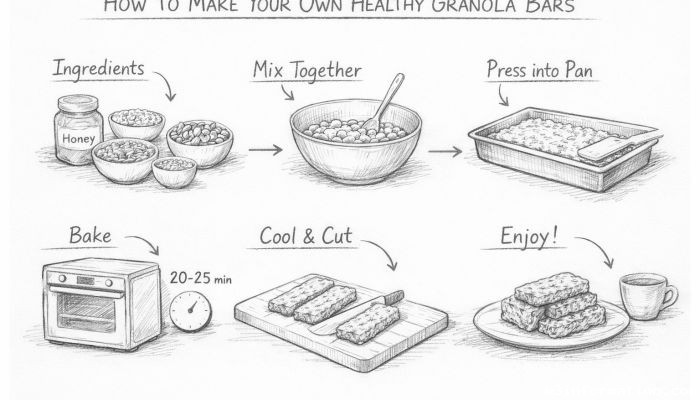
- Step-by-Step Recipe for Basic Healthy Granola Bars
- Exploring No-Bake Granola Bar Alternatives
- Customizing Granola Bars for Special Diets
- Best Practices for Storing Homemade Granola Bars
- Troubleshooting Common Granola Bar Problems
- Experimenting and Creating Your Signature Granola Bars
- Conclusion
- More Related Topics
Understanding the Benefits of Homemade Granola Bars
Making granola bars at home allows you to prioritize your health in ways store-bought options often lack. Homemade bars enable you to avoid excess sugars, artificial flavors, and preservatives that can compromise nutrition. Moreover, you can tailor the recipe to meet specific dietary needs such as gluten-free, vegan, or high-protein, ensuring the snack aligns with your personal health goals. Fresh ingredients equate to rich flavors and better textures, while controlling portions helps manage calorie intake effectively. Overall, homemade granola bars promote mindful eating by encouraging you to be aware of exactly what goes into your snacks, contributing to a balanced and wholesome diet.
Choosing the Right Base Ingredients
The foundation of any granola bar is the “dry mix,” typically composed of whole grains and nuts. Rolled oats are the most popular choice for their texture, fiber content, and ability to bind easily with wet ingredients. You can also experiment with alternatives like quinoa flakes, buckwheat, or puffed rice for added nutritional variety. Nuts such as almonds, walnuts, or pecans provide crunch and healthy fats, while seeds like chia, flaxseed, or pumpkin seeds boost omega-3s and antioxidants. These ingredients combine to create a nutrient-dense base that supports sustained energy release and satiety throughout the day.
The Role of Sweeteners and How to Choose Healthy Options
Sweeteners help bind the ingredients together and add a pleasant taste, but the type of sweetener you choose greatly impacts the healthiness of your granola bars. Natural sweeteners like honey, maple syrup, or agave nectar are preferred for their vitamins and minerals, as well as their lower degrees of processing. Dates and other dried fruits offer a fibrous natural sweetness while adding chewiness to the texture. When using sweeteners, moderation is key to maintaining health benefits without tipping into excessive sugar consumption. The goal is to strike a balance where your bars are flavorful but not overly sweet.
Binding Agents: Holding Everything Together
For granola bars to hold their shape and not crumble apart, a binding agent is essential. Common binders include nut butter (such as almond or peanut butter), mashed bananas, applesauce, or even a mixture of honey and oil. Nut butters add richness and healthy fats, improving both texture and taste. Fruit purees can reduce added sugars while increasing moisture. Some recipes also call for egg whites or flax "eggs" (ground flaxseed mixed with water) to help solidify the bars, especially if you are baking them. Selecting the right binder depends on the desired texture—chewy, crunchy, or soft—and dietary considerations.
Incorporating Flavors and Nutritional Boosters
To elevate your granola bars from basic to gourmet, flavoring is key. Spices like cinnamon, nutmeg, or ginger add warmth and subtle complexity without sugar. Vanilla extract introduces a smooth, sweet aroma that pairs well with most mixes. Add-ins such as shredded coconut, dark chocolate chips, or dried berries give bursts of flavor and texture, turning simple bars into satisfying gourmet snacks. Nutritional boosters like protein powder, hemp seeds, or spirulina powder can be introduced to enhance the bars’ nutrient profile, supporting increased protein intake or antioxidant levels.
Perfecting Texture: Crunchy vs. Chewy Granola Bars
Texture preferences vary, and crafting your own granola bars lets you choose between crunchy or chewy. For crunchy bars, bake the mixture at a low temperature to dry it out and create a crisp bite. Ensure less binder is used and push the mixture down firm during preparation to set a tighter structure. Chewy bars require more moist binders like nut butter or syrup, combined with elements like dried fruit or bananas, and usually less baking time or no baking at all. Experimenting with proportions and baking duration helps you strike the ideal balance.
Step-by-Step Recipe for Basic Healthy Granola Bars
Here is a straightforward recipe to get started:
Ingredients:
- 2 cups rolled oats
- 1/2 cup chopped nuts (almonds or walnuts)
- 1/4 cup seeds (pumpkin or chia)
- 1/2 cup nut butter (peanut or almond)
- 1/3 cup honey or maple syrup
- 1 tsp vanilla extract
- 1/2 cup dried fruit (raisins or cranberries)
Instructions:
1. Preheat oven to 325°F (160°C).
2. Mix oats, nuts, and seeds in a bowl.
3. In a separate microwave-safe bowl, warm nut butter and honey until runny. Stir in vanilla extract.
4. Pour the wet mixture over dry ingredients, stir thoroughly until every piece is coated.
5. Add dried fruit and combine.
6. Press mixture evenly into a lined baking pan, pressing firmly.
7. Bake for 20-25 minutes until golden and set.
8. Cool completely before cutting into bars.
This recipe offers a perfect starting point for customization.
Exploring No-Bake Granola Bar Alternatives
For those short on time or avoiding ovens, no-bake granola bars are equally nutritious and straightforward to prepare. The primary difference lies in how the ingredients set: refrigeration or freezing creates firm textures without heat. Typically, the process relies on nut butters, honey, and mashed bananas as binders, mixing with dry oats, seeds, and add-ins, then pressing firmly and chilling. This method preserves more nutrients that may diminish through baking and offers a softer, chewier finish. No-bake bars are perfect for quick prep and immediate storage.
Customizing Granola Bars for Special Diets
One of the greatest advantages of homemade bars is the ability to cater to special dietary requirements. Gluten-free oats are essential for those avoiding gluten, while nut-free options can replace nuts with seeds to accommodate allergies. Vegan bars skip honey using maple syrup or agave to maintain plant-based purity. High-protein versions emphasize protein powder, Greek yogurt powder, or more nuts and seeds, ideal for athletes or those increasing muscle mass. Tailored recipes empower you to meet your health needs comfortably and deliciously.
Best Practices for Storing Homemade Granola Bars
Proper storage preserves freshness, texture, and flavor over several days or even weeks. Store granola bars in airtight containers or tightly wrapped in parchment or wax paper to prevent moisture intrusion. Bars keep well at room temperature for about a week. For longer storage, refrigeration extends shelf life to two weeks, while freezing can last up to three months. When freezing, separate bars with wax paper layers to prevent sticking. Always bring frozen bars to room temperature before eating for optimal texture.
Troubleshooting Common Granola Bar Problems
Even the best recipes sometimes face challenges. If bars crumble excessively, chances are not enough binder or syrup was used, or the mixture was not pressed firmly before baking. Overly dry bars might result from overbaking or insufficient wet ingredients. Sticky granola bars may have too much syrup or honey—reducing these can help. If bars are too dense, avoid overpacking the pan and consider adding more dry ingredients or baking powder for lighter results. Understanding the science behind your recipe allows for easy adjustments and perfecting your technique.
Experimenting and Creating Your Signature Granola Bars
Once you are comfortable with the basics, get creative! Mix and match nuts, seeds, spices, and sweeteners to come up with personalized flavor profiles. Rotating seasonal fruits, trying exotic nuts like macadamia or pistachios, or adding superfoods like cacao nibs can add unique flair. You can theme bars for particular occasions—such as tropical, chocolate-peanut butter, or breakfast-inspired cinnamon apple. Keeping a recipe journal helps track what combinations work best, providing a treasure trove of personalized snacks suited to your taste.
Conclusion
Making your own healthy granola bars is a fulfilling and practical way to nourish your body with wholesome ingredients suited to your unique preferences and dietary needs. By selecting nutrient-rich bases, thoughtful sweeteners, and effective binders, you can tailor every bar to maximize flavor, texture, and health benefits while avoiding unwanted additives. From baking to no-bake methods, and crunchy to chewy varieties, the possibilities for customization are endless. Storing correctly ensures you enjoy freshness and convenience, turning homemade bars into your go-to snack. Beyond physical nourishment, crafting granola bars fosters mindful eating habits and culinary creativity, transforming simple food preparation into an enjoyable lifestyle choice. So roll up your sleeves and start experimenting—your ideal healthy granola bar awaits!
 How to Make the Most of Your Holiday Break
 The Best Winter Destinations for a Cozy Getaway
 How to Organize Your Holiday Travel Plans with Ease
 The Ultimate Guide to Cooking for a Crowd
 How to Make Healthy Comfort Food Without the Guilt
 5 Delicious Vegan Breakfast Ideas You Can Make in Minutes