How to Deal with Chronic Stress: Strategies for Relief
Welcome to LifeKeyHacks, where we believe in unlocking the full potential of our lives. Chronic stress has become an unfortunate, but very normal, part of everyday life for so many of us. It’s not just about those occasional moments of anxiety or the rush to meet a deadline. Chronic stress is that constant weight on our shoulders that saps our energy, clouds our minds, and leaves us feeling like we’re perpetually on edge. It sneaks up on us, wearing us down until we barely recognize the toll it takes on our bodies, our emotions, and our overall well-being. But here’s the thing, managing chronic stress isn’t about quick fixes or magic solutions. It’s about understanding what triggers it for you and how to develop practical coping skills and strategies to counteract it and build resilience over time.
In this comprehensive guide, we will go over a variety of effective, evidence-based methods to help you manage and reduce chronic stress. From practical changes you can make in your lifestyle, to mindfulness and meditation techniques, to cognitive reframing and social support tips. Each of these approaches is backed by research and experience to help you restore balance and reclaim your life from the grip of chronic stress. So let’s dive in and start taking control, one step at a time. Remember, stress doesn’t have to be a lifelong battle. With some effort and commitment, you can change and thrive despite it!
- Understand Chronic Stress
- Identify Your Stress Triggers
- Practice Mindfulness and Meditation
- Incorporate Physical Activity
- Prioritize Sleep Hygiene
- Develop Healthy Eating Habits
- Build Strong Social Support
- Practice Deep Breathing and Relaxation Techniques
- Set Boundaries and Manage Time
- Challenge Negative Thinking
- Engage in Creative or Leisure Activities
- Seek Professional Help When Needed
- Conclusion: Take Control of Chronic Stress
- More Related Topics
Understand Chronic Stress
Chronic stress occurs when stressors persist over an extended period, and the body’s stress response system remains activated. When you experience stress, your body releases hormones like cortisol and adrenaline as part of the natural fight-or-flight response. These hormones prepare your body to deal with immediate threats or challenges. In short-term stress, this response can be beneficial, enhancing alertness, focus, and energy. However, with chronic stress, the constant activation of this response leads to high levels of stress hormones in the body. The physiological effects of stress on the cardiovascular system, digestion, sleep, and cognitive function. Recognizing how chronic stress affects your body and mind is crucial to identifying coping strategies that will work best for you. Some common physical and emotional signs of chronic stress include muscle tension or pain, fatigue, headaches, changes in appetite, sleep disturbances, irritability, anxiety, and difficulty concentrating.

Identify Your Stress Triggers
The first step to managing chronic stress is identifying what causes it. Stress triggers can vary from person to person, and understanding your triggers is key to taking control of stress. Some common triggers include work-related pressures, financial difficulties, relationship problems, major life changes, lack of control, perfectionism, time pressure, or even certain personality traits. To identify your triggers, keep a stress journal for a few weeks. Make note of situations that cause you stress, along with your emotional and physical responses. Look for patterns or recurring stressors in your journal. Once you know your triggers, work to avoid or reduce them as much as possible. When avoidance isn’t possible, develop coping strategies to help you deal with them more effectively.
Practice Mindfulness and Meditation
Mindfulness is the practice of being present and fully engaged in the moment without judgment. Mindfulness and meditation are excellent ways to relieve chronic stress. By bringing awareness to the present, you can break free from worrying about the past or future. Mindfulness reduces stress by interrupting the cycle of negative thoughts and allowing you to observe your thoughts and feelings without getting caught up in them. Meditation, deep breathing exercises, or body scans can help you achieve a state of mindfulness. Regular mindfulness practice helps rewire the brain for greater emotional resilience and focus. Just a few minutes each day can reduce stress and improve your overall well-being. Consider trying guided meditation apps, mindfulness techniques, or joining a meditation group to incorporate mindfulness into your daily routine.
Incorporate Physical Activity
Exercise is one of the most effective ways to naturally relieve stress and improve your mood. Physical activity increases the production of endorphins, which are natural mood boosters. Exercise also helps regulate sleep, digestion, and the release of stress hormones. Aim for at least 30 minutes of moderate exercise most days of the week, such as walking, jogging, swimming, cycling, or strength training. Any form of movement is beneficial for stress reduction. Regular exercise also builds resilience over time, making it easier to handle stress in the long run. If you struggle to fit in a full workout, try breaking it into shorter sessions throughout the day or find a physical activity you enjoy, so it doesn’t feel like a chore.
Prioritize Sleep Hygiene
Quality sleep is essential for overall well-being, and poor sleep can significantly contribute to stress. Develop good sleep hygiene habits to improve sleep quality. This includes sticking to a consistent sleep schedule, avoiding screens before bed, and creating a relaxing bedtime routine. Make sure your bedroom is a comfortable and calming environment, with darkness, quiet, and a cool temperature. Proper sleep helps your body recover from daily stressors and regulates hormones, including those involved in stress response. If you struggle with insomnia or sleep disorders, consider practicing relaxation techniques or consulting a healthcare professional for advice and support.
Develop Healthy Eating Habits
Nutrition is often overlooked when it comes to stress management, but it plays a vital role in how our bodies and minds function. Eating a well-balanced diet rich in whole foods can have a significant impact on your stress levels. Avoid or limit consumption of sugary, refined carbohydrates, and processed foods, as these can spike blood sugar and increase stress hormones. Instead, focus on eating a variety of nutrient-dense foods like fruits, vegetables, lean proteins, whole grains, and foods rich in omega-3 fatty acids, like salmon, walnuts, or chia seeds. Staying hydrated also helps reduce fatigue and improve concentration. Nutritious meals provide the energy and nutrients your body and brain need to function optimally and better cope with stressors.
Build Strong Social Support
Human connection is a powerful stress reliever. Reach out to friends, family, or support groups who can offer a listening ear, advice, or a sense of belonging. Social support can reduce feelings of isolation and help you gain perspective on stressful situations. Sharing your experiences with others who care can make challenges feel more manageable. Even a brief phone call or coffee with a friend can lower stress levels. Invest time and energy in nurturing your relationships with loved ones and consider joining a community group or finding a hobby that connects you with others. Social support not only provides emotional relief, but it also reinforces positive coping mechanisms and builds resilience to life’s challenges.
Practice Deep Breathing and Relaxation Techniques
Deep breathing and relaxation techniques are simple yet effective ways to calm the nervous system and reduce stress hormone levels in the body. Techniques like deep diaphragmatic breathing, progressive muscle relaxation, or guided imagery can help relieve tension and increase focus. Slow, deep breaths activate the parasympathetic nervous system, promoting relaxation and reducing the physical symptoms of stress. Practice deep breathing exercises throughout the day or incorporate them into a regular relaxation routine. Try a method like the 4-7-8 breathing technique, where you inhale for 4 seconds, hold for 7 seconds, and exhale for 8 seconds. These relaxation techniques can be a quick way to lower stress levels in the moment and build resilience over time.
Set Boundaries and Manage Time
One major contributor to chronic stress is feeling overwhelmed or overcommitted. Setting healthy boundaries is critical to protect your time and energy. Learn to say no when necessary, delegate tasks, and prioritize important tasks and activities. Practice time-blocking or using to-do lists and setting realistic goals and deadlines to create structure and avoid burnout. Proper time management helps preserve your physical and mental health, making stress more manageable in the long run. Consider techniques like the Pomodoro Technique, where you work for 25 minutes and then take a five-minute break. This can help maintain focus and prevent fatigue, allowing you to manage your time effectively while reducing stress.
Challenge Negative Thinking
Negative thinking patterns and cognitive distortions can make stress worse. Rumination, catastrophizing, and all-or-nothing thinking amplify stress and emotional reactivity. Challenging and reframing negative thoughts is an effective way to manage stress and anxiety. Cognitive-behavioral therapy techniques can help you change unhelpful thought patterns and develop more positive, balanced perspectives. Consider keeping a thought journal, using positive affirmations, or speaking to a therapist to help restructure negative thinking patterns. Becoming aware of your thought habits and learning to challenge them is a powerful way to reduce the impact of stress on your life.
Engage in Creative or Leisure Activities
Creative or leisure activities provide an excellent opportunity to decompress and divert attention away from stressors. Find hobbies that bring you joy and allow you to express yourself, like painting, playing an instrument, writing, gardening, or cooking. Activities like reading, puzzles, watching a favorite show, or spending time in nature also promote relaxation and flow states. Schedule regular time for leisure and creative activities to support your mental health and find a healthy escape from daily pressures. Engaging in enjoyable activities is not only a great way to relieve stress, but also to enhance your overall well-being.
Seek Professional Help When Needed
Sometimes, chronic stress can be overwhelming or persistent, and may require the support of a professional. If you find that stress is significantly impacting your life, causing anxiety, depression, or other mental health issues, consider seeking help from a therapist or counselor. A mental health professional can help identify underlying causes, provide coping strategies, and support you in managing any underlying mental health conditions. There are various therapy approaches, including cognitive-behavioral therapy (CBT), mindfulness-based therapy, or stress management programs. Remember that seeking help is a positive step towards regaining control over your mental and physical well-being.
Conclusion: Take Control of Chronic Stress
Chronic stress is a pervasive challenge that can take a significant toll on our health and well-being. But it doesn’t have to be a lifelong struggle. By understanding what causes stress for you and taking practical steps to cope and build resilience, you can break free from its grip. In this guide, we’ve covered a range of evidence-based stress management techniques, including mindfulness, physical activity, sleep hygiene, nutrition, social support, relaxation methods, boundary-setting, cognitive reframing, and more. The key is to experiment and find what works best for you and commit to incorporating those practices into your life consistently. Stress management is an ongoing process, and small, consistent actions over time can make a big difference in restoring balance and reclaiming your life. Prioritizing stress relief is not a luxury—it’s a necessity for living a healthier, happier life. So take the first step today and start making positive changes. You deserve it!
 Big O Notation Explained for Beginners
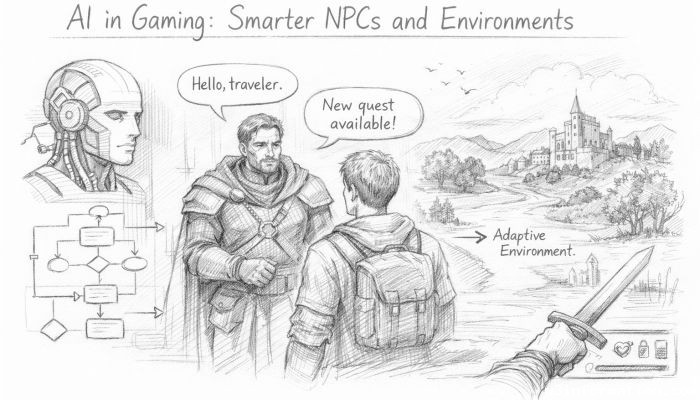 AI in Gaming: Smarter NPCs and Environments
 Understanding Bias in AI Algorithms
 Introduction to Chatbots and Conversational AI
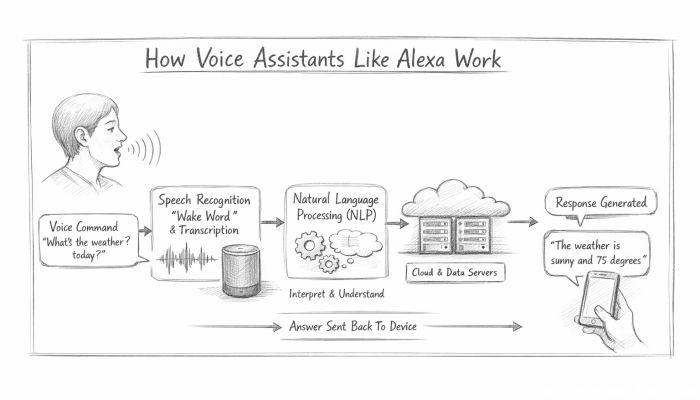 How Voice Assistants Like Alexa Work
 Federated Learning: AI Without Sharing Data