How to Build Healthy Relationships as a Teenager
Teenage years are full of new experiences, self-discovery, and social interactions. Friendships deepen, crushes and romantic interests emerge, and family dynamics evolve as you seek more independence. Amid these changes, building healthy relationships is crucial not just for social fulfillment, but for emotional well-being and long-term development as well. Healthy relationships teach valuable life skills such as communication, empathy, respect, and conflict resolution. Whether with friends, family, or romantic partners, understanding boundaries, mutual respect, and emotional intelligence helps teens form supportive, nurturing, and lasting connections. In this article, we will explore practical strategies, insights, and tips on how to build healthy relationships as a teenager.
- Understand What a Healthy Relationship Looks Like
- Develop Self-Awareness
- Communicate Effectively
- Respect Boundaries
- Build Trust Gradually
- Practice Empathy and Compassion
- Learn Conflict Resolution Skills
- Surround Yourself With Positive Influences
- Balance Independence and Connection
- Avoid Toxic Relationships
- Embrace Vulnerability and Emotional Expression
- Continuously Grow and Reflect
- Conclusion: Cultivating Healthy Relationships for a Brighter Future
- More Related Topics
Understand What a Healthy Relationship Looks Like
Before building healthy relationships, it’s important to recognize what they should involve. A healthy relationship is built on mutual respect, trust, honesty, and open communication. It should be supportive instead of controlling, and both people should have room to grow. Whether a friendship or a romantic relationship, both parties should feel valued, safe, and free to be themselves. Understanding these principles helps teens identify positive relationships and avoid toxic patterns that may harm self-esteem or emotional health.

Develop Self-Awareness
Building healthy relationships starts with knowing yourself. Self-awareness is the key to understanding your values, needs, emotions, and boundaries. When you know what’s important to you and how you feel, you can communicate effectively to others and make decisions that prioritize your well-being. Journaling, mindfulness, or simply reflecting on your experiences and behaviors are great ways to gain insight into your emotions and reactions, ensuring that you build relationships based on authenticity and not insecurity or peer pressure.
Communicate Effectively
Effective communication is the foundation of any healthy relationship. This includes speaking honestly and actively listening to others. Express your thoughts and feelings clearly without blaming or attacking, and practice empathy when listening to others. Active listening involves paying attention, asking questions for clarification, and validating their feelings and experiences. Strong communication skills help prevent misunderstandings, resolve conflicts more effectively, and strengthen emotional connections between you and your friends, family, or romantic partners.
Respect Boundaries
Boundaries are essential in healthy relationships. They define what is comfortable, acceptable, and safe for each person involved. Respecting your own boundaries and those of others builds trust and prevents resentment. Boundaries can include physical, emotional, or digital limits. For example, if a friend shares something personal, respect their privacy and don’t share it with others. If a romantic partner needs space, honor their request without pressuring them. Setting and respecting boundaries in relationships ensures mutual respect and prevents them from becoming unbalanced or unhealthy.
Build Trust Gradually
Trust is a crucial aspect of any healthy relationship, but it takes time to develop. Be reliable, honest, and consistent to help others feel safe and valued. Trusting someone also means giving them the chance to prove themselves over time instead of assuming the worst immediately. Trust also means forgiving minor mistakes while being aware of patterns of harmful behavior. As a teen, building trust in friendships or early romantic relationships is important for developing strong, lasting connections in adulthood.
Practice Empathy and Compassion
Empathy is the ability to understand and share the feelings of another person, and it’s a powerful tool in building meaningful relationships. Compassion, on the other hand, involves acting with kindness towards others, even when they make mistakes or face challenges. Teens who practice empathy are more effective at conflict resolution, supporting their friends, and maintaining harmonious relationships. Empathy also allows you to navigate differences in personality, culture, or opinion, creating inclusive relationships where everyone feels heard, understood, and valued.
Learn Conflict Resolution Skills
Conflict is a normal part of any relationship, but how you handle it sets healthy connections apart from toxic ones. Shouting, name-calling, or passive-aggressive behavior only escalate conflict. Instead, focus on addressing the issue calmly and constructively, using “I” statements to express your feelings and working together to find solutions. Learning conflict resolution skills as a teen teaches compromise, patience, and negotiation, all of which are essential for relationships that are respectful, healthy, and long-lasting. These skills also reduce stress and prevent friendships from ending over misunderstandings.
Surround Yourself With Positive Influences
The people you spend time with influence your experiences, behavior, and overall emotional well-being. Surrounding yourself with positive influences, such as friends who support your goals, family members who encourage your growth, and peers who inspire healthy habits, can strengthen your healthy relationship-building skills. Positive influences often model respectful communication, empathy, and emotional maturity, allowing you to learn how to treat others and setting the standard for the types of relationships you seek.
Balance Independence and Connection
Teens are in a stage of life where they are exploring their independence, but it’s important to balance personal goals and self-care with staying connected to others. Healthy relationships are those that respect your individuality and encourage personal growth, instead of fostering dependency. Pursuing your hobbies, schoolwork, or personal development goals alongside nurturing friendships or romantic relationships will ensure that these connections remain balanced, fulfilling, and sustainable in the long run.
Avoid Toxic Relationships
Not all relationships are healthy, and recognizing toxic patterns is vital for your emotional safety. Toxic relationships are characterized by manipulation, disrespect, constant criticism, control, or emotional neglect. As a teen, you should be encouraged to identify these warning signs and set boundaries, seek support, or distance yourself when necessary. Avoiding toxic dynamics in friendships or early romantic interests will preserve your mental health, self-esteem, and capacity to form positive, nurturing relationships in the future.
Embrace Vulnerability and Emotional Expression
Sharing your feelings and being open and vulnerable strengthens emotional bonds in relationships. Expressing your emotions, fears, and experiences creates trust and intimacy between people. As a teen, expressing emotions can be difficult due to peer pressure or fear of judgment, but vulnerability fosters authenticity and deeper understanding in relationships. Practice honest emotional expression, whether through conversation, writing, or art, to help you connect on a deeper level with your friends, family, and romantic partners.
Continuously Grow and Reflect
Relationships change as you grow, and your skills in maintaining them should too. Take time to reflect on your experiences—what worked, what didn’t, and how you can improve communication or understanding in the future. Self-reflection allows you to learn from mistakes, strengthen existing relationships, and approach new ones with confidence and the wisdom of past experiences. For teenagers, this growth mindset fosters lifelong interpersonal skills that can improve both personal and professional relationships in adulthood.
Conclusion: Cultivating Healthy Relationships for a Brighter Future
Building healthy relationships is a journey, not a destination, and as a teenager, it’s a crucial part of your personal growth. It involves a set of skills, including self-awareness, communication, empathy, trust, and the ability to handle challenges while respecting boundaries. Practicing these skills will help you form connections that offer support, joy, and personal growth. Surrounded by positive influences, avoiding toxic patterns, and balancing independence with connection can further strengthen your relationships. Cultivating healthy relationships is the foundation for emotional resilience, self-confidence, and meaningful social connections that will enrich your life well into adulthood. The time and effort you invest in learning and practicing these skills now will set you up for a future filled with healthy friendships, loving romantic relationships, and strong family ties.
 Big O Notation Explained for Beginners
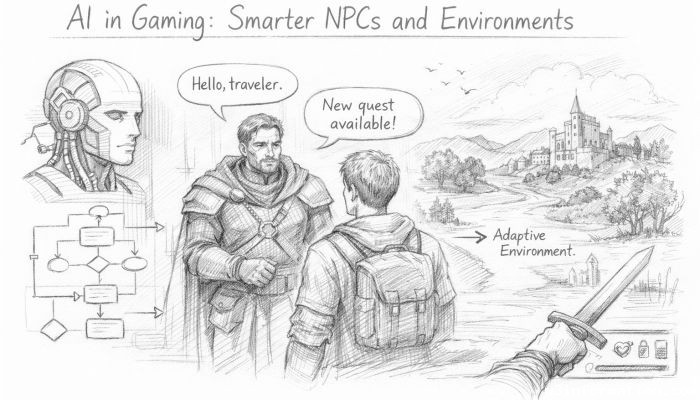 AI in Gaming: Smarter NPCs and Environments
 Understanding Bias in AI Algorithms
 Introduction to Chatbots and Conversational AI
 How Voice Assistants Like Alexa Work
 Federated Learning: AI Without Sharing Data