How to Practice Mindfulness and Reduce Stress
Mindfulness is a powerful way to calm the mind and reduce stress. With roots in ancient meditation practices, this form of focused awareness has gained a lot of popularity today as scientific research is increasingly showing how helpful mindfulness is for mental health. In this article, we will take a close look at how to practice mindfulness and how it can be an effective way to manage stress and increase feelings of peace and well-being. From learning the basics of mindfulness to practical tips and techniques for real-life situations, this comprehensive guide is packed with insights and advice on how to use mindfulness as a stress-reduction tool.
- Understanding Mindfulness: What It Is and Isn’t
- The Science Behind Mindfulness and Stress Reduction
- The Role of Breath in Mindfulness Practice
- Starting a Daily Mindfulness Meditation Routine
- Mindful Movement: Integrating Mindfulness with Physical Activity
- Cultivating Mindfulness in Daily Activities
- Using Mindfulness to Manage Negative Thoughts
- Mindfulness and Emotional Regulation
- Overcoming Common Challenges in Mindfulness Practice
- Using Technology to Support Mindfulness Practice
- Mindfulness in the Workplace: Strategies to Reduce Job-Related Stress
- Long-Term Benefits of Mindfulness for Stress Management
- Conclusion
- More Related Topics
Understanding Mindfulness: What It Is and Isn’t
Mindfulness is the practice of paying full attention to what is happening in the present moment, without judgment or distraction. This involves a focus on one’s thoughts, feelings, sensations, and surroundings with a sense of acceptance and non-reactivity. Mindfulness allows one to become more aware of their reactions and habitual patterns of thinking and reacting, particularly to stressors. This practice of observing experiences as they unfold, rather than becoming caught up in them or trying to push them away, is the heart of mindfulness. Importantly, mindfulness is not about emptying the mind of thoughts or trying to make everything all “good”. Instead, it is about approaching all experiences – pleasant or unpleasant – with a sense of openness, curiosity, and non-judgment.

The Science Behind Mindfulness and Stress Reduction
Research has proven mindfulness as a way to reduce stress and improve mental health and well-being. Studies have found that mindfulness meditation can help to lower stress hormone levels, such as cortisol, and even increase activity in the prefrontal cortex, which is the area of the brain responsible for executive functioning such as decision making and emotional regulation. Mindfulness practice has also been shown to decrease activity in the amygdala – the so-called “fear center” of the brain that can often be overstimulated during times of stress. This all leads to greater resilience, better sleep, and reductions in anxiety and depression.
The Role of Breath in Mindfulness Practice
The breath is a cornerstone of mindfulness practice because it is always present and readily accessible. Paying attention to the breath can be as simple as focusing on the sensation of air flowing in and out of the nostrils or the rise and fall of the abdomen. This simple act of mindful breathing has the effect of calming the nervous system and interrupting the stress-inducing cycle of ruminative thoughts and worry. Techniques such as diaphragmatic breathing or the 4-7-8 breathing method can further help to slow heart rate and promote relaxation. Focusing on the breath can be practiced anywhere at any time and is often a helpful first step into mindfulness practice.
Starting a Daily Mindfulness Meditation Routine
Daily meditation practice is one of the most effective ways to deepen mindfulness and build a buffer against stress. Beginners are encouraged to start small with 5-10 minute sessions and gradually work up as they become more comfortable and consistent with their practice. Using guided meditations from apps or online resources can also be helpful, as they provide a structure and support for new meditators. Essential elements include sitting comfortably in a quiet space, focusing on the breath or body sensations, and gently bringing attention back whenever the mind wanders. Meditation trains the mind to be present and has been shown to significantly reduce reactivity to stressors.
Mindful Movement: Integrating Mindfulness with Physical Activity
Mindfulness does not only have to be practiced while sitting still. Mindful movement involves bringing awareness to the body and one’s movements, such as during yoga, tai chi, or even walking. By paying attention to how each movement feels in the body, a connection between mind and body is created that helps to promote relaxation and grounding. This helps to break the cycle of tension that often builds up around stress and also increases awareness of bodily sensations, which can serve as an early warning system for physical signs of stress before they become more intense.
Cultivating Mindfulness in Daily Activities
Mindfulness can also be integrated into daily life activities such as washing the dishes, eating, or commuting. This can be done by bringing full attention to the sensory experience of each moment – the feel of the water, the taste of the food, the sights and sounds around you. This helps to enrich each moment and shift attention away from worrying or ruminating about the past or future. These practices not only help to build gratitude and appreciation but also train the brain to shift from autopilot to more intentional and aware mode, reducing overall stress in the long run.
Using Mindfulness to Manage Negative Thoughts
Negative thought patterns such as catastrophizing or self-criticism are a major source of stress and anxiety. Mindfulness can help by allowing us to observe these thoughts without getting caught up in them or believing them to be true. By recognizing thoughts as just thoughts, rather than facts or reality, the power they have over our emotions can be reduced. This creates space and distance between us and our stressors, which in turn reduces the intensity of our stress response. Techniques such as labeling the thoughts (“thinking”, “judging”) can help cultivate this sense of detached observation.
Mindfulness and Emotional Regulation
Mindfulness also helps to regulate emotions that can often become heightened under stress. When we are more aware of our feelings as they arise, we can give ourselves time and space to respond more thoughtfully rather than reacting impulsively or shutting down. This awareness allows us to be kinder and more patient with ourselves in difficult moments. Studies have shown that people who practice mindfulness show better control over their emotional impulses and experience less day-to-day mood swings.
Overcoming Common Challenges in Mindfulness Practice
It is common to face obstacles and difficulties when first starting a mindfulness practice. The biggest challenge can simply be a busy or restless mind, but there are also other hurdles such as skepticism about whether mindfulness will “work” or feeling too impatient or uncomfortable with sitting still. Approaching practice with a gentle and non-judgmental attitude, accepting that it may be difficult but not giving up, and experimenting with different mindfulness exercises and practices until you find what resonates with you personally can help overcome these challenges. Remember that mindfulness is a skill that develops over time with regular practice, rather than something that needs to be perfect from the start.
Using Technology to Support Mindfulness Practice
Technology can be a great tool to support mindfulness practice. There are many mindfulness apps, such as Headspace, Calm, and Insight Timer, that provide guided meditations, reminders to practice, and the ability to track your progress. There are also virtual mindfulness communities that can offer support and motivation. It is important to use technology mindfully when using these tools so that they are a help rather than a distraction. Setting boundaries around device use during practice and choosing only those features that enhance your experience can help with this.
Mindfulness in the Workplace: Strategies to Reduce Job-Related Stress
Job-related stress is a big contributor to overall stress levels for many people. There are ways to integrate mindfulness into the work day that can help cultivate a greater sense of calm and improve productivity. Simple practices like taking mindful breaks, focusing on single-tasking instead of multi-tasking, and practicing mindful listening during meetings can all help improve focus and reduce stress and anxiety. Some companies now even offer mindfulness training and/or have designated quiet spaces for meditation for employees.
Long-Term Benefits of Mindfulness for Stress Management
Long-term, consistent mindfulness practice can lead to many other benefits beyond immediate stress relief. Over time, we develop greater emotional resilience, improved mental clarity, and the ability to experience more joy and connection in our lives. We also tend to gain a healthier perspective on life’s stressors, practicing more acceptance and adaptability to whatever comes our way. These long-term effects not only help with stress management but also contribute to overall improved quality of life and mental health.
Conclusion
Mindfulness is a powerful tool that we can use to reduce stress and improve our overall well-being. By learning how to practice mindfulness, we can create a sense of calm and stability in the present moment and gain greater clarity and perspective. Mindfulness practice not only has many short-term benefits for stress reduction but also has long-term effects on our emotional resilience and mental health. So take the time to learn how to use this simple yet effective technique to help you navigate the challenges of life with greater ease and peace of mind.
 Big O Notation Explained for Beginners
 AI in Gaming: Smarter NPCs and Environments
 Understanding Bias in AI Algorithms
 Introduction to Chatbots and Conversational AI
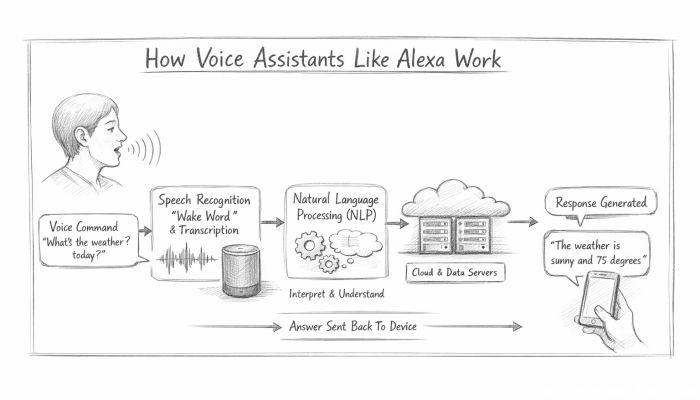 How Voice Assistants Like Alexa Work
 Federated Learning: AI Without Sharing Data