The Best Foods for Boosting Your Energy Naturally
Feeling fatigued or sluggish is a common experience, but consistently low energy levels can hinder productivity, focus, and overall well-being. While sugary snacks and caffeine may offer temporary relief, they often result in energy crashes that leave you feeling even more drained. The solution lies in choosing nutrient-rich, natural foods that provide sustained energy, enhance mental clarity, and boost physical stamina. In this article, we explore the best foods for naturally boosting your energy, diving into the science behind their energizing effects and offering practical tips for incorporating them into your diet. By understanding the best foods for boosting your energy and the reasons why they work, you can optimize your diet and feel revitalized throughout the day.
- Complex Carbohydrates: The Body’s Slow-Burning Fuel
- Bananas: The Perfect On-the-Go Energy Snack
- Nuts and Seeds: Compact Powerhouses of Nutrients
- Leafy Greens: Nature’s Energizers
- Greek Yogurt: Protein-Rich and Probiotic-Positive
- Sweet Potatoes: Energetic Complex Carbohydrates Plus Vitamins
- Eggs: A Complete Protein Source
- Berries: Antioxidants to Fight Fatigue
- Legumes: Fiber and Protein for Endurance
- Water: The Overlooked Energy Vitalizer
- Dark Chocolate: A Delicious Energy Enhancer
- Green Tea: Gentle Caffeine and Antioxidants
- Conclusion: Nourishing Your Natural Energy Reserves
- More Related Topics
Complex Carbohydrates: The Body’s Slow-Burning Fuel
Complex carbohydrates, found in whole grains such as oatmeal, brown rice, and quinoa, are a great source of slow-burning energy. Unlike simple sugars, which cause a rapid spike and subsequent crash in blood glucose levels, complex carbs are high in fiber and take longer to digest. This stabilizes blood sugar levels and provides a steady release of glucose to the muscles and brain over several hours. Incorporating complex carbohydrates into your meals can help prevent energy slumps and sustain concentration and physical activity.
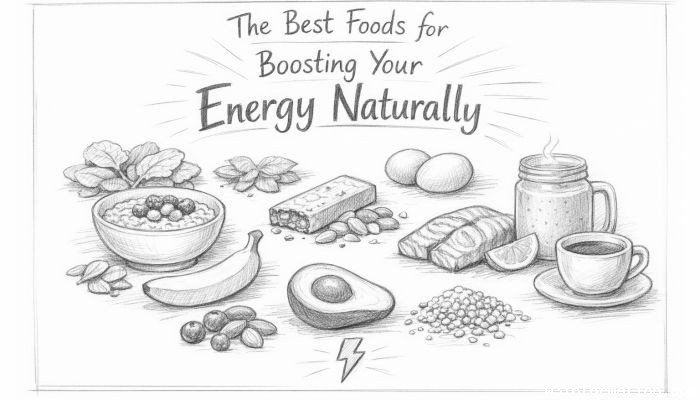
Bananas: The Perfect On-the-Go Energy Snack
Bananas are a popular natural energy booster for good reason. They are rich in easily digestible carbohydrates, including natural sugars like glucose, fructose, and sucrose, as well as fiber. Additionally, bananas contain electrolytes such as potassium and magnesium, which support muscle and nerve function. Eating a banana before a workout or as a midday snack can give you an instant and lasting energy boost without the crash associated with processed sugars.
Nuts and Seeds: Compact Powerhouses of Nutrients
Nuts and seeds, such as almonds, walnuts, chia seeds, and flaxseeds, are nutrient-dense sources of healthy fats, protein, and fiber. These macronutrients work together to promote satiety and provide long-lasting energy. The healthy fats, particularly omega-3 fatty acids found in walnuts and flaxseeds, support brain health and cognitive function. Moreover, nuts and seeds are high in magnesium, which plays a role in energy metabolism at the cellular level, making them an excellent choice for an energizing snack or meal addition.
Leafy Greens: Nature’s Energizers
Dark, leafy greens like spinach, kale, and Swiss chard may not be the first foods that come to mind when thinking about energy boosters, but their nutritional profile speaks for itself. Leafy greens are rich in iron, which is essential for oxygen transport in the blood, a critical factor in energy production. They are also packed with vitamins, including B vitamins that play direct roles in the conversion of food into usable energy. Regularly incorporating leafy greens into your diet can improve overall vitality and help prevent fatigue associated with iron deficiency.
Greek Yogurt: Protein-Rich and Probiotic-Positive
Greek yogurt is unique in its ability to provide energy due to its high protein content and the presence of probiotics that support gut health. Protein helps stabilize blood sugar levels and contributes to muscle repair and growth, improving endurance. A healthy gut microbiome, supported by probiotics in Greek yogurt, aids in the absorption of nutrients, including B vitamins involved in energy production. Opt for plain, unsweetened Greek yogurt and top it with fresh fruits or nuts for a balanced, energy-boosting snack.
Sweet Potatoes: Energetic Complex Carbohydrates Plus Vitamins
Sweet potatoes are nutrient-dense root vegetables that offer complex carbohydrates, fiber, and vitamins like vitamin A and C. Their natural sugars provide a sustained source of glucose, while fiber slows down digestion and prevents spikes and crashes in energy levels. Vitamin A supports immune function, and vitamin C enhances iron absorption from plant-based sources. The combination of these nutrients makes sweet potatoes a wholesome choice for sustained energy and overall health.
Eggs: A Complete Protein Source
Eggs are often referred to as a complete protein because they contain all nine essential amino acids required by the body. Proteins are crucial for maintaining muscle mass, repairing tissues, and promoting stable blood sugar levels, all of which contribute to sustained energy levels throughout the day. Additionally, eggs provide B vitamins and healthy fats that support brain function and cellular energy production. A balanced egg-based meal in the morning can set the tone for long-lasting energy.
Berries: Antioxidants to Fight Fatigue
Berries, such as blueberries, strawberries, and raspberries, are low in calories but high in antioxidants and carbohydrates. Antioxidants help combat oxidative stress, which can lead to cellular fatigue and reduced energy levels. The natural sugars in berries offer a quick source of glucose that can boost mental alertness, while fiber moderates their impact on blood sugar. Regular consumption of berries supports brain health and helps combat the fatigue associated with aging and chronic stress.
Legumes: Fiber and Protein for Endurance
Beans, lentils, chickpeas, and other legumes are excellent sources of both plant-based protein and fiber, two key nutrients for sustained energy. Their complex carbohydrates release glucose slowly, providing the body with fuel over a longer period. Rich in iron and magnesium, legumes also support oxygen transport and energy metabolism. Including legumes in your meals can improve satiety and help avoid the mid-afternoon slump often caused by refined foods.
Water: The Overlooked Energy Vitalizer
Although not a food, water plays a crucial role in maintaining natural energy levels. Mild dehydration can cause fatigue, impaired concentration, and reduced physical performance. Proper hydration ensures efficient nutrient transport, optimal temperature regulation, and waste removal—all energy-consuming processes. Drinking enough water throughout the day primes your body to effectively utilize other energy-giving foods and highlights the importance of hydration in conjunction with nutrition.
Dark Chocolate: A Delicious Energy Enhancer
Dark chocolate, especially varieties with 70% or higher cocoa content, offers a combination of stimulation and health benefits when consumed in moderation. It contains caffeine and theobromine, two natural stimulants that can increase alertness and mood. Dark chocolate is also high in antioxidants and magnesium, which can improve blood flow and support muscle function. A small piece of dark chocolate can provide a natural energy lift without the jitteriness often associated with coffee or energy drinks.
Green Tea: Gentle Caffeine and Antioxidants
Green tea provides a milder dose of caffeine compared to coffee but delivers a powerful combination of antioxidants, including catechins and L-theanine, which promote calm focus and steady energy. L-theanine has a synergistic effect with caffeine, enhancing cognitive performance without the typical nervousness or energy crashes. Regular green tea consumption can gently energize both the mind and body, making it an excellent choice for those sensitive to stronger stimulants.
Conclusion: Nourishing Your Natural Energy Reserves
Identifying the best foods for naturally boosting your energy is both a science and an art form. By focusing on nutrient-dense options such as complex carbohydrates, lean proteins, healthy fats, and hydrating fluids, you can support sustained energy levels throughout the day without experiencing sugar crashes or overstimulation. Incorporating foods like bananas, nuts, leafy greens, and legumes ensures a steady supply of essential micronutrients and macronutrients that fuel the body and brain effectively. Mindful hydration and moderate consumption of energizing beverages like green tea can further enhance your overall vitality. Embracing a balanced, natural diet not only elevates your energy levels but also contributes to long-term health, empowering you to stay active, focused, and resilient in the face of modern life’s demands.
 How to Make the Most of Your Holiday Break
 The Best Winter Destinations for a Cozy Getaway
 How to Organize Your Holiday Travel Plans with Ease
 The Ultimate Guide to Cooking for a Crowd
 How to Make Healthy Comfort Food Without the Guilt
 5 Delicious Vegan Breakfast Ideas You Can Make in Minutes