How to Combat Stress with Simple Breathing Exercises
Stress has a quiet way of sneaking into everyday life. It shows up in tight shoulders, racing thoughts, shallow breaths, and restless sleep. Whether it’s deadlines, family responsibilities, social pressure, or just the constant buzz of modern life, stress can feel overwhelming and constant. The problem is, most of us try to fight stress with more effort—pushing harder, thinking more, doing more—when what our body truly needs is the opposite.
Learning how to combat stress with simple breathing exercises offers a powerful, accessible solution. Your breath is always with you. It’s free, immediate, and deeply connected to your nervous system. When you change how you breathe, you change how your body responds to stress. In this guide, you’ll discover why breathing works, how stress affects your body, and practical breathing techniques you can use anytime—at work, at home, or even in the middle of a difficult moment—to restore calm and clarity.
- Understanding What Stress Really Does to Your Body
- The Connection Between Breath and the Nervous System
- Why Simple Breathing Exercises Actually Work
- Diaphragmatic Breathing: The Foundation of Calm
- Box Breathing for Instant Focus
- The 4-7-8 Technique for Deep Relaxation
- Alternate Nostril Breathing for Emotional Balance
- Using Breath During High-Stress Moments
- Making Breathing Exercises a Daily Habit
- Combining Breathing With Mindfulness
- Addressing Common Challenges
- The Long-Term Benefits of Breath Awareness
- Conclusion: Calm Is Only One Breath Away
- More Related Topics
Understanding What Stress Really Does to Your Body
Before learning how to reduce stress, it helps to understand what’s happening inside you. When you’re stressed, your body activates the “fight-or-flight” response.
Your heart rate increases, muscles tense, and breathing becomes faster and shallower. While this response is helpful in emergencies, chronic stress keeps your body stuck in a constant state of alertness. Over time, this leads to fatigue, irritability, and physical discomfort.
The Connection Between Breath and the Nervous System
Your breath is directly linked to your autonomic nervous system—the system that controls stress and relaxation.

Shallow, rapid breathing signals danger to the brain, while slow, controlled breathing signals safety. By consciously adjusting your breathing, you can shift from fight-or-flight mode into a calmer, more balanced state. It’s one of the fastest ways to regulate stress naturally.
Why Simple Breathing Exercises Actually Work
Breathing exercises work because they activate the parasympathetic nervous system—the body’s “rest-and-digest” mode.
When you slow your breath, your heart rate decreases, muscles relax, and your mind begins to settle. Unlike distractions or quick fixes, breathing exercises address stress at its physiological root.
Diaphragmatic Breathing: The Foundation of Calm
Diaphragmatic breathing, also known as belly breathing, is one of the simplest and most effective techniques.
Sit or lie down comfortably. Place one hand on your chest and one on your abdomen. Breathe deeply into your belly so your abdomen rises while your chest remains relatively still. Exhale slowly. Practicing this for a few minutes helps reduce tension and stabilize your heart rate.
Box Breathing for Instant Focus
Box breathing is widely used by athletes and high-pressure professionals because of its simplicity and effectiveness.
Inhale for four counts, hold for four counts, exhale for four counts, and hold again for four counts. Repeat for several cycles. The structured rhythm calms the mind and restores focus during stressful situations.
The 4-7-8 Technique for Deep Relaxation
The 4-7-8 breathing technique promotes deeper relaxation and is especially helpful before sleep.
Inhale through your nose for four seconds, hold your breath for seven seconds, and exhale slowly for eight seconds. This extended exhale signals the body to relax, making it easier to unwind after a long day.
Alternate Nostril Breathing for Emotional Balance
Rooted in traditional practices, alternate nostril breathing helps balance mental and emotional energy.
Using your fingers, gently close one nostril while inhaling through the other, then switch sides for the exhale. This technique encourages mindful awareness and can be particularly grounding during emotional stress.
Using Breath During High-Stress Moments
Breathing exercises aren’t just for quiet environments—they’re tools you can use in real time.
Before a presentation, during a difficult conversation, or when feeling overwhelmed, pause and take three slow, intentional breaths. Even a brief breathing reset can interrupt the stress cycle and help you respond more calmly.
Making Breathing Exercises a Daily Habit
Consistency matters more than intensity. You don’t need long sessions to benefit from breathing exercises.
Start with two to five minutes in the morning or before bed. Attach the practice to an existing routine, like brushing your teeth or making coffee. Small, regular practice strengthens your ability to manage stress throughout the day.
Combining Breathing With Mindfulness
Breathing becomes even more powerful when paired with mindfulness.
As you breathe, focus on the sensation of air entering and leaving your body. Notice without judgment when your mind wanders, and gently return to your breath. This practice trains your brain to stay present rather than spiral into stress-driven thoughts.
Addressing Common Challenges
Some people feel restless or distracted when starting breathing exercises. This is normal.
If sitting still feels difficult, try breathing exercises while walking slowly or stretching. If your mind races, focus on counting breaths. There’s no perfect way to breathe—only a willingness to practice.
The Long-Term Benefits of Breath Awareness
Over time, simple breathing exercises improve emotional resilience, sleep quality, focus, and overall well-being.
Regular practice doesn’t eliminate stress—but it changes how you respond to it. You become less reactive, more centered, and better equipped to handle challenges with clarity and calm.
 Big O Notation Explained for Beginners
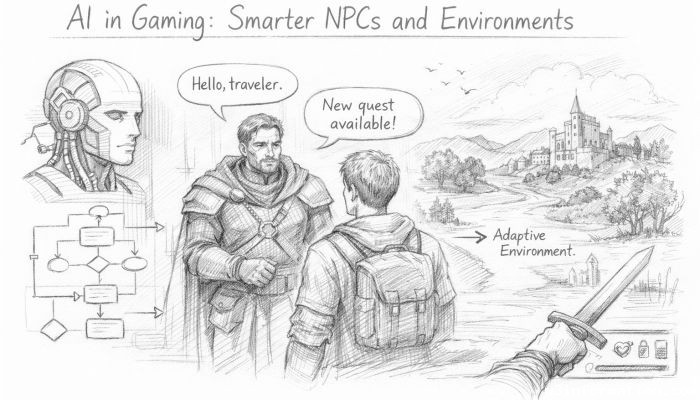 AI in Gaming: Smarter NPCs and Environments
 Understanding Bias in AI Algorithms
 Introduction to Chatbots and Conversational AI
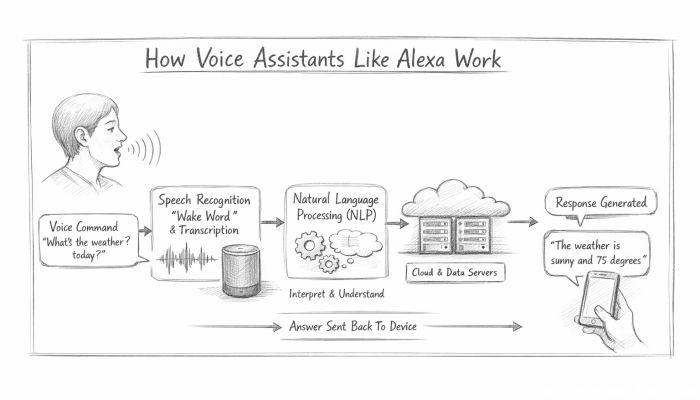 How Voice Assistants Like Alexa Work
 Federated Learning: AI Without Sharing Data