How to Keep a Healthy Work-Life Balance
In today’s busy and always-connected world, many of us struggle to find a good balance between our working and personal lives. Technology, long work hours, blurred lines between home and office, and high expectations at work are just some of the many factors that can lead to an imbalance. The consequences can be severe: stress, fatigue, burnout, reduced productivity, and serious health problems are all risks. While a perfectly balanced work and life is not always possible or even realistic, it is essential to have a basic harmony. A healthy work-life balance is a key factor for happiness, success, and longevity. This complete guide will cover strategies, tips, and best practices for achieving and sustaining a healthy work-life balance.
- What Is Work-Life Balance?
- Why Is Work-Life Balance Important?
- Common Challenges to Work-Life Balance
- Steps to Achieve a Healthy Work-Life Balance
- Step 3: Learn to Say No
- Take Care of Your Physical and Emotional Health
- Step 7: Seek Support
- Work-Life Balance Strategies for Different Professionals
- For shift workers
- For entrepreneurs
- For parents balancing childcare
- The Role of Employers in Promoting Work-Life Balance
- Benefits for the employee and the employer of maintaining work-life balance
- Overcoming Common Obstacles
- Managing work-life balance during career transitions
- Monitoring and Reevaluating Your Work-Life Balance
- How balanced are you?
- Conclusion
- More Related Topics
What Is Work-Life Balance?
Work-life balance means that an individual has enough time and energy for both work and other important aspects of life. It does not mean an equal division of time or the absence of stress, but it rather signifies that a person feels neither overwhelmed nor dissatisfied with their allocation of time and resources among various areas of life.
Achieving work-life balance is about making choices and setting priorities that are right for one’s own career goals, family responsibilities, and personal values. It may include a flexible schedule, regular breaks, vacations, or involvement in hobbies and social activities.

Why Is Work-Life Balance Important?
A good work-life balance has many benefits:
* Reduced stress, anxiety and risk of burnout.
* Increased productivity and efficiency.
* Improved physical and mental health.
* Enhanced relationships with family and friends.
* Greater job satisfaction and sense of fulfillment.
On the other hand, poor work-life balance can lead to a range of negative consequences, including:
* Emotional and physical exhaustion.
* Decreased performance and motivation at work.
* Conflicts in personal relationships.
* Poor health and well-being.
* Increased turnover and absenteeism.
Common Challenges to Work-Life Balance
The good news is that work-life balance is not always the easiest to achieve in reality, despite its seemingly simple concept such as:
1. Technological connectivity.
Advances in technology and communication allow us to be always available and reachable, even outside of regular work hours. This can make it hard to switch off from work and enjoy some downtime, or conversely to focus on work without being distracted by personal matters.
2. Increasing work demands.
Many workers face long hours, tight deadlines, heavy workloads, or multiple responsibilities at work. This can leave little time or energy for other activities or obligations.
3. Remote work and blurred boundaries.
While remote work can offer flexibility and convenience, it also makes it harder to separate work from personal life. When you work from home, there is no clear physical or mental transition between work mode and relaxation mode.
4. Personal and family commitments.
In addition to work, many people have other responsibilities and interests in their personal lives, such as taking care of children or aging parents, participating in social or civic activities, pursuing hobbies or education, or spending quality time with friends and family.
5. Societal and cultural pressures.
In some cultures or professions, there is a culture of overwork, where long hours or constant availability are seen as a sign of commitment, dedication, or success. This can create pressure or expectations to work more than one is able or willing to.
Steps to Achieve a Healthy Work-Life Balance
Now that we understand the importance and the challenges of work-life balance, we can focus on the solutions and the practical steps to restore and maintain a healthy balance.
Step 1: Assess Your Priorities
The first step in balancing work and life is to have a clear understanding of what is most important to you and what you want to achieve. This will help you to make better decisions about how to spend your time and energy, and to avoid overcommitting yourself.
* Review your values and goals in both your professional and personal life. What are the things that you care about and want to accomplish in each area?
* Make a list of your current priorities, such as work projects, family time, health, hobbies, or socializing. How much time and attention do you currently devote to each of them?
* Be honest with yourself about where your time and energy are going, and whether they match your values and goals. Are there any areas that are neglected or take too much of your resources?
Step 2: Set Boundaries
The next step is to create clear boundaries between your work and your personal life, and to communicate them to others. This will help you to separate your work mode from your relaxation mode, and to protect your time and energy from being eroded by unnecessary or excessive demands.
* Set your work hours and stick to them. Whether you work onsite or remotely, decide when you will start and end your workday, and make sure that you and your colleagues or employer are aware of them. Try to avoid checking or responding to work-related messages or calls outside of those hours.
* Create a physical boundary if you work from home. This can be as simple as having a separate desk, chair, or room for work, where you leave your work materials when you are done. This will help you to mentally associate that space with work, and to disconnect from it when you leave.
* Avoid multitasking between work and leisure. For example, do not take work calls or reply to personal texts during family meals, or vice versa. When you are in one mode, give it your full attention.
Step 3: Learn to Say No
One of the biggest barriers to achieving work-life balance is overcommitment.
* Before taking on a new project, responsibility, or activity, evaluate if it will really add value to your life or take too much of your time and resources. Ask yourself if you have the bandwidth and the motivation to do it well.
* Practice polite refusal if an opportunity does not fit your needs or schedule. Remember that saying no is not rude or selfish, it is a form of self-respect and boundary-setting that will benefit you and your relationships in the long term.
Step 4: Manage Your Time Effectively
Time management is one of the most effective skills to balance multiple commitments and tasks. By using various techniques and tools, you can plan your work and your life more efficiently and productively, while also leaving time for breaks and enjoyment.
* Plan your day and week in advance. Use calendars, apps, or planners to block time for work and personal activities, including fixed commitments and self-care.
* Prioritize your tasks and projects. Not everything is equally urgent or important, so use a system like the Eisenhower Box to focus on the most relevant tasks first.
* Use the Pomodoro Technique or other methods to work in focused sprints of 25-50 minutes with short breaks in between.
* Delegate or outsource some of your tasks or responsibilities. Don’t try to do everything by yourself, whether it is at work or at home. Ask for help or hire someone to share the load.
Take Care of Your Physical and Emotional Health
Taking care of your body and your mind is one of the most essential components of a healthy work-life balance.
* Exercise regularly and do activities that you enjoy. Aim for at least 30 minutes of moderate activity, five times a week to improve your physical and mental well-being, and reduce stress.
* Eat healthily and drink enough water. A balanced diet can give you the nutrients and hydration that you need to perform at your best at work and enjoy your life.
* Sleep well and establish a good sleep routine. Aim for seven to nine hours of sleep per night to recharge your brain, and set a consistent sleep schedule and environment for optimal quality.
* Practice mindfulness or meditation to increase your awareness and emotional regulation. Just a few minutes a day of focusing on the present moment and your breath can calm your nerves and uplift your mood.
Step 6: Use Technology Wisely
Technology is both a blessing and a curse for modern professionals and students. If not used carefully and deliberately, technology can distract you from your work and your life, and disrupt your balance. But if you take advantage of its benefits and tools, you can enhance your performance and convenience.
* Set “Do not disturb” or “Airplane mode” on your devices when you need to focus or relax. Avoid being constantly available and switch your devices to a mode that will limit or block incoming notifications or calls.
* Track your time and remind yourself to take breaks. You can use various apps or tools to measure your work hours and notify you when it is time to step away or recharge.
* Limit your social media usage. Social media is great for staying in touch and informed, but it can also be addictive and interruptive. Try to limit or schedule the time you spend on social media platforms for work and personal use.
Step 7: Seek Support
Achieving a healthy work-life balance is not something that you have to do alone.
* Discuss your workload and expectations with your employer and seek solutions if possible. Whether you work for someone or run your own business, your employer is in part responsible for the amount of work that you have. Do not be afraid to talk to them about your situation and negotiate a more realistic or flexible arrangement.
* Share your duties and responsibilities with your family members or caregivers. If you have a partner, children, or other people who live or work with you, remember that you are not alone. You can and should delegate some of your tasks or share the burden equally.
* Join a support group or talk to a therapist or counselor if you are struggling. If you feel overwhelmed or depressed by your work-life situation, you may need professional help or guidance. There are many support groups, therapists, and counselors that specialize in work-related issues and can offer assistance.
Work-Life Balance Strategies for Different Professionals
Of course, different jobs have different characteristics and requirements, and some professions may require more flexibility and commitment than others.
For remote workers
Remote workers, especially those who work from home, may find it especially hard to maintain a separation between work and life. They may also have less structure and support than in-office workers. Therefore, it is important for remote workers to take extra measures and precautions to ensure a healthy work-life balance.
* Have a morning routine. A morning routine can help you prepare for work and start your day on the right foot. You can include activities that will make you feel more awake and motivated, such as showering, dressing, eating breakfast, or listening to music. You can also include elements that will help you get into work mode, such as checking your work calendar, reviewing your tasks, or making a to-do list. By having a consistent and intentional morning routine, you will set the tone for your workday and distinguish it from your personal time.
* Use virtual co-working sessions. Since remote workers often work in isolation, they may feel the need for some social interaction and connection with their colleagues. They can use virtual co-working sessions, where they log into a video platform, and work alongside their colleagues. This is especially helpful in maintaining a good work-life balance for people who don’t have another place to work from, such as at the local library or coffee shop.
* Take advantage of flexible work hours but end work at a consistent time every day. Remote work allows you to work whenever you want, as long as you get the work done. This can be a blessing and a curse: while you have more control over your schedule, you can also lose track of time or work more than necessary. You can use the flexibility to your advantage by choosing the time that suits you best and avoids distractions or interruptions. However, also have a consistent end-of-work time to help you disconnect from work and separate your work mode from your life mode.
For shift workers
Shift workers, who have to work different hours or days that change regularly, face a different set of challenges than normal work arrangements.
* Make sleep hygiene a priority. Shift workers have to adapt to different sleep schedules and patterns depending on their work shifts. This can be very disruptive and tiring for their bodies and minds, especially when they have to switch between day and night shifts. Therefore, it is essential for shift workers to make sleep hygiene a priority, which means following some practices that can help them improve their sleep quality and quantity.
* Set up blackout curtains and use a noise machine if necessary. To help them sleep better during their off hours, shift workers can use some tools that can create a dark and quiet environment for them, such as blackout curtains that block out the light and a noise machine that masks the outside noise.
* Communicate well with family and loved ones about your schedule and plan accordingly. Shift work can also cause problems for relationships and family life, especially when a worker has to work long hours or at odd times. It is important for shift workers to communicate well with their family and loved ones about their work schedule, and plan ahead how to spend quality time with them. This can help them reduce the stress and resentment that can come with shift work and maintain good relationships.
For entrepreneurs
Entrepreneurs are people who start and run their own businesses, either by themselves or with partners.
* Set clear goals and deadlines. Entrepreneurs often have many tasks and projects to juggle, and it is easy for them to get lost or overwhelmed in all the details. To avoid this, it is important for entrepreneurs to set clear goals and deadlines for their work, both long-term and short-term. This will help them stay focused, organized, and motivated, and avoid overworking or procrastinating.
* Outsource or automate some of your work processes. Entrepreneurs also have to find ways to manage their workload and time more efficiently, without sacrificing the quality of their work. One way to do this is to outsource or automate some of the tasks or processes that they do not enjoy, or that do not require their expertise. For example, they can use technology or services that can handle some of the administrative, financial, or marketing aspects of their business.
* Schedule regular breaks and vacation time. Entrepreneurs also have to remember to take care of themselves and their well-being, and to schedule regular breaks and vacation time for themselves. Entrepreneurs often have a lot of passion and drive for their work, but they also have to avoid burning out or losing perspective. Taking breaks and vacations can help entrepreneurs recharge, relax, and have a fresh outlook on their work and life.
For parents balancing childcare
Parents who have to balance work and childcare have a dual responsibility of taking care of their careers and their children, which is not an easy task.
* Create a shared calendar with your partner or caregiver(s). Working parents have to coordinate their work schedules with their children’s needs and activities, such as school hours, extracurricular classes, doctor’s appointments, or playdates. To make this easier, they can create a shared calendar with their partner or caregiver(s) that can help them keep track of their schedules, and plan ahead for their childcare needs and availability. By using a shared calendar, they can communicate better and avoid double booking, conflicts, or confusion about their work and childcare arrangements.
* Set boundaries for work interruptions during family time. Working parents also have to be able to set boundaries for work interruptions during family time. Working parents have to enjoy and cherish the time that they spend with their children, without being distracted or preoccupied by work calls, emails, or tasks. To do this, they can set some rules and boundaries that can help them focus on their family time, and prevent any work interruptions from encroaching on their personal time. For example, they can use the “do not disturb” feature on their phones, or turn off notifications from work messages, during family time.
* Encourage age-appropriate independence in children to create short work periods. Working parents can also help themselves with their work and life balance by encouraging age-appropriate independence in their children. By allowing their children to do some things by themselves or with minimal supervision, working parents can create some short periods of work time that they can use to do some work tasks. For example, working parents can ask their children to play alone for 15 minutes or engage in a different activity that is within their supervision range, in order to give the parent some uninterrupted work time.
The Role of Employers in Promoting Work-Life Balance
Achieving a good work-life balance is not only the responsibility of the individual workers or students, but also the responsibility of their employers and organizations.
There are many ways that employers can help their employees and students achieve a good work-life balance, such as:
* Offering flexible work arrangements that can accommodate different needs and preferences. Flexible work arrangements are options that allow workers and students to have some control over when, where, and how they work. Some examples of flexible work arrangements are flexible schedules, remote work, compressed work weeks, part-time work, or job sharing.
* Setting reasonable workloads and expectations that can reduce employee and student stress and burnout. Workload and expectations refer to the amount and difficulty of the work that is assigned or required to be done by an employer or an institution. By setting reasonable workloads and expectations, employers can help employees and students manage their time and resources more effectively, and avoid overloading or overwhelming them with too much work.
* Providing health and wellness resources and programs that can support employee and student well-being. Health and wellness resources and programs are any materials, services, activities, or benefits that can help employees and students maintain or improve their physical, mental, emotional, or social health. Examples of health and wellness resources and programs include access to health insurance, mental health counseling, fitness centers or classes, stress management workshops, or employee assistance programs.
* Encouraging and facilitating time off and vacation that can allow employees and students to rest and recharge. Time off and vacation are periods of time when employees and students are not required to work or attend school or classes, and are free to do as they please. Time off and vacation can be scheduled or unscheduled, paid or unpaid, depending on the employer’s or institution’s policies. By encouraging and facilitating time off and vacation, employers can help employees and students get enough rest and relaxation, and prevent them from getting burned out or exhausted by their work or studies.
* Fostering a positive and supportive work culture that can promote healthy work habits and attitudes. Work culture is the set of values, beliefs, norms, behaviors, and relationships that characterize the way that work is done and experienced in an organization or industry. A positive and supportive work culture can help employees and students develop healthy work habits and attitudes, such as communication, collaboration, feedback, recognition, respect, or fun. A positive and supportive work culture can also help employees and students avoid or cope with negative work factors, such as stress, conflict, competition, or boredom.
Benefits for the employee and the employer of maintaining work-life balance
The benefits of work-life balance are numerous and significant for both employees and employers:
* Reduced stress and burnout. Stress and burnout are negative emotional and physical reactions that can occur when a person feels overwhelmed or under pressure by their work demands or expectations. Stress and burnout can have serious consequences for a person’s health, well-being, relationships, and work performance. A good work-life balance can help a person reduce their stress and burnout by providing them with enough time and energy for themselves and their personal lives.
* Increased productivity and efficiency. Productivity and efficiency are measures of how well and how fast a person or an organization can complete their work tasks or goals. Productivity and efficiency can be affected by a variety of factors, such as motivation, skills, resources, feedback, or environment. A good work-life balance can help a person or an organization increase their productivity and efficiency by allowing them to work smarter and not harder. By having enough time for work and rest, people can avoid fatigue, distractions, or errors, and focus on the most important and valuable work.
* Improved physical and mental health. Physical and mental health are the states of well-being of a person’s body and mind. Physical and mental health can be influenced by many aspects of a person’s life, including their genetics, lifestyle, habits, activities, and work. A good work-life balance can help a person improve their physical and mental health by giving them the opportunity to take care of their body and mind. This can include having enough time and resources for exercise, sleep, nutrition, relaxation, hobbies, socializing, and other activities that can enhance a person’s health and happiness.
* Enhanced relationships with family and friends. Family and friends are the people that a person is related to by blood, marriage, or choice, and that share a bond of affection, support, or companionship with the person. Relationships with family and friends are an important part of a person’s life and well-being, as they can provide a person with love, care, belonging, and joy. A good work-life balance can help a person enhance their relationships with family and friends by making sure that they have enough time and availability for them. By having a good balance, a person can avoid neglecting, missing, or damaging their relationships due to work commitments or distractions.
* Greater job satisfaction and sense of fulfillment. Job satisfaction and sense of fulfillment are the positive feelings and emotions that a person experiences when they are happy and content with their work. Job satisfaction and sense of fulfillment can depend on many factors, such as a person’s personality, values, interests, needs, or goals, as well as their work environment, culture, leadership, tasks, feedback, rewards, or recognition. A good work-life balance can help a person achieve greater job satisfaction and sense of fulfillment by allowing them to do work that is meaningful and enjoyable for them. By having a good balance, a person can align their work with their personal values and goals, and find more purpose and satisfaction in their work.
Overcoming Common Obstacles
Even when you have the best intentions and strategies for achieving a good work-life balance, sometimes you may encounter some difficulties :
Feeling guilty for taking time off
Some people have a tendency to feel guilty or selfish for taking time off from their work or studies, even when they need or deserve it. They may feel like they are letting themselves or others down by not working or studying as much as they can or should. This feeling of guilt can prevent them from enjoying their time off and taking care of their well-being.
This can be overcome by reminding yourself that taking time off is not only good for you, but also for your work or studies. Taking time off can help you recharge your energy, focus your mind, and boost your motivation and performance when you return to your work or studies. Taking time off can also show that you are confident and capable in your work or studies, that you have enough time and control over your schedule, and that you respect your limits and needs. Therefore, taking time off is not a sign of weakness or failure, but rather a sign of strength and success.
Dealing with unexpected work crises
Sometimes, you may face a situation where you have to deal with an unexpected and urgent work crisis, such as a deadline, an emergency, or a problem, that requires you to interrupt your time off or personal time. While this can be frustrating and disappointing, it may be unavoidable or necessary in some cases. However, this does not mean that you have to sacrifice your entire work-life balance for every crisis that comes your way.
Instead of letting every crisis ruin your work-life balance, you can plan ahead for some possible contingencies and have a backup plan in case of emergencies. This can help you prepare for some unexpected work crises without having to cancel or compromise your time off or personal time completely. You can also set some limits and conditions for when you are available and willing to work outside of your normal schedule, and communicate them clearly to others. Additionally, when an unexpected work crisis does happen, you can still enjoy some of your planned activities and make the most of your time off or personal time, even if it is shortened or interrupted. You can prioritize the most important or enjoyable activities and activities, and postpone or skip the less important or less enjoyable ones. You can also reward yourself for dealing with the crisis and completing your work tasks, and be kind to yourself if you feel stressed or upset.
Managing work-life balance during career transitions
Career transitions are times when a person’s work life changes significantly or drastically, such as starting a new job, leaving a job, getting a promotion, or changing fields.
Career transitions can be successfully managed by taking some steps to maintain or restore a person’s work-life balance. A person can reassess and redefine their work and life priorities and goals according to their new situation and needs, and make sure they are realistic and achievable. A person can also renegotiate and establish new work and life boundaries with their employer, colleagues, family, friends, and others, and communicate them clearly. Additionally, a person can reevaluate and adjust their time and resource allocation to their work and life activities, and make sure they are not overcommitting or neglecting anything. Finally, a person can take good care of their health and well-being during their career transition, and make sure they are not sacrificing their physical or mental health for their work or life changes.
Monitoring and Reevaluating Your Work-Life Balance
Achieving and maintaining a healthy work-life balance is not a one-time event or action, but rather an ongoing process and a continuous practice:
* Tracking and reviewing your activities and time. One way to monitor your work-life balance is to track and review the activities and time that you spend on your work and life areas. By keeping records of your daily, weekly, monthly, or annual activities and time, you can get a clearer picture of how you are allocating your time and energy among your work and life areas. You can also use various tools or templates to track and review your activities and time, such as calendars, diaries, journals, spreadsheets, or apps. Some examples of activities and time tracking and reviewing templates are:
** A simple weekly planner :
This is a simple weekly planner that can help you plan your weekly work and life activities and time.
** A personal time tracker :
This is a personal time tracker that can help you log your daily work and life activities and time.
** A work-life balance tracker
This is a work-life balance tracker that can help you rate and record your weekly work and life satisfaction and stress.
* Self-assessment and reflection tools. Another way to monitor your work-life balance is to use self-assessment and reflection tools to evaluate your feelings, thoughts, and attitudes about your work and life areas. By using some scales or questions to rate or answer about your work and life satisfaction, stress, priorities, boundaries, and health, you can get a better understanding of your current state of work-life balance and identify any areas of improvement or concern. You can also use various tools or resources to perform a self-assessment and reflection on your work-life balance, such as checklists, surveys, quizzes, or articles. Some examples of self-assessment and reflection tools for work-life balance are:
How balanced are you?
This is a survey that can help you assess how balanced you are in your work and life areas.
How’s your work-life balance?
This is a quiz that can help you measure how well you are balancing your work and life areas.
10 Questions to Help You Achieve Work-Life Balance ?
This is an article that can help you reflect and answer 10 questions that can help you achieve work-life balance.
* Feedback and input from others. A third way to monitor your work-life balance is to seek and receive feedback and input from others who are important or involved in your work and life areas. By asking or listening to the opinions and perspectives of others, such as your employer, colleagues, family, friends, or mentors, you can gain some valuable insights and suggestions on how you are doing and what you can improve or change in your work-life balance. You can also use various tools or platforms to collect or provide feedback and input from others on your work-life balance, such as forms, emails, messages, or social media. Some examples of feedback and input sources for work-life balance are:
Employer or manager feedback
This is an example of a feedback form that you can use to ask or provide feedback to or from your employer or manager on your work-life balance.
Family or friend feedback
This is an example of a feedback message that you can use to ask or provide feedback to or from your family or friends on your work-life balance.
Peer or mentor feedback
This is an example of a feedback post that you can use to ask or provide feedback to or from your peers or mentors on your work-life balance.
Conclusion
A healthy work-life balance is one of the most important and beneficial things to have as a modern professional or student. It can help you lead a happier, healthier, and more successful life, both at work and outside of it. However, it is not always easy or simple to achieve or maintain, especially in today’s fast-paced, connected, and demanding world. It takes effort, planning, and some strategies and tips to find and keep a good balance that works for you. This article has provided a comprehensive guide on how to keep a healthy work-life balance, covering the definition, importance, challenges, steps, strategies, support, and more. The article has also included various tools and templates that can help you monitor and evaluate your work-life balance, and adjust it accordingly. By following the guide and using the tools, you can learn how to balance your work and life in a way that suits your needs, goals, and values, and avoid the pitfalls and problems of an unhealthy work-life balance.
 Big O Notation Explained for Beginners
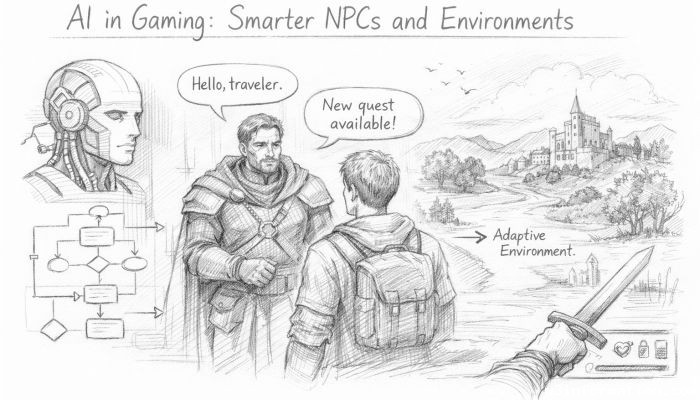 AI in Gaming: Smarter NPCs and Environments
 Understanding Bias in AI Algorithms
 Introduction to Chatbots and Conversational AI
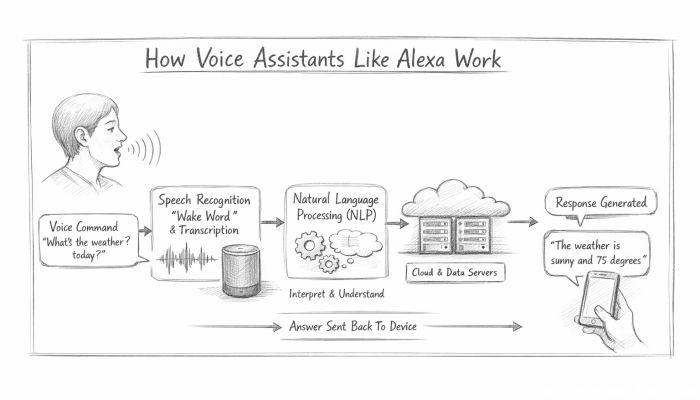 How Voice Assistants Like Alexa Work
 Federated Learning: AI Without Sharing Data