How to Stay Healthy While Working from Home
In recent years, working from home has transformed from a rare perk into a widespread norm for millions of people worldwide. While remote work offers undeniable benefits such as flexibility, reduced commute times, and improved work-life balance, it also introduces unique challenges to maintaining physical and mental well-being. Without the natural movement associated with office routines and the social interactions that come with a traditional workplace, remote workers often find themselves struggling with sedentary habits, poor ergonomics, and blurred boundaries between work and personal time. This article delves into practical and evidence-based strategies to stay healthy while working from home. From creating an ergonomic workspace to prioritizing mental health, the following sections will guide you through maintaining a balanced lifestyle that supports productivity and wellness simultaneously.
- Designing an Ergonomic Home Workspace
- Implementing Regular Movement Breaks
- Prioritizing Physical Exercise
- Maintaining a Balanced and Nutritious Diet
- Establishing Boundaries Between Work and Home Life
- Incorporating Mindfulness and Stress Management Techniques
- Optimizing Sleep Quality
- Leveraging Social Connection and Support
- Managing Screen Time and Eye Health
- Creating a Positive and Inspiring Work Environment
- Taking Advantage of Technology for Health Tracking
- Seeking Professional Guidance and Resources
- Conclusion
- More Related Topics
Designing an Ergonomic Home Workspace
One of the primary factors affecting health while working from home is the physical setup of your workstation. Traditional office environments typically provide ergonomic furniture designed to reduce strain and promote good posture. At home, many settle for kitchen tables or couches, which can lead to back pain, neck stiffness, and repetitive strain injuries. To prevent these issues, invest in a chair with lumbar support and adjust your desk height to ensure your computer screen is at eye level. Keep your feet flat on the floor and your wrists straight while typing. An ergonomic workspace reduces physical discomfort, enhances focus, and minimizes long-term musculoskeletal problems.
Implementing Regular Movement Breaks
Sitting for extended periods is associated with a myriad of health risks, including increased chances of cardiovascular diseases, obesity, and metabolic disorders. Unlike traditional office environments where walking to meetings, lunch areas, or colleagues breaks up sitting time, remote work can promote a sedentary lifestyle. To counteract this, set timers or reminders to stand up, stretch, or take short walks every 30 to 60 minutes. Simple activities like shoulder rolls, neck stretches, or a quick lap around your living space can invigorate circulation, reduce stiffness, and boost energy levels throughout the day.

Prioritizing Physical Exercise
Beyond movement breaks, incorporating structured physical exercise into your daily routine is essential. Regular exercise improves cardiovascular health, strengthens muscles and bones, enhances mood, and supports cognitive function. When working from home, find ways to schedule workouts that fit your lifestyle, whether it’s morning yoga, midday jogging, or evening strength training. Many online platforms offer free or subscription-based classes, providing flexibility and variety. Exercise also creates a clear boundary between work hours and personal time, helping to mentally transition away from the stresses of professional obligations.
Maintaining a Balanced and Nutritious Diet
Nutrition plays a pivotal role in overall health and productivity. Home environments can tempt individuals to snack mindlessly or consume processed, convenient foods due to accessibility and stress. To nurture a balanced diet, plan meals ahead and stock your kitchen with wholesome ingredients such as fruits, vegetables, whole grains, lean proteins, and healthy fats. Stay hydrated by drinking adequate water throughout the day. Avoid excessive caffeine or sugary drinks, which can cause energy crashes. Mindful eating habits not only support physical health but also enhance concentration and mood stability during work hours.
Establishing Boundaries Between Work and Home Life
A significant mental health challenge in remote work is the blurring of professional and personal boundaries. When your home doubles as your office, it can be tempting to overwork or feel “on call” constantly. This stress can lead to burnout, decreased job satisfaction, and poor mental health outcomes. To maintain balance, set defined work hours and communicate them clearly with household members and colleagues. Create a dedicated workspace that you leave at the end of the day to signal the shift from work to relaxation. Engaging in hobbies, spending time with loved ones, and taking time off are critical to recharge and prevent fatigue.
Incorporating Mindfulness and Stress Management Techniques
Working from home can enhance feelings of isolation and stress, especially during unforeseen challenges. Practicing mindfulness is an effective way to cultivate mental clarity, reduce anxiety, and improve emotional resilience. Simple techniques include deep breathing exercises, meditation, or journaling for a few minutes each day. Apps and online resources can guide beginners through mindfulness practices tailored to workplace stress. Additionally, taking periodic mental health breaks, disconnecting from work communications during non-work hours, and seeking professional help if needed contribute to a holistic approach to wellness.
Optimizing Sleep Quality
Sleep is fundamental to maintaining cognitive function, emotional regulation, and physical health. Remote work may disrupt traditional routines, making it easier to stay up late or sacrifice rest for extra work hours. To ensure restorative sleep, establish a consistent sleep schedule by going to bed and waking up at the same times daily. Create a calming nighttime routine that avoids screens an hour before bed, lowers lighting, and minimizes distractions in your bedroom. Investing in good-quality bedding and maintaining a comfortable room temperature further supports uninterrupted sleep, enabling you to perform optimally during work hours.
Leveraging Social Connection and Support
Human beings are inherently social creatures, and the lack of casual interpersonal interactions can negatively impact mental health in remote work settings. To combat loneliness and foster a sense of community, make deliberate efforts to stay connected with colleagues, friends, and family. Schedule virtual coffee breaks, participate in online team activities, or join interest groups and forums. When possible, blend online interaction with in-person meet-ups while respecting health guidelines. Social connection improves motivation, reduces stress, and nurtures a positive outlook, critical components of sustained health while working remotely.
Managing Screen Time and Eye Health
Extended screen exposure is inevitable in a remote work environment, posing challenges like digital eye strain, headaches, and fatigue. To alleviate these effects, implement the 20-20-20 rule: every 20 minutes, look at something 20 feet away for at least 20 seconds. Adjust screen brightness and contrast to comfortable levels and consider blue light filters or glasses designed to reduce harmful emissions. Position your monitor to minimize glare and maintain proper distance — around an arm’s length from your eyes. Regular blinking and using artificial tears when necessary also help keep eyes moist and comfortable throughout the day.
Creating a Positive and Inspiring Work Environment
Psychological well-being is intimately linked to the environment you inhabit while working. A cluttered, uninspiring workspace can hinder productivity and negatively affect mood. To foster positivity, personalize your area with items that motivate or soothe you — plants, artwork, photographs, or pleasant scents. Ensure good lighting with natural daylight when possible, as it improves alertness and circadian rhythms. Keep your workspace organized and clean to minimize distractions and create mental clarity. A well-crafted work environment can significantly boost satisfaction, creativity, and overall health during your remote work journey.
Taking Advantage of Technology for Health Tracking
Modern technology offers valuable tools to support health while working remotely. Fitness trackers, smartwatches, and mobile apps can monitor physical activity, heart rate, sleep patterns, and even stress levels, providing insightful data to guide healthier habits. Using these tools encourages accountability and helps set achievable goals. For example, reminders to stand, hydration alerts, or guided breathing sessions can be integrated seamlessly into your workday. However, balance technology use to avoid feeling overwhelmed or overly monitored, focusing instead on its role as a helpful support system.
Seeking Professional Guidance and Resources
If you encounter persistent physical pains, mental health struggles, or challenges maintaining a healthy routine, don’t hesitate to seek professional guidance. Telehealth services make it easier than ever to connect with healthcare providers, nutritionists, therapists, or ergonomic specialists without leaving home. Employers may offer wellness programs, counseling resources, or ergonomic assessments, so take advantage of available support. Early intervention and expert advice can prevent minor issues from escalating and ensure a sustainable, healthy work-from-home lifestyle.
Conclusion
Working from home has reshaped the boundaries of professional life, offering both opportunities and challenges for maintaining health. By embracing an ergonomic workspace, incorporating regular movement, prioritizing nutrition and exercise, and nurturing mental and emotional well-being, remote workers can create a balanced and sustainable routine. Establishing clear boundaries, managing screen time, fostering social connections, and leveraging technology further enhance personal wellness. Above all, understanding that health is a multidimensional pursuit—encompassing body, mind, and environment—empowers individuals to thrive in the evolving world of remote work. With intentional habits and mindful choices, working from home can be a catalyst for a healthier, happier life.
 Big O Notation Explained for Beginners
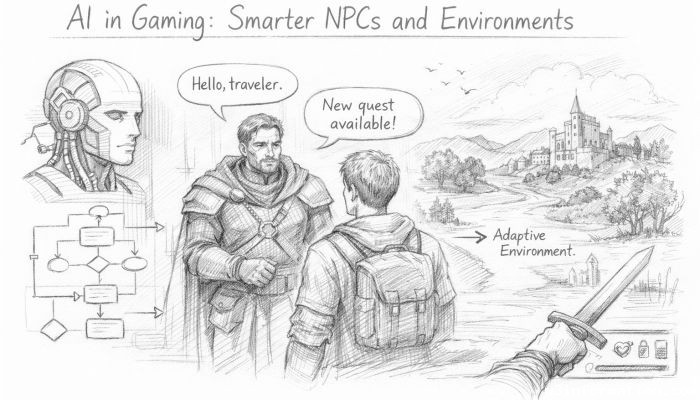 AI in Gaming: Smarter NPCs and Environments
 Understanding Bias in AI Algorithms
 Introduction to Chatbots and Conversational AI
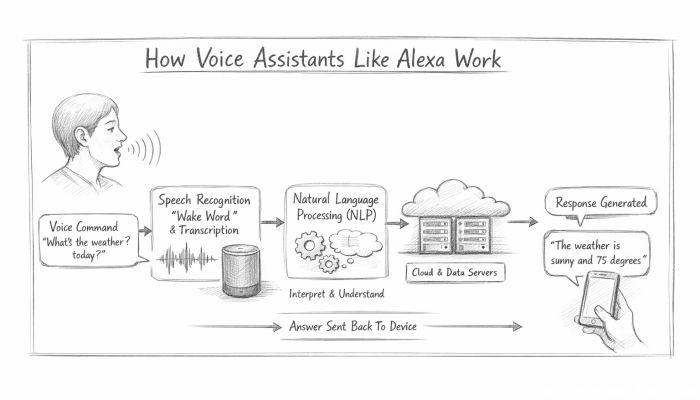 How Voice Assistants Like Alexa Work
 Federated Learning: AI Without Sharing Data