How to Develop a Consistent Exercise Routine
Establishing a consistent exercise routine is one of the most impactful decisions you can make for your physical and mental well-being. Yet, despite widespread knowledge about the benefits of regular physical activity, many struggle to turn intentions into lasting habits. Whether you are a beginner or someone returning to fitness after a break, developing a sustainable routine requires more than just motivation—it demands structure, adaptability, and a clear understanding of your personal goals. This article explores practical strategies and psychological insights that will help you create and maintain an exercise habit that fits your lifestyle and keeps you engaged over the long term. By delving into mindset shifts, planning techniques, and actionable tips, you will be empowered to transform exercise from a sporadic effort into a consistent, rewarding part of your daily life.
- Understanding the Importance of Consistency in Exercise
- Setting Clear and Achievable Goals
- Assessing Your Current Fitness Level and Preferences
- Creating a Structured Weekly Schedule
- Starting Small and Progressing Gradually
- Incorporating Variety to Maintain Interest
- Creating a Supportive Environment
- Understanding and Managing Mental Barriers
- Leveraging Technology and Tools
- Prioritizing Recovery and Rest
- Adapting Your Routine to Life Changes
- Tracking Progress and Celebrating Success
- Cultivating Long-term Motivation and Habit Formation
- Conclusion
- More Related Topics
Understanding the Importance of Consistency in Exercise
Consistency is the cornerstone of all fitness goals. While occasional workouts can provide short-term benefits, only regular exercise leads to sustained improvements in strength, cardiovascular health, endurance, and mental clarity. The body adapts progressively to consistent physical stress, allowing you to build stamina and reduce injury risk. Moreover, steady exercise helps regulate hormones that influence mood and energy, enhancing overall quality of life. Recognizing the value of consistency shifts your focus from quick fixes or overexertion to long-term commitment, setting realistic expectations that promote gradual progress rather than burnout.
Setting Clear and Achievable Goals
Before embarking on any exercise plan, defining specific, measurable, achievable, relevant, and time-bound (SMART) goals is essential. Goals give your workouts purpose and motivation. Instead of vague aims like “get fit,” clarify what fitness means to you—whether it's running a 5K, improving flexibility, losing weight, or simply feeling more energetic. Break larger goals into smaller milestones so you can celebrate incremental successes. For example, if your goal is to exercise five times a week, start with three sessions and increase frequency steadily. Clear goals make it easier to track progress and adjust your routine to stay on course.
Assessing Your Current Fitness Level and Preferences
Self-assessment forms the foundation of a practical exercise routine. Understanding your current fitness level, any health limitations, and physical preferences helps tailor a sustainable plan. Conducting simple tests, like timing your mile, assessing flexibility, or noting recovery time after activity, can offer baseline data. Listening to your body also matters—some enjoy high-intensity workouts, while others prefer yoga or walking. Knowing what activities resonate with you increases the likelihood that you will stick with your routine, as enjoyment often translates to consistency.

Creating a Structured Weekly Schedule
Having a plan is key to consistency. Craft a weekly exercise schedule that fits your lifestyle, balancing workout days with rest or active recovery. Consistency does not mean daily extreme efforts; instead, regular, manageable sessions are more effective. Aim to exercise at the same time each day, whether it's morning, lunch break, or evening, to build habit cues. Use planners, digital calendars, or fitness apps with reminders to stay accountable. Structuring your workouts in advance reduces decision fatigue and prevents skipping sessions due to uncertainty or time constraints.
Starting Small and Progressing Gradually
One of the most common reasons people abandon exercise routines is doing too much too soon. Starting with small, achievable workouts protects against injury and discouragement. Even 10 to 15-minute sessions can stimulate progress and build confidence. Over time, gradually increase the intensity, duration, and variety of activities. This incremental approach respects your body’s adaptation processes and prevents plateaus. Progression might involve adding weights, running longer distances, or incorporating interval training. Patience paired with steady growth creates lasting fitness gains.
Incorporating Variety to Maintain Interest
Monotony can quickly sap motivation. To keep your exercise routine engaging, integrate different types of workouts—strength training, cardio, flexibility exercises, or sports. Variety challenges different muscle groups and energy systems, promoting balanced development and reducing overuse injuries. Moreover, mixing indoor and outdoor activities or alternating group classes with solo workouts prevents boredom. Exploring new activities also uncovers hidden interests that might fuel long-term adherence.
Creating a Supportive Environment
Your environment significantly influences behavior. Set up spaces at home or near work conducive to exercise—clear clutter, have equipment ready, or identify nearby parks and gyms. Share your goals with friends or family who encourage your efforts, or find workout partners to increase accountability and enjoyment. Social support can boost motivation, especially on days when enthusiasm wanes. Surrounding yourself with positive reinforcements aligns your daily environment with your fitness ambitions.
Understanding and Managing Mental Barriers
Mental blocks, such as lack of motivation, fear of failure, or negative self-talk, often derail exercise consistency. Recognizing these barriers is the first step in overcoming them. Techniques like mindfulness, visualization, and cognitive restructuring can shift your mindset toward patience and self-compassion. Accept that some days will be harder, and missed workouts do not equal failure but opportunity to recommit. Celebrate small wins and focus on the process rather than perfection. Consulting with mental health or fitness professionals can provide personalized strategies to stay mentally resilient.
Leveraging Technology and Tools
Modern technology offers powerful allies in maintaining exercise routines. Fitness trackers monitor activity levels and calories burned, while mobile apps provide guided workouts and progress tracking. Virtual communities and challenges add social elements that can boost motivation. Using technology effectively means finding tools that suit your preferences without creating pressure. For instance, a step-counter can encourage movement without strict targets, and video sessions provide flexible options that fit busy schedules.
Prioritizing Recovery and Rest
Exercise consistency also depends on balancing activity with adequate recovery. Ignoring rest leads to overtraining, fatigue, and injury, thwarting progress. Incorporate rest days, prioritize sleep quality, and use recovery techniques such as stretching, foam rolling, or gentle yoga. Understanding that rest is part of the fitness journey adjusts your expectations and fosters long-term sustainability. When your body feels replenished, you are more likely to stay committed and perform well during workouts.
Adapting Your Routine to Life Changes
Life is dynamic, and your exercise routine must be adaptable to remain consistent. Changes such as work schedules, travel, illness, or family demands can disrupt plans. Building flexibility into your routine—such as shorter workouts on busy days, home exercise options, or shifting workout times—helps you navigate disruptions without losing momentum. Viewing your routine as a flexible commitment rather than a rigid schedule prevents feelings of frustration and supports resilience.
Tracking Progress and Celebrating Success
Regularly reviewing your progress energizes motivation and guides adjustments. Use journals, apps, or photos to document improvements in strength, endurance, mood, or body composition. Celebrate milestones with rewards that reinforce positive behavior, such as new workout gear, a massage, or a favorite healthy treat. Recognizing progress not only boosts confidence but also deepens your emotional connection to your exercise routine, making it more meaningful and sustainable.
Cultivating Long-term Motivation and Habit Formation
Sustained exercise routines evolve from habits supported by intrinsic motivation rather than external pressures. Identify deeper reasons for exercising beyond appearance, such as improved health, stress relief, or social connection. Engage in mindful exercise practices that focus on body awareness and enjoyment. Habit formation theories suggest that pairing exercise with existing routines (e.g., exercising right after brushing teeth) reinforces consistency. Over time, the behavior becomes automatic, reducing reliance on willpower and making fitness a natural part of your lifestyle.
Conclusion
Developing a consistent exercise routine is a multifaceted process that involves thoughtful planning, self-awareness, and adaptability. By setting clear goals, assessing your fitness level, scheduling strategically, and progressing gradually, you lay a strong foundation for habit formation. Incorporating variety, creating supportive environments, addressing mental barriers, and leveraging technology further enhance your ability to stay consistent. Prioritizing rest and flexibility ensures sustainability amid life’s inevitable changes. Regular progress tracking and fostering intrinsic motivation transform exercise from a task to a rewarding lifestyle choice. Embracing these strategies will empower you not just to build an exercise routine, but to sustain it confidently, unlocking lifelong health and vitality.
 Big O Notation Explained for Beginners
 AI in Gaming: Smarter NPCs and Environments
 Understanding Bias in AI Algorithms
 Introduction to Chatbots and Conversational AI
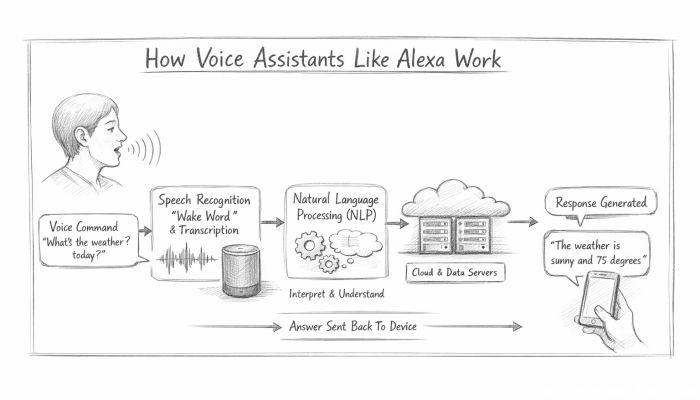 How Voice Assistants Like Alexa Work
 Federated Learning: AI Without Sharing Data