How to Incorporate Mental Health Days into Your Routine
In a world that constantly pushes productivity, deadlines, and “always being on,” taking a break can sometimes feel like a weakness. But the truth is, mental health is just as important as physical health—and ignoring it can lead to burnout, stress, and emotional exhaustion. That’s where mental health days come in. These are intentional pauses that allow you to rest, reset, and reconnect with yourself. They are not about being lazy or avoiding responsibilities; they are about maintaining balance and long-term well-being. Incorporating mental health days into your routine can improve your focus, boost your energy, and help you show up as your best self in both personal and professional life. In this guide, we’ll explore practical and realistic ways to make mental health days a natural and guilt-free part of your routine.
- Understanding What Mental Health Days Really Are
- Recognizing the Signs You Need a Break
- Letting Go of Guilt Around Taking Time Off
- Planning Mental Health Days in Advance
- Communicating Your Needs Clearly
- Designing a Restful and Meaningful Day
- Disconnecting from Work and Digital Overload
- Prioritizing Self-Care Activities
- Reflecting on Your Mental and Emotional State
- Building Small Daily Habits for Mental Wellness
- Conclusion
- More Related Topics
Understanding What Mental Health Days Really Are
Before incorporating mental health days, it’s important to understand their purpose. A mental health day is a planned break from your regular responsibilities to focus on emotional and mental well-being.
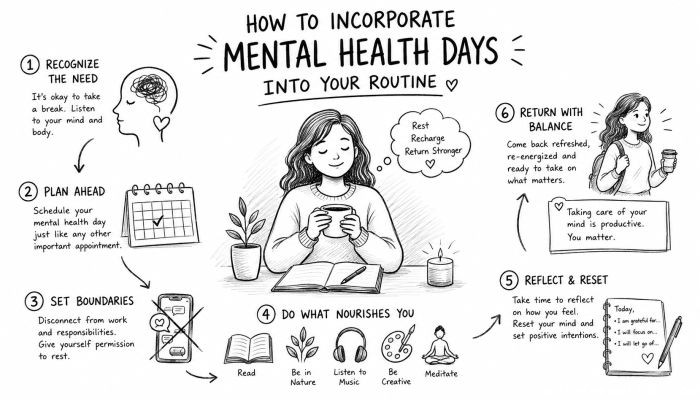
It’s not about escaping life—it’s about managing it better. These days allow you to step back, reflect, and recharge. When approached intentionally, they become a powerful tool for maintaining balance rather than a sign of burnout.
Recognizing the Signs You Need a Break
Many people wait until they feel completely overwhelmed before taking a break. Learning to recognize early signs can help you act sooner.
Common signs include:
- Constant fatigue
- Lack of motivation
- Irritability or mood swings
- Difficulty concentrating
When you notice these signals, it’s your mind asking for rest. Listening to these signs is the first step toward better mental health.
Letting Go of Guilt Around Taking Time Off
One of the biggest barriers to taking mental health days is guilt. People often feel they should always be productive.
But taking time off is not a failure—it’s self-care. Just like your body needs rest after physical exertion, your mind needs recovery too.
When you shift your mindset, you begin to see mental health days as essential rather than optional.
Planning Mental Health Days in Advance
Instead of waiting for burnout, try scheduling mental health days proactively.
You can:
- Take one day off each month
- Plan breaks after busy periods
- Align them with weekends for longer rest
Planning ahead ensures that you have something to look forward to and prevents stress from building up.
Communicating Your Needs Clearly
If you’re working or studying, communication is important. Let your employer, team, or teachers know when you need time off.
You don’t have to share every detail—just be honest and professional. Many workplaces now recognize the importance of mental health and support such breaks.
Clear communication helps reduce anxiety and ensures smoother transitions.
Designing a Restful and Meaningful Day
A mental health day should feel intentional, not random. Think about what truly helps you relax and recharge.
Options include:
- Spending time in nature
- Reading or journaling
- Practicing meditation
The goal is to do activities that nourish your mind rather than drain it.
Disconnecting from Work and Digital Overload
One of the most important aspects of a mental health day is disconnecting from responsibilities.
Avoid:
- Checking work emails
- Constant social media scrolling
- Engaging in stressful tasks
Giving your mind a break from digital noise allows it to truly rest and reset.
Prioritizing Self-Care Activities
Self-care looks different for everyone. It’s about doing things that make you feel calm, happy, and refreshed.
This could include:
- Taking a long walk
- Listening to music
- Enjoying a favorite hobby
These activities help restore your energy and improve your mood.
Reflecting on Your Mental and Emotional State
Mental health days are also an opportunity for reflection. Take time to understand how you’re feeling and why.
Ask yourself:
- What’s been stressing me lately?
- What do I need more of in my life?
Reflection helps you gain clarity and make positive changes moving forward.
Building Small Daily Habits for Mental Wellness
While mental health days are important, daily habits also play a key role in maintaining balance.
Incorporate:
- Short breaks during the day
- Mindfulness practices
- Healthy routines
These small habits reduce the need for frequent burnout recovery.
 The Importance of Fostering Creativity in Education
 How to Plan a Family Movie Night Everyone Will Enjoy
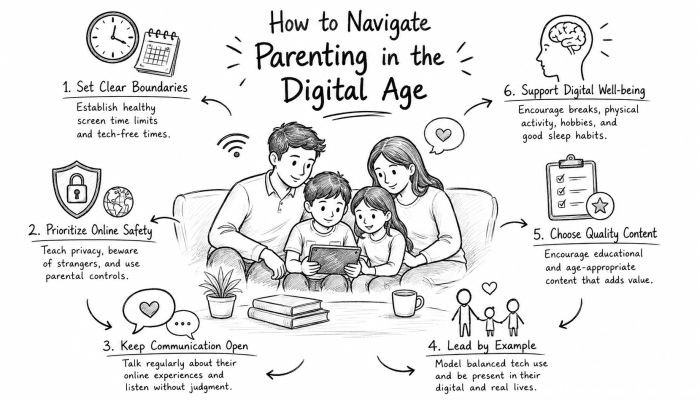 How to Navigate Parenting in the Digital Age
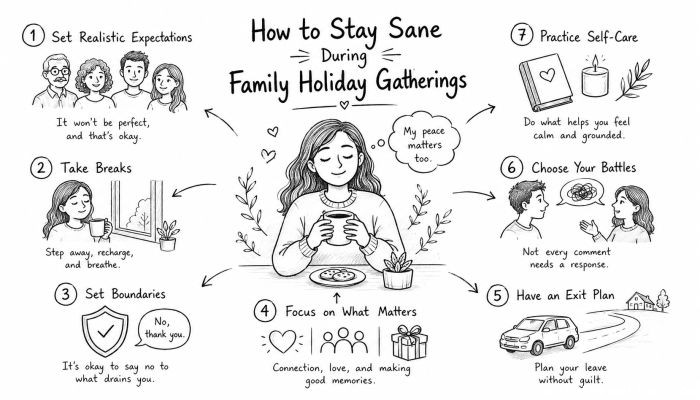 How to Stay Sane During Family Holiday Gatherings
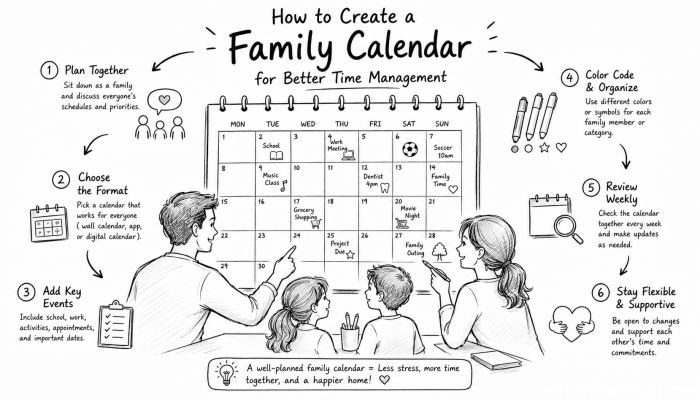 How to Create a Family Calendar for Better Time Management
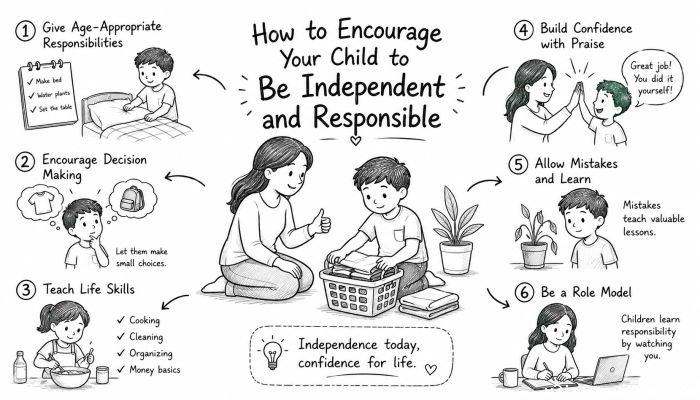 How to Encourage Your Child to Be Independent and Responsible