How to Deal With Burnout and Avoid Overworking Yourself
In today’s fast-paced, hyper-connected world, the pressure to perform and deliver consistently can often lead to a common but serious issue: burnout. Burnout isn’t just feeling tired; it’s a state of emotional, physical, and mental exhaustion caused by prolonged stress and overwork. It can undermine your productivity, damage your relationships, and diminish your overall quality of life. Understanding how to recognize burnout, manage it effectively, and proactively avoid overworking yourself is crucial for maintaining both professional success and personal well-being. This article will explore practical strategies and insights for identifying burnout, recharging your energy, and cultivating a sustainable, balanced approach to work and life. From setting healthy boundaries to embracing mindfulness, we’ll cover the essential tools that empower you to regain control before exhaustion takes its toll.
- Understanding Burnout: What It Really Means
- Identifying the Warning Signs of Burnout
- The Role of Overworking in Burnout
- Setting Realistic Goals and Priorities
- Learning to Say No and Establishing Boundaries
- Incorporating Regular Breaks into Your Day
- Embracing Mindfulness and Stress-Reduction Techniques
- Prioritizing Physical Health: Sleep, Nutrition, and Exercise
- Seeking Support from Others
- Redefining Success and Work-Life Balance
- Utilizing Technology Wisely to Manage Workload
- Planning for Regular Downtime and Vacations
- Conclusion
- More Related Topics
Understanding Burnout: What It Really Means
Burnout is more than just being tired after a long day; it’s a chronic state of overwhelming stress and fatigue that stems from constant work pressure and insufficient recovery time. Symptoms include emotional exhaustion, detachment from work, feelings of inefficacy, and even physical problems such as headaches or sleep disturbances. Recognizing burnout early is crucial because ignoring these symptoms can lead to severe consequences like depression or chronic illnesses. Burnout often develops gradually, creeping into your routine unnoticed until it severely impacts your performance and mental health. Understanding how burnout manifests is the first step toward addressing and preventing it.
Identifying the Warning Signs of Burnout
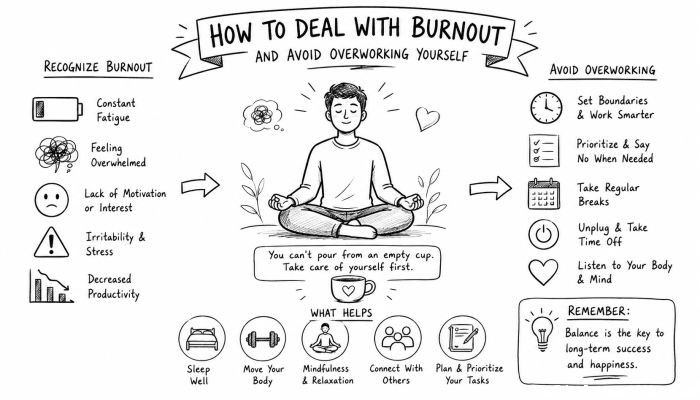
The human mind and body communicate distress signals, and it’s essential to tune in to these signals. Common warning signs of burnout include persistent fatigue, irritability, cynicism about work or colleagues, procrastination, and reduced job satisfaction. Physical signs such as frequent illnesses, insomnia, and changes in appetite often accompany these emotional symptoms. Keeping track of your mood, energy levels, and productivity can help in early detection. If you notice significant shifts in your enthusiasm for work or a growing sense of dread as the workday approaches, it’s time to pause, reflect, and reassess your work habits.
The Role of Overworking in Burnout
Overworking is a primary contributor to burnout. Many cultures glorify long hours and hustle mentality, equating constant busyness with success. However, overworking leads to diminishing returns, where continued effort doesn’t translate into better outcomes but instead breeds exhaustion and mistakes. It disrupts work-life balance, leaving little time for recovery, relaxation, or personal interests. Understanding that working more doesn’t always mean working better is fundamental. Balancing effort and rest enhances creativity, decision-making, and overall job satisfaction.
Setting Realistic Goals and Priorities
One effective way to avoid overwork is by setting realistic, achievable goals. Ambitious targets are motivating, but unrealistic expectations can set you up for frustration and burnout. Prioritize tasks based on importance and deadlines, and break large projects into manageable steps. Use techniques like the Eisenhower Matrix to distinguish between urgent and important tasks, helping you focus on activities that truly matter. Setting clear priorities enables you to delegate, decline non-essential tasks, and create a sustainable workload.
Learning to Say No and Establishing Boundaries
A critical skill in preventing overwork is learning to say no. Often, people overcommit because they want to please others or fear missing opportunities. However, taking on too much can quickly lead to burnout. Establishing boundaries means clearly communicating your limits regarding work hours, availability, and task capacity. It involves being assertive yet respectful in declining additional responsibilities when your plate is full. Healthy boundaries protect your time and energy, allowing you to focus on your core priorities without unnecessary stress.
Incorporating Regular Breaks into Your Day
Taking breaks might seem counterintuitive when deadlines loom, but regular breaks actually boost productivity and focus. The brain can’t maintain peak concentration indefinitely; short pauses help prevent mental fatigue and sustain performance. Techniques like the Pomodoro Technique—working for 25 minutes followed by a 5-minute break—can structure your workday for maximum efficiency. Longer breaks, including lunchtime away from your desk, refresh your mind and reduce stress. Making breaks a non-negotiable part of your routine combats burnout by preventing exhaustion before it starts.
Embracing Mindfulness and Stress-Reduction Techniques
Mindfulness practices, such as meditation, deep breathing, and journaling, have been proven to reduce stress and increase resilience against burnout. Mindfulness encourages you to stay present and fully engage with your current activity, which can alleviate anxiety about future tasks or regrets about past performance. Regular mindfulness practice helps regulate emotional responses, improve focus, and promote a sense of calm amid work pressures. Integrating even a few minutes of mindfulness into your daily routine can significantly bolster your mental well-being.
Prioritizing Physical Health: Sleep, Nutrition, and Exercise
Physical health heavily influences how well you manage stress and avoid burnout. Adequate sleep is vital for cognitive functioning and emotional regulation; chronic sleep deprivation exacerbates feelings of exhaustion and impairs decision-making. Good nutrition fuels your energy and supports brain function, while regular exercise releases endorphins, natural stress-busters that boost mood and vitality. Establishing a healthy lifestyle isn’t a luxury; it’s a necessity for sustainable productivity and emotional health.
Seeking Support from Others
Burnout can feel isolating, but you don’t have to face it alone. Seeking support from colleagues, friends, family, or mental health professionals provides perspective and encouragement. Talking about your feelings and work challenges reduces stigma and opens the door to practical advice or assistance. Some companies offer employee assistance programs or counseling services that can be valuable resources. Building a support network creates a safety net that helps you navigate stressful periods with greater ease.
Redefining Success and Work-Life Balance
A key step in preventing burnout is reevaluating what success means to you. Is it solely professional achievement, or does it include family time, hobbies, and personal growth? Many people fall into the trap of defining their worth by work output alone, neglecting other important life domains. Striving for a balanced life, where work is a part but not the entirety of your identity, fosters long-term satisfaction and health. Setting boundaries and making intentional time for personal interests reaffirm your value beyond the workplace.
Utilizing Technology Wisely to Manage Workload
Technology is a double-edged sword; it can streamline work processes but also blur boundaries and foster constant connectivity. Using productivity apps, task managers, and calendar tools can help organize your workload and remind you to take breaks. Conversely, setting limits on after-hours email checking and notifications preserves your downtime. Being intentional about when and how you use technology prevents the feeling of being "always on," reducing stress and supporting recovery.
Planning for Regular Downtime and Vacations
Finally, scheduling regular downtime and vacations is essential to recharge your mind and body. Continuous work without extended breaks leads to cumulative fatigue and diminished enthusiasm. Vacations allow you to disconnect from work responsibilities and engage in restful or joyful activities, restoring energy and creativity. Even brief getaways or “digital detox” days can have profound effects on mental health. Prioritizing time away from work sends a strong message that your well-being matters just as much as productivity.
Conclusion
Burnout is a pervasive challenge in modern work culture, but it is neither inevitable nor irreversible. By understanding burnout’s symptoms and causes, setting realistic goals, establishing boundaries, and prioritizing holistic self-care, you can reclaim control over your work-life balance. Incorporating mindful stress management, seeking support, and redefining success beyond professional output empowers you to thrive without sacrificing your health. Remember, sustainable productivity stems from a well-nourished mind and body, not from relentless overexertion. Taking proactive steps to manage workload and protect your energy preserves not only your career but also your happiness and fulfillment — making your journey through work richer, healthier, and more rewarding.
 How to Make the Most of Your Holiday Break
 The Best Winter Destinations for a Cozy Getaway
 How to Organize Your Holiday Travel Plans with Ease
 The Ultimate Guide to Cooking for a Crowd
 How to Make Healthy Comfort Food Without the Guilt
 5 Delicious Vegan Breakfast Ideas You Can Make in Minutes