The Importance of Self-Care and How to Incorporate It Daily
In today’s fast-paced, demanding world, the concept of self-care has emerged as a crucial pillar for maintaining physical, mental, and emotional well-being. Often overshadowed by busy schedules, professional ambitions, and social obligations, self-care is frequently misunderstood as a luxury rather than a necessity. However, prioritizing self-care is vital to recharge, manage stress, and cultivate resilience in the face of life's challenges. This article delves into the importance of self-care, explores its multifaceted benefits, and offers practical strategies to seamlessly integrate self-care into daily life. Whether you are a student, professional, caregiver, or anyone juggling multiple responsibilities, understanding and embracing self-care can transform your outlook, productivity, and overall happiness.
- Understanding Self-Care: Beyond Pampering
- The Psychological Benefits of Self-Care
- Physical Health and Self-Care
- Emotional Well-Being Through Self-Care
- Setting Boundaries: A Crucial Aspect of Self-Care
- Incorporating Mindfulness and Meditation
- Prioritizing Sleep: The Underrated Self-Care Practice
- Nutrition as a Daily Act of Self-Care
- Physical Activity: Movement as Medicine
- Social Connections: A Key Component of Self-Care
- Creative Expression and Leisure: Feeding the Soul
- Overcoming Barriers to Consistent Self-Care
- Creating a Personalized Daily Self-Care Plan
- The Role of Technology in Supporting Self-Care
- The Ripple Effect: How Self-Care Benefits Others
- Conclusion: Embracing Self-Care as a Lifelong Commitment
- More Related Topics
Understanding Self-Care: Beyond Pampering
Self-care is much more than occasional indulgences—it is a deliberate and sustained practice of nurturing oneself physically, emotionally, and mentally. While common images of self-care might include spa visits or leisure activities, the concept fundamentally revolves around attentive self-management to maintain health and well-being. It entails recognizing personal limits, respecting one’s needs, and adopting habits that support balance. Self-care ensures that individuals do not deplete themselves but rather maintain their energy reservoirs, allowing them to function optimally in all areas of life.
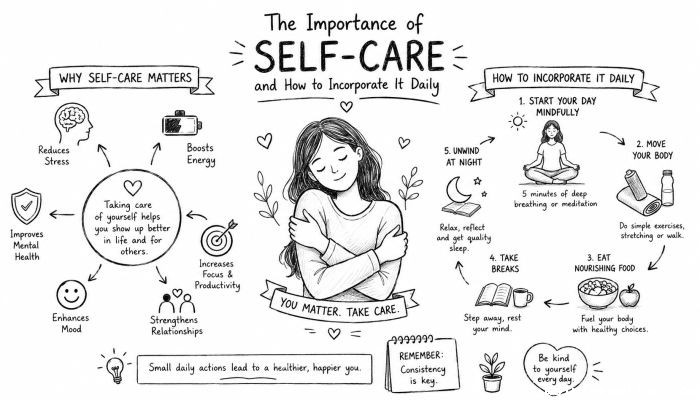
The Psychological Benefits of Self-Care
A consistent self-care routine significantly bolsters mental health by reducing stress and promoting a sense of control. Engaging in mindfulness, relaxation techniques, or simply taking time to pause helps decrease anxiety and depressive symptoms. By prioritizing mental rejuvenation, individuals are less susceptible to burnout and develop better emotional regulation. Regular self-care fosters resilience, enabling one to face daily stressors with calmness and clarity.
Physical Health and Self-Care
Self-care acts as a preventive measure for many physical ailments. Adequate sleep, balanced nutrition, and regular physical activity are foundational self-care actions that boost the immune system, increase energy, and improve overall vitality. Neglecting these aspects can lead to chronic conditions such as obesity, cardiovascular diseases, or sleep disorders. Thus, physical self-care is a dynamic and indispensable part of a healthy lifestyle.
Emotional Well-Being Through Self-Care
Emotional self-care involves recognizing and honoring one’s feelings without judgment. This could be through journaling, talking to trusted friends, or practicing mindfulness. By acknowledging emotions, individuals avoid suppression or denial that can lead to emotional distress. Healthy emotional self-care strengthens self-compassion and nurtures confidence, allowing people to cultivate deeper and more authentic relationships.
Setting Boundaries: A Crucial Aspect of Self-Care
Effective self-care requires the ability to set and maintain boundaries. Learning to say “no” or delegating tasks helps protect personal time and energy. Boundaries prevent exploitation and keep stress levels manageable. Without boundaries, individuals may overextend themselves, leading to exhaustion. Establishing clear limits is a powerful act of self-respect and forms the foundation of sustainable self-care.
Incorporating Mindfulness and Meditation
Mindfulness and meditation are pivotal tools in daily self-care routines. These practices anchor individuals in the present moment, breaking cycles of worry and distraction. Mindfulness improves focus, emotional stability, and stress management. Even brief daily sessions can recalibrate the mind and refresh mental clarity. For many, meditation also sparks a sense of inner peace and spiritual connection.
Prioritizing Sleep: The Underrated Self-Care Practice
Quality sleep remains one of the most neglected components of self-care despite its profound impact on health. Sleep replenishes physical and cognitive systems, supports emotional regulation, and enhances memory. Establishing a regular sleep schedule, creating a soothing bedtime routine, and limiting stimulants improve sleep hygiene. Prioritizing rest is foundational to effectiveness during waking hours.
Nutrition as a Daily Act of Self-Care
Eating nourishing foods fuels the body and mind, underpinning overall well-being. Incorporating a varied diet rich in fruits, vegetables, whole grains, and healthy fats supports energy levels, mental clarity, and emotional stability. Mindful eating—paying attention to hunger cues and savoring meals—enhances digestive health and fosters a positive relationship with food, reinforcing care for oneself.
Physical Activity: Movement as Medicine
Engaging in regular physical activity is a vital self-care strategy that promotes cardiovascular health, boosts mood, and reduces anxiety. Exercise triggers endorphin release, which serves as a natural antidepressant. Whether it’s a brisk walk, yoga, or strength training, integrating movement into daily routines elevates vitality and strengthens the body against stress.
Social Connections: A Key Component of Self-Care
Self-care is not synonymous with isolation. Healthy social interactions enrich emotional health and offer support structures. Maintaining friendships, engaging in community groups, or connecting with family members provides outlets for joy, validation, and empathy. Social engagement fosters a sense of belonging, which is integral to holistic self-care.
Creative Expression and Leisure: Feeding the Soul
Pursuing hobbies and creative outlets can rejuvenate the mind and spirit. Activities such as painting, writing, music, or gardening allow individuals to express themselves and experience flow—an immersive state that reduces stress and enhances happiness. Leisure time, though often undervalued, is essential for recharging and developing a rounded self-care routine.
Overcoming Barriers to Consistent Self-Care
Despite its benefits, many people struggle to implement consistent self-care due to time constraints, guilt, or lack of knowledge. Recognizing these barriers is the first step to overcoming them. Planning small, manageable practices, seeking support, and reframing self-care from a selfish act to one of self-preservation can motivate sustainable habits. Remember, self-care is a dynamic process tailored to unique lifestyles and needs.
Creating a Personalized Daily Self-Care Plan
A successful self-care strategy begins with assessing individual needs and preferences. Setting realistic goals, identifying enjoyable self-care activities, and scheduling time each day help incorporate self-care seamlessly into routines. Whether it’s a five-minute meditation, a healthy meal, or a social call, consistency rather than perfection is key. Flexibility allows adjustment based on changing circumstances, ensuring longevity and effectiveness.
The Role of Technology in Supporting Self-Care
Technology can be a double-edged sword in self-care. While excessive screen time might drain energy, digital tools and apps offer convenient ways to monitor health, practice mindfulness, and connect socially. Guided meditation apps, fitness trackers, and online support communities enable users to integrate self-care into their digital lives meaningfully, enhancing accessibility and motivation.
The Ripple Effect: How Self-Care Benefits Others
Investing in self-care extends beyond personal well-being; it positively impacts relationships and work environments. When individuals are well-rested, emotionally balanced, and physically healthy, they interact more compassionately and productively. Self-care reduces absenteeism, enhances creativity, and alleviates interpersonal conflicts. Thus, caring for oneself ultimately contributes to healthier communities and workplaces.
Conclusion: Embracing Self-Care as a Lifelong Commitment
In conclusion, self-care is a vital, ongoing practice that nurtures the mind, body, and soul. Far from being a luxury, it is a foundational element of a balanced and fulfilling life. By understanding its multifaceted benefits—from mental resilience and physical health to emotional strength and social connection—people can appreciate the importance of integrating self-care daily. Crafting personalized routines and overcoming obstacles enables sustained commitment, enriching both individual well-being and the well-being of those around us. Ultimately, embracing self-care is an empowering choice that honors our intrinsic value and capacity to thrive.
 How to Make the Most of Your Holiday Break
 The Best Winter Destinations for a Cozy Getaway
 How to Organize Your Holiday Travel Plans with Ease
 The Ultimate Guide to Cooking for a Crowd
 How to Make Healthy Comfort Food Without the Guilt
 5 Delicious Vegan Breakfast Ideas You Can Make in Minutes