The Importance of Regular Checkups and Preventative Health
Health often feels invisible—until it isn’t. Many people move through life feeling “fine,” assuming that no symptoms mean no problems. But the truth is that health is something we maintain, not something we wait to lose and then recover. Regular checkups and preventative health care are about staying ahead of illness, not reacting to it. They’re quiet, proactive choices that protect your future self. In a world that celebrates productivity and speed, taking time for routine medical care can feel inconvenient or unnecessary. Yet these small, consistent actions are some of the most powerful investments you can make in your long-term well-being. This article explores why regular checkups and preventative health matter so deeply—physically, emotionally, and financially—and how they help you live not just longer, but better.
- What Preventative Health Really Means
- Why Waiting for Symptoms Can Be Risky
- The Power of Early Detection
- Regular Checkups as a Baseline for Your Health
- Preventative Care Supports Mental and Emotional Well-Being
- Building a Trusting Relationship With Your Healthcare Provider
- How Preventative Health Saves Money Over Time
- The Role of Lifestyle Guidance in Prevention
- Making Preventative Health a Habit, Not a Task
- Addressing Fear Without Letting It Lead
- Preventative Health in a Busy World
- Conclusion
- More Related Topics
What Preventative Health Really Means
Preventative health is not about expecting something to be wrong. It’s about protecting what’s right. It includes routine checkups, screenings, vaccinations, and lifestyle guidance designed to catch potential issues early—or prevent them entirely. Rather than focusing on illness, preventative care focuses on resilience. It supports your body’s ability to function well over time and helps you make informed decisions before problems escalate.
Why Waiting for Symptoms Can Be Risky
Many serious health conditions develop quietly. High blood pressure, diabetes, heart disease, and certain cancers can progress for years without obvious symptoms. By the time discomfort appears, the condition may already be advanced. Regular checkups help identify these silent risks early, when they are most manageable. Prevention is not about fear—it’s about awareness and timing.
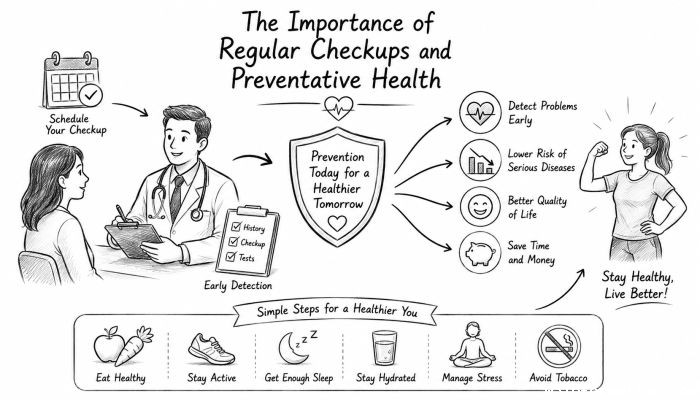
The Power of Early Detection
Early detection saves lives. When health issues are identified in their initial stages, treatment is often simpler, less invasive, and more effective. A routine screening can mean the difference between minor intervention and major medical procedures later. Early detection also reduces emotional stress by providing clarity and options rather than urgent decisions under pressure.
Regular Checkups as a Baseline for Your Health
Think of regular checkups as creating a personal health baseline. Over time, your healthcare provider learns what’s normal for you—your vitals, lab values, and patterns. This context makes it easier to spot subtle changes that might otherwise be dismissed. Health is personal, and consistent monitoring helps tailor care to your unique needs rather than generic averages.
Preventative Care Supports Mental and Emotional Well-Being
Health isn’t only physical. Regular checkups provide space to talk about stress, sleep, mood, and emotional challenges. Addressing mental health early prevents burnout, anxiety, and depression from becoming overwhelming. Knowing that you’re actively caring for your health also brings peace of mind. Prevention reduces the constant background worry of “What if something’s wrong?”
Building a Trusting Relationship With Your Healthcare Provider
Consistent visits help build trust and communication with your healthcare provider. When you see the same professional regularly, conversations become easier and more honest. This relationship encourages you to ask questions, share concerns, and follow guidance more confidently. Trust transforms healthcare from a transactional experience into a supportive partnership.
How Preventative Health Saves Money Over Time
Preventative care is not just good for your body—it’s good for your finances. Treating advanced illness is far more expensive than preventing it. Routine screenings, lifestyle guidance, and early interventions reduce the likelihood of costly hospital stays, medications, and procedures later. Prevention shifts healthcare from crisis management to cost-effective care.
The Role of Lifestyle Guidance in Prevention
Checkups aren’t just about tests; they’re about conversation. Healthcare providers can offer guidance on nutrition, physical activity, sleep, stress management, and habits like smoking or alcohol use. These small adjustments, made early and consistently, have a profound impact on long-term health. Prevention empowers you with knowledge, not judgment.
Making Preventative Health a Habit, Not a Task
The key to consistent checkups is treating them as routine, not reactive. Schedule appointments in advance, set reminders, and pair them with other life routines. When prevention becomes a habit, it loses its emotional weight. It becomes just another way you take care of yourself—like brushing your teeth or getting enough sleep.
Addressing Fear Without Letting It Lead
Fear is one of the most common reasons people avoid medical checkups. But fear thrives in uncertainty. Preventative care replaces fear with information and options. Even when results aren’t perfect, knowing allows you to act. Avoidance delays power; knowledge restores it.
Preventative Health in a Busy World
Modern life is busy, but prevention saves time in the long run. A single checkup can prevent months or years of health complications. When time feels scarce, prevention becomes even more valuable. It’s not another thing on your to-do list—it’s what keeps everything else possible.
Conclusion
Regular checkups and preventative health care are not about expecting the worst—they’re about protecting the best parts of your life. They give you clarity, confidence, and control in a world full of uncertainty. By choosing prevention, you choose early action over emergency reaction, peace of mind over constant worry, and long-term well-being over short-term convenience. Health doesn’t demand perfection—just attention. When you show up consistently for your health, it shows up for you in return. And that quiet, steady relationship with your well-being may be one of the most important commitments you ever make.
 How to Make the Most of Your Holiday Break
 The Best Winter Destinations for a Cozy Getaway
 How to Organize Your Holiday Travel Plans with Ease
 The Ultimate Guide to Cooking for a Crowd
 How to Make Healthy Comfort Food Without the Guilt
 5 Delicious Vegan Breakfast Ideas You Can Make in Minutes