Mobile Phones and Environmental Sustainability
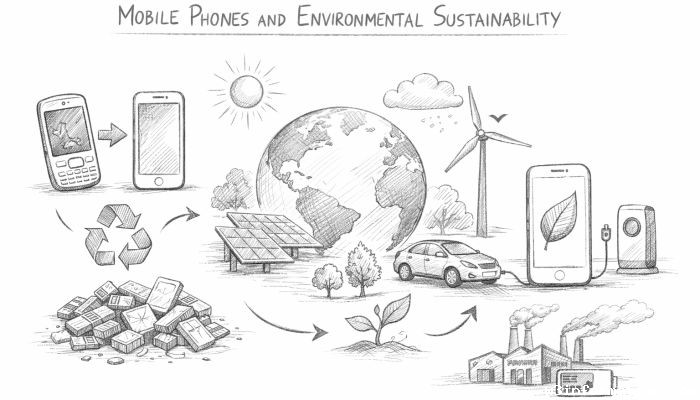
In today’s fast-paced world, mobile phones have become indispensable tools for communication, entertainment, and productivity. With billions of users globally, smartphones have revolutionized the way we live, work, and interact. However, this technological marvel comes with significant environmental consequences that often remain hidden beneath the sleek designs and innovative features. From resource extraction to energy consumption and e-waste generation, mobile phones deeply impact environmental sustainability. Understanding this relationship is critical as consumers, manufacturers, and policymakers strive toward greener practices. This article explores the complex intersection of mobile phones and environmental sustainability, examining the entire lifecycle of these devices, current challenges, potential solutions, and the role of individual and collective action in forging a sustainable digital future.
- The Lifecycle of a Mobile Phone: From Cradle to Grave
- Rare Earth Metals: The Environmental Cost of Mining
- Energy Consumption and Carbon Footprint
- E-Waste: A Growing Global Challenge
- The Role of Design in Environmental Sustainability
- Battery Technology and Environmental Impact
- The Impact of Mobile Networks and Data Usage
- Consumer Behavior and Environmental Implications
- Corporate Responsibility and Industry Initiatives
- Government Policy and Regulation
- Innovations Driving Sustainable Mobile Technology
- The Road Ahead: Balancing Connectivity and Sustainability
- Conclusion
- More Related Topics
The Lifecycle of a Mobile Phone: From Cradle to Grave
The environmental footprint of a mobile phone begins long before it reaches a user’s hand. The lifecycle encompasses raw material extraction, manufacturing, transportation, usage, and disposal. Mining rare earth metals like lithium, cobalt, and tantalum is resource-intensive and often linked to habitat destruction, water pollution, and human rights concerns. Manufacturing consumes vast amounts of energy and water, while also generating hazardous byproducts. Once produced, phones are transported across continents, contributing to greenhouse gas emissions. During the usage phase, energy is consumed both by the device and supporting infrastructure such as cell towers and data centers. Finally, improper disposal or recycling can lead to toxic substances leaching into the environment. Each stage presents unique environmental challenges that cumulatively define the sustainability profile of mobile phones.
Rare Earth Metals: The Environmental Cost of Mining
Rare earth metals are critical to modern smartphones, providing components essential for batteries, screens, and processors. However, these metals are predominantly mined under environmentally damaging conditions. Mining processes require enormous amounts of water and energy, often resulting in deforestation, soil erosion, and contamination of nearby water sources with heavy metals and toxic chemicals. In some regions, mining operations have displaced local communities and contributed to substantial social and ecological degradation. Moreover, scarcity and geopolitical concentration of rare earth elements complicate efforts to secure sustainable supplies. Promoting responsible sourcing and investing in alternative materials or recycling methods could alleviate some environmental pressures associated with rare earth extraction.
Energy Consumption and Carbon Footprint
Mobile phones themselves consume energy, but their broader environmental impact comes from the entire digital infrastructure they rely upon. Manufacturing phones is an energy-intensive process, requiring significant electricity and fossil fuels, particularly during semiconductor fabrication. Additionally, data centers supporting mobile applications and cloud services operate continuously, consuming vast amounts of electricity often generated from non-renewable sources. The carbon footprint associated with data transmission, smartphone charging, and network maintenance adds up substantially when multiplied by billions of active devices worldwide. Encouraging energy efficiency improvements across manufacturing, network operations, and user habits can mitigate the carbon impact of mobile technology.
E-Waste: A Growing Global Challenge
Electronic waste or e-waste is one of the fastest-growing waste streams globally, and mobile phones represent a significant share. Discarded phones often contain hazardous substances such as lead, mercury, cadmium, and brominated flame retardants that pose risks to human health and ecosystems when improperly handled. Unfortunately, many end-of-life devices are not recycled responsibly but dumped in landfills or exported to developing countries, where informal recycling processes expose workers and communities to toxic chemicals. Enhancing collection systems, improving recycling technology, and enforcing stricter regulations are critical steps to reducing the environmental and human health risks posed by mobile phone e-waste.
The Role of Design in Environmental Sustainability
Sustainable design principles can greatly influence the environmental footprint of mobile phones. Manufacturers can adopt modular designs that enable easier repair, upgrades, and recycling, extending device lifespans and reducing waste. Using recyclable or biodegradable materials in housing and packaging also lessens environmental impact. Designing for energy efficiency — such as components that consume less power or batteries with longer life cycles — further supports sustainability goals. Some companies have begun embracing such concepts, but widespread adoption remains limited. Consumers’ demand for longer-lasting, repairable devices can push the industry toward more sustainable design philosophies.
Battery Technology and Environmental Impact
The lithium-ion battery is a cornerstone of mobile phone functionality but raises multiple sustainability concerns. Lithium mining affects fragile ecosystems, while battery production requires rare materials like cobalt, often sourced from regions with ethical challenges. Additionally, battery lifespan and disposal contribute to e-waste problems. Innovations in battery technology, including solid-state batteries, recycling methods, and alternative chemistries, hold promise for reducing environmental impacts. Proper battery recycling infrastructure is crucial to recovering valuable materials and preventing harmful waste. Users also play a role by adopting best practices, such as avoiding overcharging and replacing batteries instead of whole devices.
The Impact of Mobile Networks and Data Usage
Beyond physical devices, mobile phones depend on extensive telecommunications infrastructure including cell towers, servers, and data centers, all of which entail environmental costs. As mobile internet usage rises—driven by streaming, social media, and cloud services—energy demand for data transfer and storage escalates. Video streaming and high-resolution content are particularly energy-intensive. The adoption of 5G promises greater efficiency but also requires increased infrastructure development. Balancing the benefits of enhanced connectivity with its environmental costs requires optimizing network efficiency, utilizing renewable energy sources, and encouraging mindful data consumption among users.
Consumer Behavior and Environmental Implications
Consumer choices significantly influence the environmental footprint of mobile phones. The culture of frequent upgrades driven by innovation cycles and marketing leads to premature disposal of otherwise functional devices. Unboxing new phones often includes unnecessary packaging contributing to waste. Encouraging behaviors such as longer device use, utilizing repair services, purchasing refurbished phones, and responsible recycling can reduce environmental stresses. Educating consumers on the hidden environmental costs associated with their phones and promoting a shift from consumption to sustainability is necessary for collective impact.
Corporate Responsibility and Industry Initiatives
Several mobile phone manufacturers and tech companies have begun embracing sustainability commitments. Initiatives include using recycled materials, reducing carbon emissions in supply chains, improving energy efficiency of devices and data centers, and supporting recycling programs. Some brands offer trade-in programs to encourage responsible disposal, while others invest in renewable energy or ethical sourcing practices. However, transparency and verifiable progress vary widely. Stakeholders increasingly demand corporate accountability, and integrating sustainability into business strategy is becoming a competitive advantage in the industry.
Government Policy and Regulation
Regulatory frameworks play a crucial role in managing the environmental impact of mobile phones. Governments can enforce regulations that mandate responsible e-waste recycling, product durability standards, transparent supply chains, and limits on hazardous substances. Policies incentivizing sustainable design, extended producer responsibility, and consumer awareness campaigns support systemic change. International cooperation is necessary to tackle issues like e-waste dumping and raw material sourcing. Emerging directives such as the European Union’s Circular Economy Action Plan exemplify efforts to embed sustainability into technology sectors. Stronger legislation coupled with effective enforcement can drive meaningful environmental improvements.
Innovations Driving Sustainable Mobile Technology
Emerging technologies and innovative approaches offer hopeful pathways to greener mobile phones. Advances in biodegradable materials, energy harvesting components, and low-power chips can reduce resource consumption and waste. Circular economy models emphasizing refurbishment, component reuse, and leasing schemes challenge traditional ownership paradigms. Artificial intelligence helps optimize energy use in networks and devices. Furthermore, blockchain technology can enhance transparency in supply chains, ensuring ethical sourcing. While some innovations are still nascent or costly, scaling sustainable technologies is key to aligning the mobile phone industry with environmental goals.
The Road Ahead: Balancing Connectivity and Sustainability
As mobile phones continue to integrate deeper into daily life and global economies, harmonizing technological advancement with environmental stewardship remains a critical challenge. Sustainability in the mobile phone sector demands coordinated efforts across manufacturing, design, policy, consumer behavior, and innovation. Embracing principles of reduce, reuse, and recycle alongside energy efficiency and ethical sourcing sets the foundation for sustainable mobile technology. Ultimately, achieving environmental sustainability in this realm supports broader objectives of climate change mitigation, resource conservation, and social equity, ensuring that the benefits of mobile connectivity endure without compromising the planet’s health.
Conclusion
Mobile phones, while emblematic of modern progress, carry substantial environmental costs throughout their lifecycle—from the extraction of rare earth metals to energy consumption, e-waste generation, and network-related emissions. Addressing these impacts requires a multifaceted approach involving sustainable design, responsible sourcing, energy efficiency, robust recycling, informed consumer behavior, and supportive policies. Industry initiatives and technological innovations offer promising avenues for reducing the environmental footprint of mobile devices. However, the responsibility extends beyond manufacturers to governments, consumers, and technology providers collectively. By embracing environmental sustainability as an integral priority, the mobile phone sector can evolve toward a future where technological connectivity and ecological preservation coexist harmoniously, safeguarding resources and communities for generations to come.
 How to Make the Most of Your Holiday Break
 The Best Winter Destinations for a Cozy Getaway
 How to Organize Your Holiday Travel Plans with Ease
 The Ultimate Guide to Cooking for a Crowd
 How to Make Healthy Comfort Food Without the Guilt
 5 Delicious Vegan Breakfast Ideas You Can Make in Minutes