The Pros and Cons of Prepaid vs Postpaid Mobile Plans
In today’s fast-paced digital world, mobile phones have become indispensable tools for communication, entertainment, and work. Choosing the right mobile plan is crucial to ensure seamless connectivity without breaking the bank. Among the most common options are prepaid and postpaid plans, each with distinct features that cater to different user preferences and lifestyles. Prepaid plans often appeal to those seeking control and flexibility, while postpaid plans tend to offer convenience and additional services. Understanding the pros and cons of each can help consumers make informed decisions that match their usage patterns and financial goals. This article delves into the nuances of prepaid and postpaid mobile plans, outlining their advantages and disadvantages to guide you toward the best choice for your needs.
- Understanding Prepaid Mobile Plans
- Exploring Postpaid Mobile Plans
- Cost Control in Prepaid Plans
- Benefits of Postpaid Plans for Heavy Users
- Contractual Obligations: Flexibility versus Commitment
- Credit Checks and Eligibility
- Convenience and Billing Transparency
- Data Speeds and Network Prioritization
- Device Availability and Financing Options
- Suitability for Different Demographics
- Impact on Usage Habits and Spending Behavior
- Emerging Trends: Hybrid and Flexible Plans
- Conclusion
- More Related Topics
Understanding Prepaid Mobile Plans
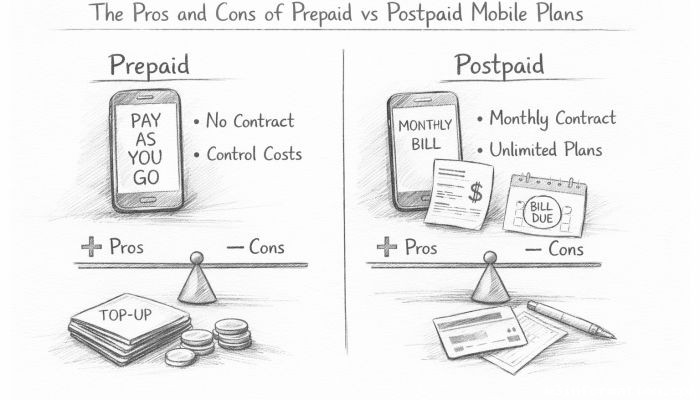
Prepaid mobile plans require users to pay upfront for a set amount of service, including minutes, texts, and data. Users purchase credit before enjoying services, and once the balance is exhausted, the service stops until more credit is added. This pay-as-you-go structure allows for control over spending without the risk of unexpected charges. Prepaid plans typically do not involve contracts, making them flexible and accessible, especially for those wary of long-term commitments or with fluctuating usage patterns.
Exploring Postpaid Mobile Plans
Postpaid plans operate on a billing cycle where users consume services first and pay afterward, usually monthly. Subscribers often enter into contracts ranging from one to two years, locking them into fixed monthly payments. Postpaid plans generally include greater data allowances and additional perks such as device financing, family plans, or bundled offers. They provide a seamless experience with consistent service availability, billing convenience, and often priority customer support.
Cost Control in Prepaid Plans
One of the biggest advantages of prepaid plans is cost control. Since users must pay ahead of usage, they can avoid the surprise of high bills at month-end. This model is especially beneficial for budget-conscious individuals or those with irregular income, enabling them to allocate exactly what they can afford on mobile services. Moreover, numerous prepaid plans offer customizable bundles, allowing users to buy data, calls, or texts as needed, which reduces unnecessary spending.
Benefits of Postpaid Plans for Heavy Users
Postpaid plans are typically preferable for heavy users who consume large amounts of data, call minutes, or messages. Because these plans often include unlimited or high-data packages, users don’t need to worry about topping up frequently. Additionally, postpaid plans may come with perks like international roaming, premium customer service, or device subsidies, which are appealing to professionals or travelers who require comprehensive connectivity solutions.
Contractual Obligations: Flexibility versus Commitment
A key point of differentiation between prepaid and postpaid plans lies in commitment levels. Prepaid plans usually have no contracts, allowing users to switch carriers or plans at any time without penalties. This flexibility appeals to users who prioritize freedom and dislike being locked into long-term deals. Conversely, postpaid plans generally come with contracts that may include termination fees if canceled early. Although this can be seen as a disadvantage, it often comes with the benefit of better deals or discounts for committing to a service provider.
Credit Checks and Eligibility
Postpaid plans often require credit checks before approval because the service is provided before payment. This requirement can exclude individuals with poor credit scores or those new to the credit system, such as students or recent immigrants. On the other hand, prepaid plans do not typically demand credit checks, making them accessible to a wider demographic. This inclusiveness is invaluable for people who struggle to obtain postpaid plans due to financial or credit history constraints.
Convenience and Billing Transparency
Postpaid plans offer the convenience of consolidated monthly billing. Instead of multiple small recharges, users receive a single bill detailing their usage and charges, which can simplify financial tracking. Additionally, many carriers provide online portals and apps that help users monitor their consumption. Prepaid users need to proactively manage their balance and recharge regularly, which can be less convenient but promotes mindful usage and spending awareness.
Data Speeds and Network Prioritization
In some markets, network providers prioritize postpaid plan subscribers over prepaid users, especially during peak usage times. This potential difference in data speeds and call quality can influence user experience, particularly for those who rely heavily on their devices. While many carriers now provide equitable service, it's worth considering if superior network priority is a critical factor in your mobile choice.
Device Availability and Financing Options
Postpaid plans often include options to finance a smartphone through monthly installments, allowing users to acquire expensive devices without upfront payments. This perk enables access to the latest technology, which might not be affordable otherwise. Prepaid plans, being pay-as-you-go, typically require users to purchase devices outright, which can be a barrier for some but also avoids long-term debt.
Suitability for Different Demographics
Prepaid plans are commonly favored by younger users, travelers, or those with erratic phone usage, such as retirees or occasional callers, due to their adaptability and no-strings-attached nature. Postpaid plans, by contrast, appeal more to business professionals, families, or heavy phone users who benefit from bundled services, extensive data plans, and device subsidies. Choosing the right plan often depends on evaluating personal or household phone habits and financial planning.
Impact on Usage Habits and Spending Behavior
Users on prepaid plans tend to be more mindful of their consumption because they pay in advance and service stops once credit runs out. This incentivizes limiting non-essential usage and avoiding overage fees. Postpaid users might exhibit less cautious behavior, assuming unlimited usage or overage protections, which can sometimes result in unexpectedly high bills. Recognizing these behavioral patterns can assist in selecting a plan that promotes healthy spending habits.
Emerging Trends: Hybrid and Flexible Plans
The telecom industry is evolving, introducing hybrid models that combine prepaid flexibility with postpaid conveniences. Some carriers offer plans with no contracts but monthly billing or prepaid plans with rollover data and carryover credit. These innovations aim to bridge the gap between traditional prepaid and postpaid advantages, offering tailored solutions for a diversified user base seeking the best of both worlds.
Conclusion
Choosing between prepaid and postpaid mobile plans involves weighing flexibility, cost control, commitment, and the tailored benefits each offers. Prepaid plans excel in budget management, accessibility, and freedom, making them ideal for cautious spenders and intermittent users. Postpaid plans provide convenience, enhanced services, and device financing, catering well to heavy users and those seeking integrated solutions. Understanding these distinctions empowers consumers to align their mobile plan choice with personal usage habits and financial priorities. As the telecom landscape continues evolving with hybrid options, users gain increasingly nuanced choices that combine flexibility with premium service, promising a more personalized mobile experience in the future. Ultimately, the best plan is one that balances cost, convenience, and connectivity in harmony with individual lifestyle needs.
 How to Make the Most of Your Holiday Break
 The Best Winter Destinations for a Cozy Getaway
 How to Organize Your Holiday Travel Plans with Ease
 The Ultimate Guide to Cooking for a Crowd
 How to Make Healthy Comfort Food Without the Guilt
 5 Delicious Vegan Breakfast Ideas You Can Make in Minutes