The Impact of Mobile Devices on Education
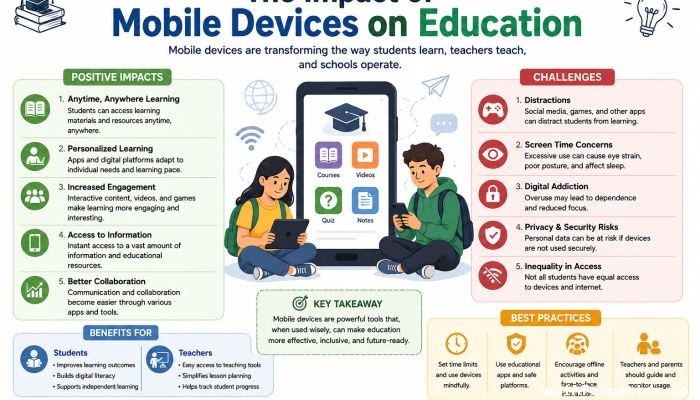
In today's digitally driven world, mobile devices have become ubiquitous tools, deeply integrated into almost every facet of life—including education. Smartphones, tablets, and laptops have transformed how students learn, teachers instruct, and educational content is delivered. The rise of mobile technology has reshaped traditional educational models, enabling access to knowledge anytime and anywhere, fostering collaboration, and personalizing learning experiences. This article explores the multifaceted impact of mobile devices on education, examining how they influence teaching methodologies, student engagement, accessibility, and educational outcomes. Beyond convenience, mobile devices pose challenges such as distraction and equity concerns. Understanding their role in education is key to harnessing their potential to create more inclusive, effective, and innovative learning environments. Join us as we delve into the transformative journey of mobile technology in the educational landscape.
- Evolution of Mobile Devices in Education
- Enhancing Student Engagement through Interactive Learning
- Facilitating Personalized Learning Experiences
- Bridging Educational Gaps through Accessibility
- Supporting Collaborative Learning and Communication
- Challenges of Distraction and Overuse
- Impact on Teaching Methodologies
- Mobile Devices and Assessment Innovation
- Encouraging Lifelong Learning and Skill Development
- Ethical Concerns and Privacy Issues
- The Role of Educators in Mobile-Driven Classrooms
- Future Trends: Mobile Devices Shaping Education Ahead
- Conclusion
- More Related Topics
Evolution of Mobile Devices in Education
The integration of mobile devices in education has evolved from early computer labs to handheld devices that fit in a student’s pocket. Initially, desktop computers and laptops were the primary digital tools in classrooms. However, as mobile technology advanced, tablets and smartphones became prevalent due to their portability and affordable pricing. This evolution has enabled a more flexible learning experience, moving education beyond the traditional classroom walls. Today’s mobile devices support a wide range of educational apps and platforms that cater to various subjects and learning styles, providing students and teachers with tools that were once unimaginable. This evolution reflects a shift towards learner-centered education, facilitated by the accessibility of mobile devices.
Enhancing Student Engagement through Interactive Learning
Mobile devices have revolutionized student engagement by enabling interactive and multimedia-rich content. Unlike passive textbook reading, educational apps and platforms incorporate videos, quizzes, games, and simulations that make learning more dynamic and captivating. Augmented reality (AR) and virtual reality (VR) apps accessible via mobile devices further enhance engagement by creating immersive experiences. These interactive elements stimulate curiosity and motivate students to explore concepts in depth. Additionally, gamification techniques integrated into mobile learning apps promote healthy competition and reward progress, which can increase motivation to learn. As a result, students are more focused and interested in their studies than in traditional approaches.
Facilitating Personalized Learning Experiences
One of the most significant impacts of mobile devices in education is their ability to support personalized learning. With adaptive learning software, mobile apps can analyze a student’s performance and tailor content to their individual needs and pace. This customization helps address diverse learning preferences—whether visual, auditory, or kinesthetic—and fosters mastery of concepts before moving forward. Teachers also benefit, as mobile analytics provide insights into student progress, allowing for targeted interventions. Personalized learning not only enhances academic outcomes but also boosts student confidence by ensuring learners encounter appropriate challenges. The flexibility of mobile devices means that learning can happen anytime and anywhere, accommodating different schedules and lifestyles.
Bridging Educational Gaps through Accessibility
Mobile devices have played a critical role in making education more accessible to marginalized and remote communities. With internet connectivity and portable gadgets, students in rural or underserved areas can access quality educational resources that were once out of reach. Mobile learning breaks down barriers related to geography and infrastructure, enabling learners to participate in MOOCs (Massive Open Online Courses), virtual classrooms, and digital libraries. Additionally, devices come with assistive technologies that support learners with disabilities, such as text-to-speech, screen magnifiers, and voice commands, promoting inclusivity. This democratization of education ensures a broader spectrum of students can engage in meaningful learning experiences.
Supporting Collaborative Learning and Communication
Mobile devices facilitate peer collaboration and communication in ways that transcend physical boundaries. Messaging apps, discussion forums, and collaborative platforms enable students to work jointly on projects, share ideas, and solve problems collectively. This connectivity encourages social learning, which is essential for developing critical thinking and interpersonal skills. Teachers can also foster group work through mobile-based tools that track contributions and progress. Beyond classroom interaction, mobile devices connect students to global communities, exposing them to diverse perspectives and knowledge bases. The seamless communication afforded by mobile technology nurtures a culture of cooperation and shared learning.
Challenges of Distraction and Overuse
Despite their benefits, mobile devices present notable challenges in education, chiefly the risk of distraction. Social media, gaming, and entertainment apps can divert attention away from learning tasks. Managing device usage in classrooms requires effective policies and monitoring to ensure students stay focused. Furthermore, excessive screen time may impact students’ health, contributing to eye strain, reduced physical activity, and sleep disturbances. Educators and parents face the task of teaching digital discipline and encouraging balanced device use. Addressing these challenges is crucial to harnessing mobile devices as effective educational tools without letting them undermine learning.
Impact on Teaching Methodologies
Mobile devices have catalyzed a transformation in teaching methodologies from traditional lecture-based instruction to more interactive and student-centered approaches. Teachers now utilize mobile apps for real-time assessments, instant feedback, and multimedia presentations. Flipped classrooms, where students review lecture materials via mobile devices outside class and engage in hands-on activities during class, have gained popularity. Moreover, mobile platforms enable differentiated instruction, catering to students’ varied levels and interests. This pedagogical shift not only improves learning efficiency but also encourages teachers to innovate and adapt continually, leveraging technology to enrich their teaching repertoire.
Mobile Devices and Assessment Innovation
Assessment practices have also evolved with mobile devices. Digital quizzes, polls, and formative assessments conducted via mobile applications offer immediate results, allowing teachers to adjust instruction dynamically. Mobile devices support diverse formats beyond traditional tests, including video presentations, portfolios, and interactive assignments. This flexibility provides a more holistic evaluation of student learning. Automated grading systems reduce teachers’ workloads, enabling more time for personalized student support. However, maintaining academic integrity in mobile-based assessments remains a challenge, necessitating strategies like randomized questions and proctoring software.
Encouraging Lifelong Learning and Skill Development
Mobile devices foster lifelong learning by making educational content accessible beyond formal schooling. The vast availability of online courses, tutorials, and informational resources encourages learners of all ages to acquire new skills and knowledge continually. Mobile technology promotes self-directed learning, critical in a rapidly changing job market where adaptability and upskilling are essential. Apps dedicated to language learning, coding, problem-solving, and creativity help users build practical competencies. This constant engagement with education through mobile devices nurtures a culture where learning is viewed as a continuous journey rather than a finite phase.
Ethical Concerns and Privacy Issues
The incorporation of mobile devices in education raises ethical concerns, particularly about data privacy and security. Educational apps often collect user data, including personal information and learning habits, which can be vulnerable to misuse or breaches. Schools and developers must comply with regulations like COPPA and GDPR to protect students, especially minors. Additionally, ethical questions arise around digital equity, as not all students have equal access to mobile devices and reliable internet, potentially widening educational disparities. Addressing these concerns involves implementing robust security measures, transparent policies, and ensuring fair access to technology for all learners.
The Role of Educators in Mobile-Driven Classrooms
While mobile devices offer powerful tools, the role of educators remains central in guiding effective usage. Teachers act as facilitators who integrate technology thoughtfully into curricula, balancing digital and traditional methods. They provide critical support in developing students’ digital literacy and responsible device use. Professional development is essential to equip educators with skills needed to harness mobile technologies confidently and creatively. Furthermore, educators help contextualize information accessed via devices, encouraging critical thinking and discernment. Ultimately, the success of mobile learning hinges on skilled educators who can mediate technology’s benefits and limitations.
Future Trends: Mobile Devices Shaping Education Ahead
Looking forward, the fusion of mobile devices with emerging technologies such as artificial intelligence (AI), 5G connectivity, and immersive AR/VR will further revolutionize education. AI-driven tutoring systems accessible via mobile devices will offer even more personalized learning experiences, analyzing emotional and cognitive states to adapt instruction in real-time. Enhanced network speeds and edge computing will ensure smooth delivery of high-quality, interactive content globally. As these innovations mature, mobile learning will become more seamless, inclusive, and engaging. Preparing for these trends requires ongoing adaptation by educators, policy makers, and technology developers to maximize the benefits for future generations of learners.
Conclusion
Mobile devices have undeniably transformed education, permeating every aspect from engagement and personalization to accessibility and assessment. They empower learners and educators with unprecedented resources, flexibility, and connectivity while posing challenges related to distraction, equity, and privacy. The impact of mobile technology in education is multifaceted and ongoing, demanding thoughtful integration to harness its full potential. As educational landscapes continue to evolve, mobile devices will remain pivotal in shaping how knowledge is accessed, shared, and constructed. By embracing the opportunities and addressing the challenges thoughtfully, educators and learners alike can thrive in an increasingly mobile and connected world, fostering inclusive and innovative learning environments for all.
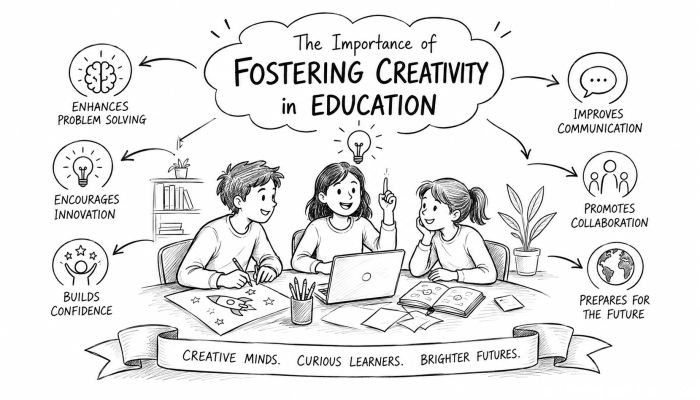 The Importance of Fostering Creativity in Education
 How to Plan a Family Movie Night Everyone Will Enjoy
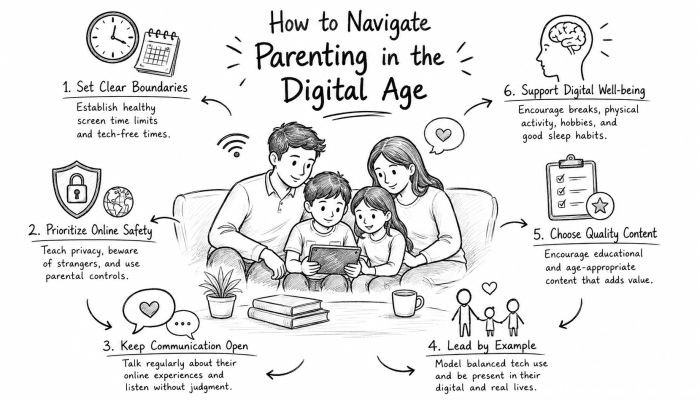 How to Navigate Parenting in the Digital Age
 How to Stay Sane During Family Holiday Gatherings
 How to Create a Family Calendar for Better Time Management
 How to Encourage Your Child to Be Independent and Responsible