How to Plan a Solo Travel Adventure and Stay Safe
Traveling solo offers a unique blend of freedom, self-discovery, and adventure. The chance to explore new destinations on your own terms can be both exhilarating and empowering. Yet, venturing out alone also comes with its own set of challenges, particularly concerning safety and logistics. Whether this is your first solo trip or you’re a seasoned traveler seeking to refine your approach, knowing how to plan carefully and safeguard yourself on the journey is essential. This guide will walk you through the fundamental steps to design an enriching solo travel adventure while maintaining your well-being. From selecting the perfect destination to setting up safety protocols, you’ll gain practical tips and thoughtful advice to ensure your solo journey is not only memorable but also safe and enjoyable.
- Choosing the Right Destination for Solo Travel
- Researching and Planning Your Itinerary
- Budgeting for Solo Travel
- Booking Safe and Comfortable Accommodations
- Preparing Your Travel Documents and Essentials
- Staying Connected: Communication and Technology
- Practicing Situational Awareness and Personal Safety
- Navigating Transportation Safely
- Keeping Health and Wellness in Check
- Engaging with Locals and Fellow Travelers Wisely
- Handling Emergencies While Traveling Solo
- Reflecting and Documenting Your Solo Travel Experience
- Conclusion: Embracing Solo Travel with Confidence and Caution
- More Related Topics
Choosing the Right Destination for Solo Travel
Selecting your travel destination is the first and arguably one of the most crucial steps to a successful solo trip. Consider places with a reputation for being safe, welcoming, and easy to navigate for solo travelers. Factors such as language barriers, cultural norms, crime rates, and infrastructure should weigh heavily in your decision. Popular solo travel spots like Japan, Iceland, New Zealand, and Portugal offer a balance of adventure and comfort, often making them favorites for first-timers. Research local customs to avoid faux pas and identify locations with vibrant solo travel communities or hostel options to make connecting with others easier. Ultimately, pick a destination that aligns with your interests and comfort level but also challenges you enough to experience personal growth.

Researching and Planning Your Itinerary
Once you have your destination, the next step is crafting your itinerary. Unlike group travel, solo trips offer flexibility, but having a rough plan helps maximize your experience and reduces unnecessary risks. Prioritize must-see attractions but avoid overpacking your schedule to allow spontaneous exploration. Use tools like Google Maps, travel blogs, and apps such as TripAdvisor to identify sights, dining options, and transport connections. Schedule rest days to avoid burnout and keep realistic expectations for daily activities. Booking some accommodations and transport in advance—especially for remote or busy areas—ensures smoother transitions and fewer surprises. Your itinerary should strike a balance between thorough preparation and the freedom to embrace impromptu moments.
Budgeting for Solo Travel
Budget planning is a critical component that often determines the success and stress levels of your solo travel. Traveling alone means that you bear the full cost yourself, so setting a clear budget tailored to your trip’s length and location is a smart move. Include categories such as lodging, food, local transport, activities, emergency funds, and souvenirs. Be mindful of hidden costs like airport transfers, tourist taxes, and Wi-Fi charges. Saving a buffer for unforeseen expenses can prevent financial anxiety. For example, choosing affordable accommodations like hostels, guesthouses, or Airbnb can free up funds for experiences or emergencies. Some destinations may offer discount cards for attractions or transport, which can be cost-saving. Meticulous budgeting ensures your adventure remains enjoyable without financial pitfalls.
Booking Safe and Comfortable Accommodations
Your choice of accommodation significantly influences your overall solo travel experience and safety. Opt for reputable accommodations with strong reviews from solo travelers. Hostels are often great for socializing but examine their security protocols, such as lockers and reception times. Hotels or guesthouses with 24/7 front desks can offer peace of mind. Location matters too; staying close to public transport and areas with good lighting makes coming and going safer, especially at night. If using platforms like Airbnb, check for verified hosts and reviews. Request accommodations that provide female-only dorms or private rooms if privacy or security is a priority. Reading recent traveler feedback helps spot any red flags beforehand.
Preparing Your Travel Documents and Essentials
Before you embark, organizing essential documents and travel gear can prevent last-minute headaches. Ensure your passport is valid for at least six months beyond your return date and check visa requirements for your destination. Make multiple copies of important documents—passport, visa, travel insurance, emergency contacts—and store them separately or digitally. Register with your country’s embassy or consulate, especially for long stays. Pack essentials like a universal adapter, power bank, first aid kit, and weather-appropriate clothing. Consider bringing a money belt or hidden pouch for valuables. Travel apps for translations, maps, and emergency numbers can be lifesavers. Having well-prepared documents and gear enables a smoother, safer journey.
Staying Connected: Communication and Technology
Maintaining communication channels is vital to solo traveler safety. Purchase a local SIM card or an international roaming plan to ensure continuous connectivity. Carry a smartphone loaded with useful apps for navigation, language help, and emergency alerts. Messaging platforms like WhatsApp and Skype keep you in touch with family and friends, who can check in with you regularly. Share your itinerary with a trusted contact and establish check-in times. Portable chargers assure your devices stay powered on the go. Additionally, consider using VPNs to keep your browsing secure on public Wi-Fi. Being technologically connected and prepared reduces risks related to isolation and emergencies.
Practicing Situational Awareness and Personal Safety
Developing situational awareness is one of the most important skills for maintaining personal safety while traveling solo. Pay attention to your environment, the people around you, and any unusual behavior without letting paranoia take over. Keep your belongings secure and avoid distractions such as excessive phone use in unfamiliar areas. Trust your instincts—if a situation feels off, remove yourself. When out at night, stick to well-lit, populated streets, and use registered taxis or rideshares. Learning basic self-defense moves or carrying personal safety devices like whistles or pepper spray (where legal) can provide confidence. Solo travel safety is often about prevention through mindfulness rather than confrontation.
Navigating Transportation Safely
Transportation methods vary by destination and can pose unique challenges for solo travelers. Plan your routes ahead, whether by public transit, taxi, or rental car. Prefer official or verified transport services to reduce scams or unsafe rides. If renting a vehicle, familiarize yourself with local driving laws and road conditions. In urban areas, opt for ride-sharing applications where drivers are vetted, and trips are traceable. Use navigation apps to avoid getting lost, and don’t hesitate to ask locals or hotel staff for travel advice. When using public transport, keep your belongings close and be aware of pickpockets during busy hours. Safe and well-planned transportation supports both your schedule and security on the road.
Keeping Health and Wellness in Check
Solo travel can be mentally and physically taxing if you neglect your health. Stay hydrated, eat balanced meals, and get enough sleep to keep your energy and immune system robust. Carry a basic first aid kit and know where nearby pharmacies or clinics are located. Monitor food and water safety, especially in developing countries, to avoid illness. If you take regular medication, bring enough for your entire trip plus extra. Mental wellness is equally important; solo travel can sometimes lead to loneliness or anxiety, so make time for activities that relax you, such as journaling, yoga, or meditation. Additionally, connecting with fellow travelers or locals can provide social support. Prioritizing health ensures you enjoy your journey more fully.
Engaging with Locals and Fellow Travelers Wisely
One of the joys of solo travel is meeting new people, but it’s essential to approach interactions with openness balanced by caution. Join group tours, cooking classes, or local events to meet like-minded individuals in safe settings. Hostels and cafes popular among travelers are good hubs for socializing. When engaging with locals, be respectful of cultural differences and personal boundaries. Avoid oversharing personal information or accepting drinks and rides from strangers. Building genuine connections can enrich your experience and provide valuable insight, but always prioritize your comfort and safety. Remember, it’s okay to say no and walk away from situations that feel uncomfortable.
Handling Emergencies While Traveling Solo
Despite careful planning, emergencies can occur. Preparing for unexpected situations is a hallmark of responsible solo travel. Keep a list of emergency contacts, including local authorities, your country’s embassy, nearby hospitals, and trusted friends or family. Carry a small amount of emergency cash separate from your regular wallet. Familiarize yourself with basic first aid and consider travel insurance that covers medical and theft issues. In case of lost documents or belongings, know how to report the loss and replace important identification. Stay calm and think clearly; panic can cloud judgment. By anticipating emergencies, you empower yourself to act effectively and protect your well-being.
Reflecting and Documenting Your Solo Travel Experience
After days filled with exploration, reflection consolidates your solo travel’s transformative power. Keeping a travel journal or blog can help document your experiences, thoughts, and growth. Photographs and videos serve as vivid reminders of moments that challenged and delighted you. Reflecting on what worked and what didn’t can inform future travel plans and personal development. Many solo travelers find that journaling enhances mindfulness and gratitude. Sharing stories with fellow travelers or on social media can inspire others in their solo adventures. Ultimately, reflecting solidifies your journey’s lessons and celebrates the courage it took to embark on your solo travel adventure.
Conclusion: Embracing Solo Travel with Confidence and Caution
Planning a solo travel adventure demands a thoughtful blend of meticulous preparation and openness to the unexpected. By carefully selecting your destination, budgeting wisely, and prioritizing your safety through informed decisions, you set the foundation for a fulfilling solo journey. Embrace technology, maintain situational awareness, and stay connected both digitally and interpersonally to safeguard yourself along the way. Always keep health, wellness, and cultural respect at the forefront of your adventure. Solo travel offers not only breathtaking experiences but also personal empowerment and growth. When approached with confidence, caution, and a curious spirit, a solo trip can become one of life’s most rewarding journeys—where every challenge met adds to your resilience and every new friendship enriches your story.
 Big O Notation Explained for Beginners
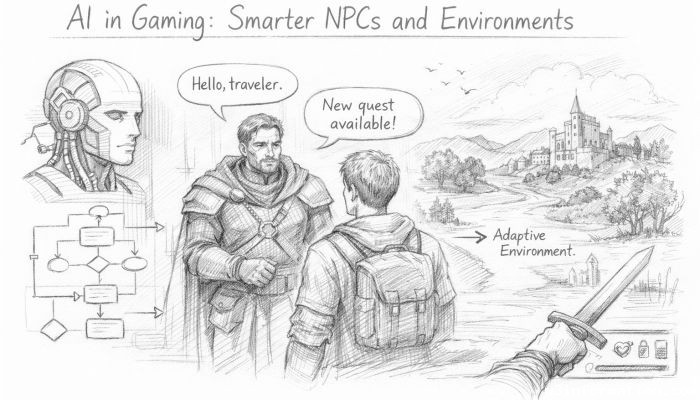 AI in Gaming: Smarter NPCs and Environments
 Understanding Bias in AI Algorithms
 Introduction to Chatbots and Conversational AI
 How Voice Assistants Like Alexa Work
 Federated Learning: AI Without Sharing Data