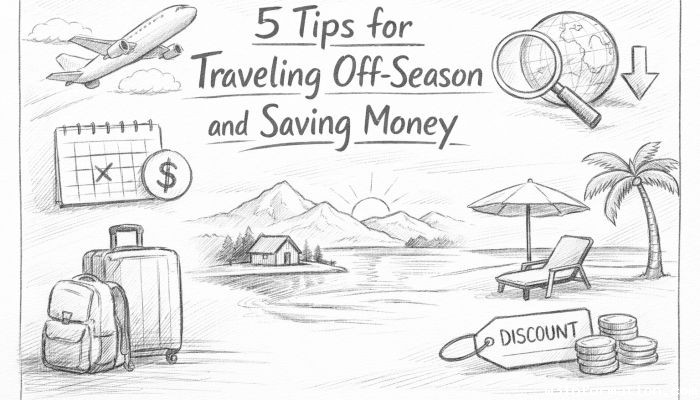
5 Tips for Traveling Off-Season and Saving Money
Traveling is often seen as an exciting adventure, a chance to explore new cultures, landscapes, and experiences. However, peak tourist seasons can bring crowds, inflated prices, and long wait times, dampening the joy of any trip. Enter off-season travel: a savvy approach that offers unique opportunities for both exploration and savings. Traveling off-season means visiting destinations during their less popular times, which often coincides with fewer tourists, lower costs, and a more authentic local experience. Whether you’re seeking to escape the summer rush, avoid winter chills, or simply save money, understanding how to navigate off-season travel effectively can transform your journey. This article offers five essential tips to help you maximize savings and enjoyment when venturing off the beaten path and outside prime travel times. From timing to accommodations and local insights, these strategies will ensure your next trip is both economical and enriching.
- Research the Destination’s Off-Season Period
- Be Flexible with Travel Dates and Destinations
- Take Advantage of Lower Accommodation Costs
- Use Public Transportation and Local Deals
- Pack Smart and Prepare for Variable Weather
- Embrace Slow Travel and Quality Experiences
- Book Flights and Accommodations in Advance
- Take Advantage of Travel Rewards and Loyalty Programs
- Avoid Tourist Traps and Opt for Authentic Local Dining
- Leverage Free and Low-Cost Attractions
- Plan for Longer Stays to Get Extra Discounts
- Stay Informed About Travel Advisories and Safety
- Conclusion
- More Related Topics
Research the Destination’s Off-Season Period
Understanding when a destination’s off-season occurs is crucial to planning a successful and economical trip. Off-season varies from place to place, often determined by climate, holidays, and local demand. For instance, Caribbean islands see an off-season during their hurricane months, while European cities tend to slow down in the colder winter months. Researching should involve more than checking weather patterns; it’s important to investigate local events, school holidays, and seasonal festivities that might affect crowd levels and prices. Utilizing travel forums, blogs, and official tourism websites can provide updated off-season calendars. By pinpointing the exact timing of the off-season, travelers can better plan to avoid peak price surges and enjoy a more relaxed environment.
Be Flexible with Travel Dates and Destinations
Flexibility is one of the greatest assets when seeking to travel off-season and save money. Being open to shifting your travel dates by a few days or even weeks can lead to significant discounts on flights, accommodation, and activities. Similarly, considering alternative but nearby destinations that may have a more affordable off-season period can diversify your options. Airline fare comparison tools and flexible date search engines like Google Flights or Skyscanner allow you to identify the cheapest travel windows easily. Additionally, last-minute deals often appear during less busy months, but these require an adaptable plan. This flexibility not only saves money but also introduces opportunities for spontaneous adventures that make off-season travel truly rewarding.
Take Advantage of Lower Accommodation Costs
Accommodation prices tend to drop dramatically during the off-season as hotels, hostels, and vacation rentals compete to fill rooms. Many establishments offer special deals, discounts, or added perks like free breakfast or late checkouts this time of year. Another practical tip is to consider alternative lodging options such as guesthouses, homestays, or short-term rentals via platforms like Airbnb or Vrbo, which may have more competitive rates during off-peak periods. Additionally, reaching out directly to accommodation providers can sometimes result in personalized discounts not advertised online. With fewer tourists around, you’ll also likely experience quieter, more attentive service, making your stay more pleasant overall.
Use Public Transportation and Local Deals
Off-season travel is an ideal time to immerse yourself in local culture, and utilizing public transportation can enhance the experience while saving money. Many destinations offer discounted passes or promotional rates on buses, trams, and trains during slower months. Public transit not only reduces transportation expenses but also provides a more authentic glimpse of daily life. Furthermore, local businesses such as restaurants, museums, and attractions may offer off-season specials or lower entrance fees to attract visitors. Take advantage of these deals by researching online or asking locals for insider tips. Combining economical transportation with local discounts contributes significantly to stretching your travel budget.
Pack Smart and Prepare for Variable Weather
One of the challenges of off-season travel is dealing with unpredictable weather, which can affect both your itinerary and comfort. Packing accordingly helps avoid unnecessary expenses on-site for items like rain gear, extra layers, or specialty equipment. It’s advisable to check detailed long-term weather forecasts for your destination and prepare for a range of conditions—whether it’s unexpected rain, chilly evenings, or intense midday sun. Layered clothing, waterproof jackets, comfortable walking shoes, and portable umbrellas are ideal for managing fluctuating climates. Additionally, bringing any personal essentials or medications reduces your reliance on local stores, which might be limited or more expensive during off-peak seasons. Smart packing ensures your trip remains smooth and stress-free regardless of weather surprises.
Embrace Slow Travel and Quality Experiences
Off-season travel offers a unique opportunity to practice slow travel, where the focus shifts from ticking off a long list of sights to savoring fewer experiences more deeply. Without the pressure of tourist crowds, you can spend more time engaging with local residents, exploring neighborhoods, and immersing yourself in the culture. Slow travel reduces transportation costs and allows you to discover hidden gems like small cafes, local markets, and less-known attractions. This approach often leads to more meaningful memories and a greater appreciation of your destination, all while controlling spending. Taking advantage of the tranquility off-season can redefine what travel means and help you connect with a place beyond typical tourist encounters.
Book Flights and Accommodations in Advance
While some off-season deals appear last minute, many of the best savings come from booking flights and accommodations several months in advance. Airlines and hotels often anticipate lower demand and release discounted seats and rooms early to encourage bookings. Planning ahead not only secures better prices but also provides peace of mind in your itinerary. Booking early also allows you to select preferred seats, room types, or special requests without the premium of last-minute availability. If your travel dates are flexible, setting up fare alerts from multiple booking sites can notify you when prices drop, helping you to capitalize on optimal timing for reservations.
Take Advantage of Travel Rewards and Loyalty Programs
Accumulating and redeeming travel rewards is a smart way to cut costs, especially during off-season travel when promotions might be more frequent. Frequent flyer miles, credit card points, and hotel loyalty programs can significantly reduce expenses related to flights, accommodation, car rentals, or even dining. Some programs offer bonus points or discounts during off-peak times to encourage usage, so be sure to explore promotions tied to your membership benefits. Furthermore, portability of points through program partnerships or transfer options can extend your savings potential. Utilizing these rewards strategically can turn previously expensive trips into affordable escapes while also enhancing the travel experience with upgrades or perks.
Avoid Tourist Traps and Opt for Authentic Local Dining
During peak season, many popular tourist spots tend to inflate prices on food and drink, often compromising quality. Off-season travel enables you to escape these tourist traps and instead discover authentic, affordable local dining options. Many small eateries, street vendors, and family-run restaurants rely on steady local clientele rather than high tourist turnover during off-peak months, which usually results in better prices. Exploring local cuisine away from the main tourist areas not only saves money but enriches your cultural experience. Asking residents or hotel staff for recommendations can lead to hidden culinary gems that are both delicious and wallet-friendly, turning dining into a highlight of your trip rather than a budget stressor.
Leverage Free and Low-Cost Attractions
One of the advantages of off-season travel is greater access to free or low-cost attractions without the usual crowds. Many cities or regions offer parks, hiking trails, local festivals, or museums with reduced or waived entrance fees during off-season periods. Public events such as cultural exhibitions, farmer’s markets, or community gatherings can add depth and interest to your visit at minimal or no cost. Researching online city guides, tourism boards, or local event calendars before your trip helps identify these opportunities. Also, some destinations open special exhibitions or tours to attract visitors during slow times, which can offer educational and immersive experiences at a fraction of peak-season prices.
Plan for Longer Stays to Get Extra Discounts
Staying longer at one destination during off-season periods often unlocks additional savings. Many accommodation providers offer weekly or monthly discounts that significantly lower the nightly rate for extended stays. Longer visits allow travelers to settle in, minimize frequent transportation costs, and benefit from bulk purchasing or meal preparation, further reducing day-to-day expenses. Additionally, slow travel over several weeks facilitates deeper connections with locals and a better understanding of the destination’s culture and lifestyle. When planning longer stays, it’s worthwhile to contact hosts or hotels directly to negotiate special rates or packages that may not be publicly advertised. This strategy maximizes both financial and experiential value.
Stay Informed About Travel Advisories and Safety
While traveling off-season can be advantageous, it’s essential to stay well-informed about any travel advisories, weather warnings, or safety considerations that might be heightened during less popular periods. Certain off-seasons, such as rainy or stormy months, can pose challenges ranging from transportation disruptions to health risks like mosquito-borne illnesses. Checking government travel advisories, local news, and weather forecasts ensures proactive planning to mitigate any potential issues. Preparing contingency plans and purchasing suitable travel insurance that covers weather or health emergencies also safeguard your trip. By staying vigilant and informed, you ensure that your off-season adventure remains safe and enjoyable.
Conclusion
Traveling off-season is an intelligent and rewarding way to explore the world while keeping expenses low. By researching the ideal timing, being flexible with plans, and capitalizing on discounted accommodations and local deals, travelers can enjoy unique experiences away from the crowds. Embracing slow travel, leveraging rewards, and seeking authentic cultural interactions enrich journeys both financially and personally. Careful preparation, including packing smart and monitoring safety advice, ensures smooth and comfortable travels despite seasonal challenges. Ultimately, off-season travel invites adventurers to savor the true essence of destinations—less hurried, less expensive, and incredibly memorable. With these five essential tips, anyone can unlock the hidden treasures of off-season trips and embark on affordable, enriching explorations year-round.
 How to Make the Most of Your Holiday Break
 The Best Winter Destinations for a Cozy Getaway
 How to Organize Your Holiday Travel Plans with Ease
 The Ultimate Guide to Cooking for a Crowd
 How to Make Healthy Comfort Food Without the Guilt
 5 Delicious Vegan Breakfast Ideas You Can Make in Minutes