The Future of SUVs in 2025
The SUV, or Sports Utility Vehicle, has transitioned from a niche rugged off-road vehicle primarily used by adventurers and utility-driven buyers to one of the most sought-after vehicle segments globally. For decades, SUVs have ruled the global automotive market, with their popularity expected to grow even more in the future. In the year 2025, new factors such as technological innovations, changes in consumer preferences, and stricter environmental regulations are set to transform the SUV landscape significantly. This article will comprehensively cover the major topics in the future of SUVs in 2025. With a focus on electrification, autonomous driving, sustainability, design, and more, we will take an in-depth look at the changes, technologies, and trends that are poised to redefine SUVs in the near future. From compact and city-friendly crossovers to full-size luxury SUVs, join us on this insightful journey into the future of SUVs.
- Electrification: The Core of SUV’s Future
- Autonomous Driving Features
- Beyond Powertrain: A Focus on Sustainability
- Evolution in Design: Streamlined, Aerodynamic SUVs
- The Boom of Compact and Subcompact SUVs
- Infotainment and Connectivity Upgrades
- Improving Safety and Regulations
- Artificial Intelligence and Machine Learning Applications
- Market Diversification and New Categories
- Charging Infrastructure and Energy Ecosystems
- Climate Change and Policy Impacts
- Consumer Demand: Striking the Balance Between Luxury and Practicality
- Conclusion
- More Related Topics
Electrification: The Core of SUV’s Future
The electrification of the automotive industry is perhaps the most game-changing trend that is rapidly revolutionizing the SUV market by 2025. Emission regulations are getting stricter each year, and automakers are pivoting to electric powertrains to meet this. As a result, almost every major automaker has announced plans to launch an extensive line-up of electric SUVs in the coming years, with technology in battery, powertrains, and charging making rapid strides. Therefore, by 2025 most, if not all new SUVs, will be electric, hybrid, or plug-in hybrid models. Not only will electrification clean up the SUV’s image by decarbonizing their tailpipes, but it will also debunk the myth that electric cars are small or weak. Electric SUVs have massive torque and will offer enviable acceleration, performance, and cargo space, especially in their combined powertrain variants.

Autonomous Driving Features
Autonomous driving technology has come a long way, and by 2025, many SUVs will have significant self-driving features. Adaptive cruise control, lane-keeping assist, automated parking, and other ADAS systems will be present in almost all SUVs. Moreover, artificial intelligence (AI) and sensor technologies are set to provide higher levels of autonomy by 2025, which could see SUVs drive themselves in specific conditions. The SUV’s relatively large cabins and family-friendly nature also make them the perfect use case for autonomous driving tech. Autonomous driving technology will significantly change the driving experience, making SUVs less about the thrill and more about what we can do while in transit.
Beyond Powertrain: A Focus on Sustainability
Electric powertrains are only part of the picture when it comes to sustainability in the SUV space. Vehicle manufacturers are increasingly focusing on how they can make SUVs greener across their entire lifecycle from parts manufacturing to battery disposal and recycling. By 2025, many SUVs will be made using recycled and bio-based materials ranging from plant-based composites for the interior to recycled metals and plastics for the body shell. This trend is as much driven by consumer and regulatory demand for transparency in corporate sustainability commitments as it is by the need to produce environmentally friendly vehicles.
Evolution in Design: Streamlined, Aerodynamic SUVs
The chunky and brutish SUVs that have been around for the past few decades will look significantly different in 2025. Sleeker, more aerodynamic, and stylish SUVs will be the norm in the future. The shift in design is partly driven by the preference for a futuristic look and partly by the need to improve fuel economy and battery range. Expect many SUVs in the future to have flowing and sleek lines, integrated LED lighting, and a cleaner overall look that is also aerodynamically efficient. Design changes are also driven by how manufacturers can more intelligently use interior space to improve passenger comfort and cargo space.
The Boom of Compact and Subcompact SUVs
Full-size and large SUVs will always be there for families and enthusiasts who need big vehicles. However, smaller and compact SUVs are expected to be the most sold segment by 2025. Urban dwellers and commuters often need the high driving position and cargo flexibility of an SUV but don’t have the luxury of driving large vehicles. Compact and subcompact SUVs with features of traditional SUVs but in smaller packages will be the best options for this type of driver. Smaller SUVs are also easier to maneuver and park, making them the perfect daily-use vehicles. Additionally, with electric vehicles smaller electric SUVs will also be attractive as they can use smaller batteries and take advantage of existing electric vehicle charging infrastructure in urban areas.
Infotainment and Connectivity Upgrades
Expect the SUV of the future to be packed with the latest infotainment and connectivity systems in 2025. Smartphone integration, smart assistants, cloud-connected features, and advanced infotainment screens will become standard in every new SUV model. Vehicle-to-everything (V2X) communication technology will become more integrated with the SUVs to offer valuable use cases such as real-time traffic information and connected car applications to improve safety and driving efficiency. Seamless smartphone connectivity will allow users to sync music, take hands-free calls, and navigate using their favorite apps. Over the air software updates will also ensure new features and performance optimization to keep SUVs operating at peak performance.
Improving Safety and Regulations
As SUVs have gotten bigger and more popular, safety has continued to be a prime concern for regulators and manufacturers. Safety features, which in the past were considered luxury options, are set to be the new standard in most SUVs by 2025. Collision avoidance systems, pedestrian and cyclist detection, rear collision warning, blind spot monitoring, and other safety technologies will be featured in almost all new models. Governments worldwide have also enacted more strict safety and crash performance regulations specifically for SUVs, which are often higher off the ground than regular passenger cars. Some of these include pedestrian impact regulations, rollover prevention standards, and headlight dimming technology for higher vehicles.
Artificial Intelligence and Machine Learning Applications
AI and ML will power many of the significant trends and technologies discussed in the previous sections, and these computing technologies will continue to be an enabler for innovation in 2025. AI and ML algorithms can be used to personalize the driving experience by analyzing driver behavior and adjusting systems in real-time to ensure comfort and efficiency. Machine learning can also be used to optimize battery performance, power consumption, and predictive maintenance diagnostics. AI will also play a critical role in the continued development of autonomous driving technologies as more data is collected and fed into the models. Artificial intelligence will also improve driver-sUV interactions, allowing for more personalized and intuitive user experiences.
Market Diversification and New Categories
In 2025, the SUV market will be more diverse and fragmented than it is today. The passenger SUVs will be joined by a significant number of specialized versions and subcategories including off-road variants, luxury compact SUVs, and lifestyle vehicles for special use-cases such as adventure sports or family-oriented driving. Subscription and shared ownership models are also gaining popularity, which means SUVs will need to be multi-user friendly with modular interiors that can be reset easily for different owners. Furthermore, the SUVs will need to integrate with smart homes, cloud systems, and other digital devices. New markets in Asia and Africa will also influence design and technology choices to produce affordable and well-equipped vehicles.
Charging Infrastructure and Energy Ecosystems
The SUV of the future is electric, and the fast-charging infrastructure required for these vehicles will significantly impact the mainstream success of electric SUVs by 2025. Governments and private companies are investing heavily in expanding the charging networks, and by 2025, most places will have access to multiple fast chargers and wireless charging pads. Innovations such as solar-powered charging stations and battery-swapping technology will also mature by 2025, offering significant value to electric SUV users. Smart grids are also being integrated into power networks, allowing for two-way communication between the grid and the vehicles. This integration will open up new use cases for electric SUVs, such as acting as power banks for home and other connected electric devices.
Climate Change and Policy Impacts
Climate change has been the impetus for major changes in how vehicle manufacturers and governments are responding. In Europe and America, the political and consumer pressure to fight climate change has resulted in several significant policies that are set to shape the future of SUVs by 2025. The first is the commitment to banning gas-powered vehicle sales in the next few years. This commitment has accelerated the electric vehicle market and will see most new SUVs being electric, hybrid, or plug-in hybrids by 2025. Other policies, such as carbon taxes, fuel economy standards, and urban low-emission zones, are also influencing demand and accelerating the uptake of SUVs that offer low emissions and high fuel economy. Climate change has also led to more vehicle lifecycle transparency in the industry, which is putting pressure on automakers to develop innovative ways to make SUVs more sustainable.
Consumer Demand: Striking the Balance Between Luxury and Practicality
Consumers in 2025 will continue to influence how automakers respond to changes in the industry. Luxury and premium SUVs will continue to prioritize materials, technology, and advanced systems to win over the high-end market. The upper end of the market will still be attractive to consumers looking to enjoy premium finishes and the status of owning luxury vehicles. At the same time, middle- and low-range SUVs will have to focus more on fuel efficiency, affordability, and value for money. Consumers in the mainstream market will demand SUVs that can deliver on all cylinders when it comes to safety, efficiency, and technology, but at an affordable price. SUVs that can bridge the gap between luxury and everyday affordability will dominate sales in 2025.
Conclusion
The future of SUVs by the year 2025 promises to be quite exciting, with several industry trends set to influence its trajectory. As more and more consumers shift to SUVs, new technologies are being developed and deployed to meet the unique needs of the SUV market. Artificial intelligence, autonomous driving, and sustainable manufacturing are set to drive how manufacturers respond to consumer and regulatory demand. Electric powertrains, connectivity, new use-cases, and design changes are also in the works as the industry adapts to changing consumer needs and social factors such as sustainability. In the near future, the SUVs will continue to be a favorite for consumers, and the brands that manage to adapt to the ever-changing demands of the SUV market will be the most successful.
 Big O Notation Explained for Beginners
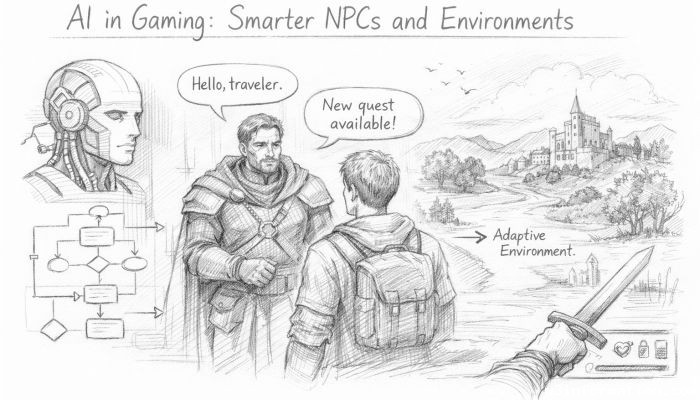 AI in Gaming: Smarter NPCs and Environments
 Understanding Bias in AI Algorithms
 Introduction to Chatbots and Conversational AI
 How Voice Assistants Like Alexa Work
 Federated Learning: AI Without Sharing Data