Why Car Sharing is the Future of Transportation
The way we move has changed drastically. Urbanization, rising vehicle costs, traffic congestion, and environmental issues are just some of the factors driving cities and individuals to seek better alternatives. In recent years, Car Sharing has gained a foothold as an appealing, practical, and sustainable option for people and cities alike.
Car Sharing is not a passing trend, it is a growing transportation revolution. In this blog post, we will discuss why car sharing is here to stay. We will look at the reasons why car sharing is the future and how it is already changing the world of transportation, city planning, and our everyday lives.
- What is Car Sharing?
- Rising Car Ownership Costs
- Urbanization and Space Efficiency
- Environmental Benefits and Sustainability
- Changing Consumer Preferences
- Car Sharing and Public Transportation
- Technology: An Enabler
- Electric Vehicles and Car Sharing
- Business and Corporate Use Cases
- The Congestion Dilemma
- Accessibility and Inclusivity
- Policy Alignment and Urban Mobility
- Conclusion
- More Related Topics
What is Car Sharing?
Sharing a car means having access to a vehicle without owning it. Users rent vehicles by the hour or day via a digital platform, typically through a mobile app, as opposed to buying, insuring, and maintaining a personal car.
There are several types of car sharing:
Station-based
The user picks up and returns the car to designated spots.
Free-floating
The user can pick up and drop off the vehicle anywhere in a designated zone.
Peer-to-peer
Ordinary people can rent out their personal vehicles.
The central idea is the same: rent only what you need.
Rising Car Ownership Costs
Cars are not only expensive to buy, but also costly to run. Fuel, insurance, maintenance, parking, taxes, and depreciation can add up over time, making car ownership a luxury for many. Parking fees, in some cities, are even more expensive than rent.
Car sharing significantly reduces these costs as users only pay for the time they use the vehicle. When you don’t own a car, you can become much more efficient when it comes to your money and traveling around town. Consumers today are more cost-conscious and have become less interested in ownership, placing a premium on flexibility and access.

Urbanization and Space Efficiency
As urbanization increases, space becomes a premium in most big cities. Private cars spend most of their time parked, occupying city roadsides, parking lots, and garages that could be used more productively.
By reducing the total number of vehicles needed to meet transportation demand, Car Sharing leads to less congestion, reduced parking demand, and better public space utilization. Studies show that one shared car can replace 9-13 privately owned vehicles in cities, and this makes a lot of sense, when you consider that the average car is parked 95% of the time.
Environmental Benefits and Sustainability
Transportation is a leading source of carbon emissions and air pollution in many countries. Car sharing directly combats the problem by promoting efficient use of vehicles and more conscious driving behavior.
Users are likely to drive less and:
Use car-sharing alongside public transport, bikes, and walking.
Choose fuel-efficient or electric vehicles, which are typically offered by sharing companies.
Electric and low-emission cars are becoming a priority for many Car Sharing fleets, accelerating the transition to cleaner transportation. As the world strives to become more sustainable, Car Sharing provides a pragmatic way to reduce environmental impact while maintaining mobility.
Changing Consumer Preferences
Consumers are becoming more focused on access to a service, rather than long-term ownership of products. From subscription services to streaming platforms and on-demand solutions, consumer expectations are shifting across industries. Transportation is not an exception.
Car Sharing fits well into the access-economy by offering:
On-demand availability
Flexible usage without long-term commitment
Especially among younger generations, car ownership is no longer a status symbol. Convenience, affordability, and sustainability have become more important when it comes to transportation choices and preferences. Car Sharing is meeting these expectations much more effectively.
Car Sharing and Public Transportation
Car Sharing is not a replacement for public transportation. Instead, it is a logical extension. Users of public transport systems such as trains, buses or metros are more likely to use car sharing to supplement these options.
This could be for weekend trips, to run errands or reach locations that are not well-served by transit. The term is multimodal transportation, which means using a different option for each journey, according to its efficiency. Car Sharing fills the gap in public transport, without increasing the number of private vehicles in circulation.
Cities that embrace car sharing and integrate it into public transport systems see improved mobility efficiency and lower private vehicle dependence.
Technology: An Enabler
Technology is the enabler that makes car sharing not only possible, but fast, accessible, and efficient. Mobile apps, GPS tracking, digital payments, and real-time availability have made the service convenient.
Key tech enablers are:
Smartphone-based vehicle unlocking.
AI for fleet management and analytics.
Predictive demand forecasting.
Seamless booking and billing.
As tech advances, car-sharing platforms become more reliable, scalable, and easy-to-use, making it increasingly attractive for many people
Electric Vehicles and Car Sharing
EVs (electric vehicles) are a good fit with car sharing. Although they are more sustainable, cheaper to run, and environmentally friendly, consumers still have concerns about the purchase cost and charging infrastructure, making them unattractive for private buyers.
Car Sharing solves these challenges by:
Spreading EV cost over many users.
Centralizing charging infrastructure and operations.
Normalizing the driving experience.
Thus, car sharing helps customers become more familiar with electric vehicles, and in the process, overcome their EV purchasing concerns. Car sharing can act as an entry point to widespread EV adoption.
Business and Corporate Use Cases
Car sharing is gaining popularity in corporate and business settings, as organizations shift from company-owned fleets and employee reimbursement policies.
Adopting Car Sharing offers these benefits:
Reduce fleet management and operational costs.
Increase fleet utilization rates.
Simplify expense reporting.
Reduce environmental impact.
Business car sharing can support flexible working arrangements and corporate sustainability efforts. It is a natural fit for any organization that values efficiency, flexibility, and cost-effectiveness.
The Congestion Dilemma
Traffic congestion is one of the most stubborn urban issues around the world, and adding more private vehicles to the streets is not the solution. Congestion increases commute times, air pollution, and the carbon footprint of transportation systems.
By promoting better vehicle utilization, planning, and shared mobility, Car Sharing can help reduce congestion. The integration of Car Sharing with public transport, walking, and cycling is more important than ever, as urban planners and city governments look for smart ways to address the congestion problem.
Accessibility and Inclusivity
Car sharing allows many more people access to mobility, including those who may not want or be able to own a vehicle. This includes students, elderly people, urbanites, or those with sporadic transportation requirements.
Offering convenient access without ownership commitment is inclusive, and can address a wide variety of individual needs. Some companies offer specialized vehicles for enhanced accessibility as well. Inclusive transportation systems are critical for equitable urban development, and Car Sharing has a crucial role to play.
Policy Alignment and Urban Mobility
Cities and governments worldwide are increasingly looking to solve traffic problems with policy changes and revised urban mobility plans. Some are incentivizing electric shared fleets, setting up dedicated parking for shared vehicles and integrating car-sharing services with city mobility apps.
Aligning policy with car sharing objectives accelerates adoption and ensures the service is considered part of the long-term urban mobility mix. Policy support is key in cities where private vehicle ownership is still subsidized or incentivized in some way.
Conclusion
Car sharing is a transportation revolution that is changing the way we access, value, and utilize transportation services. Car sharing is cheaper and more sustainable than owning a vehicle, promotes more efficient use of public space, and fits with the modern access-economy consumer mind-set. It also has the potential to be fully integrated with other mobility options, forming a MaaS future.
As cities get bigger, technology gets better, and as the world becomes more sustainability conscious, Car Sharing will become even more popular. It is not a replacement for any mode of transportation but an addition to it. It will not only improve and expand existing mobility, but also create a more flexible, efficient, and inclusive way of moving around.
 Big O Notation Explained for Beginners
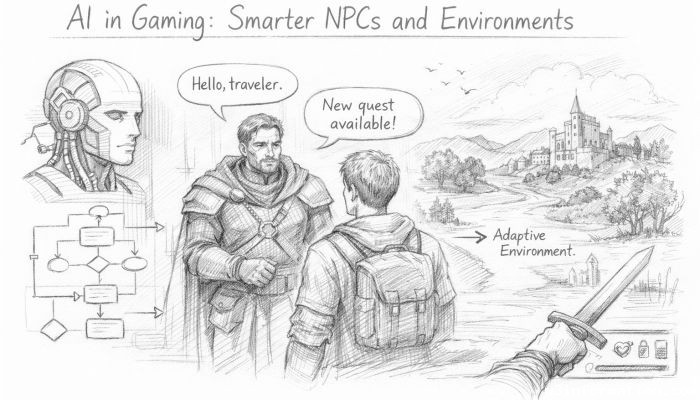 AI in Gaming: Smarter NPCs and Environments
 Understanding Bias in AI Algorithms
 Introduction to Chatbots and Conversational AI
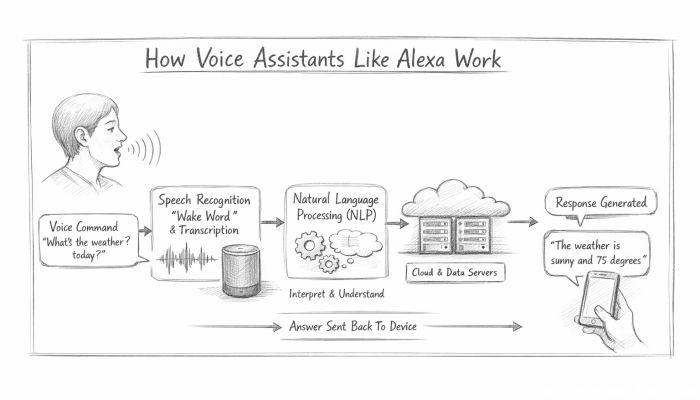 How Voice Assistants Like Alexa Work
 Federated Learning: AI Without Sharing Data