How to Deal with Peer Pressure and Stay True to Yourself
Peer pressure is a common experience that most of us encounter throughout our lives. Whether it is at school, work, or social gatherings, there are times when we feel pressured to conform, fit in, be accepted, or avoid conflict. This can lead to us giving up on our values, making excuses for others, or doing things we don’t want to do or even regret later. Peer pressure can also make us feel anxious, stressed, or lose our sense of identity. In this article, we will discuss what peer pressure is, how to recognize it, and most importantly, how to deal with it without losing your identity, integrity, or confidence. We will provide you with practical and effective tips and advice on how to resist peer pressure, make your own decisions, and find people who respect and support you for who you are.
- What is Peer Pressure and Why Does It Happen?
- What are the Different Types of Peer Pressure?
- Why is Self-Awareness Essential for Dealing with Peer Pressure?
- How to Build Confidence and Assertiveness to Resist Peer Pressure?
- How to Say No to Peer Pressure Effectively and Politely?
- How to Choose Friends and Peers Who Respect You for Who You Are?
- How to Develop Critical Thinking and Decision-Making Skills?
- How to Find Role Models and Mentors Who Inspire You?
- How to Handle Rejections and Social Risks Gracefully?
- How to Use Technology and Social Media to Stay Authentic?
- How to Communicate Your Values and Beliefs Clearly?
- When to Seek Professional Help and Support?
- Conclusion
- More Related Topics
What is Peer Pressure and Why Does It Happen?
Peer pressure is a type of social pressure that influences people to change their attitudes, values, or behaviors to match those of a group or an individual. Peer pressure can happen because of our innate need to belong, be accepted, or supported by others. Peer pressure can also be positive, such as when it motivates us to do well in school, exercise, or follow our dreams. However, negative peer pressure can also happen when we are asked, forced, or persuaded to do things that are against our values, principles, or interests. To better deal with peer pressure, it is important to understand why it happens and how it affects us.
What are the Different Types of Peer Pressure?
Peer pressure is not always obvious, direct, or intentional. It can take many forms, some of which are more subtle than others. Peer pressure can be explicit, such as when someone directly asks, challenges, or threatens us to do something. It can also be implicit, such as when we feel pressured to do something because of social norms, expectations, or assumptions. For example, we might feel pressure to dress a certain way because “everyone is doing it,” to participate in certain activities because “it’s fun,” or to avoid certain topics because “it’s rude.” Understanding the different types of peer pressure can help us recognize when we are being pressured and how to deal with it.

Why is Self-Awareness Essential for Dealing with Peer Pressure?
Self-awareness is the ability to know ourselves, our values, our beliefs, our limits, our emotions, and our triggers. Self-awareness is crucial for dealing with peer pressure because it allows us to understand ourselves and what matters to us. When we are self-aware, we can easily identify when someone is trying to pressure us or make us do something we don’t want to do. We can also evaluate whether the pressure is coming from someone who respects us or someone who doesn’t. To become more self-aware, we can practice mindfulness, journaling, meditation, or talking to a trusted friend.
How to Build Confidence and Assertiveness to Resist Peer Pressure?
Confidence and assertiveness are the skills that help us to express our opinions, needs, and decisions in a clear, respectful, and firm manner. Confidence and assertiveness are important for resisting peer pressure because they enable us to stand up for ourselves and say no to things we don’t want to do. Confidence and assertiveness are also essential for maintaining our self-esteem and integrity. To build confidence and assertiveness, we can practice setting small goals, using positive affirmations, and surrounding ourselves with supportive and positive people.
How to Say No to Peer Pressure Effectively and Politely?
Saying no is one of the most effective ways to deal with peer pressure. However, saying no can be challenging, especially if we are afraid of disappointing, losing, or upsetting others. Saying no can also be difficult if we are not used to it or if we feel guilty or obligated. To say no to peer pressure effectively and politely, we can use phrases such as “No thanks, that’s not for me,” or “I’m choosing to do something different.” We can also explain our reasons for saying no, without being aggressive or defensive.
How to Choose Friends and Peers Who Respect You for Who You Are?
The friends and peers we choose to surround ourselves with can have a significant impact on our lives. Friends and peers who respect us for who we are can help us to feel accepted, valued, and understood. They can also support us in our goals, dreams, and values. Friends and peers who pressure us to do things we don’t want to do can make us feel rejected, misunderstood, or forced. To choose friends and peers who respect us for who we are, we can look for people who share our interests, values, and goals, who listen to us, who accept us for our strengths and weaknesses, and who support us in our decisions.
How to Develop Critical Thinking and Decision-Making Skills?
Critical thinking and decision-making skills are the abilities to analyze, evaluate, and make choices based on our values, facts, and logic. Critical thinking and decision-making skills are important for dealing with peer pressure because they help us to see things from different perspectives, question assumptions, and understand consequences. Critical thinking and decision-making skills can also help us to find solutions, alternatives, and compromises that are acceptable to everyone involved. To develop critical thinking and decision-making skills, we can ask questions, research, and weigh the pros and cons of our options.
How to Find Role Models and Mentors Who Inspire You?
Role models and mentors are people who inspire us to be the best versions of ourselves. They are people who have the qualities, skills, and experiences that we admire and aspire to achieve. Role models and mentors can also help us to overcome peer pressure by providing us with guidance, support, and encouragement. They can share their experiences, insights, and advice on how they dealt with similar situations in the past. To find role models and mentors who inspire us, we can look for people in our lives, such as family members, teachers, coaches, or community leaders.
How to Handle Rejections and Social Risks Gracefully?
Resisting peer pressure can sometimes lead to rejection or social risks. Rejection and social risks can make us feel hurt, angry, or insecure. They can also make us doubt ourselves, our values, or our decisions. Handling rejections and social risks gracefully is important for dealing with peer pressure because it allows us to cope with the consequences without losing our self-esteem or integrity. Handling rejections and social risks gracefully is also important for maintaining healthy and respectful relationships. To handle rejections and social risks gracefully, we can accept them, learn from them, move on from them, and avoid taking them personally.
How to Use Technology and Social Media to Stay Authentic?
Technology and social media are powerful tools that can influence our lives in many ways. They can also be sources of peer pressure, especially if we compare ourselves to others, seek validation, or feel overwhelmed by the online expectations. To use technology and social media to stay authentic, we can manage our online presence, choose our online activities wisely, and set boundaries for our online interactions.
How to Communicate Your Values and Beliefs Clearly?
Communicating our values and beliefs clearly is important for dealing with peer pressure because it can prevent misunderstandings, conflicts, and pressure. Communicating our values and beliefs clearly can also help others to understand where we stand and to respect our decisions. Communicating our values and beliefs clearly can also foster positive and authentic relationships. To communicate our values and beliefs clearly, we can use honest, assertive, and respectful language, listen actively, and avoid assumptions or judgments.
When to Seek Professional Help and Support?
Peer pressure can sometimes cause us significant stress, anxiety, or even mental health issues. When this happens, it is important to seek professional help and support from people who can assist us in dealing with the pressure. Professional help and support can come from counselors, therapists, support groups, or helplines. Professional help and support can offer us a safe, confidential, and non-judgmental space to talk about our feelings, thoughts, and experiences, and to receive guidance, feedback, and coping strategies.
Conclusion
Dealing with peer pressure is a skill that we can all learn and practice throughout our lives. Peer pressure can be a powerful force that can influence our thoughts, feelings, and actions, but it can also be resisted and overcome. By being self-aware, confident, assertive, and respectful, we can resist peer pressure and stay true to ourselves and our values. By choosing friends and peers who respect us, communicating clearly, and seeking support when needed, we can build positive and authentic relationships that enrich our lives. By finding role models and mentors who inspire us, developing critical thinking and decision-making skills, and handling rejections and social risks gracefully, we can grow as individuals and overcome challenges. By using technology and social media wisely, and embracing our uniqueness, we can live our lives authentically and confidently.
 Big O Notation Explained for Beginners
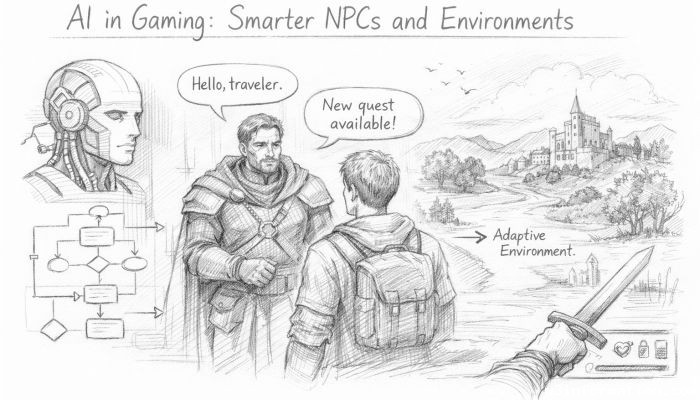 AI in Gaming: Smarter NPCs and Environments
 Understanding Bias in AI Algorithms
 Introduction to Chatbots and Conversational AI
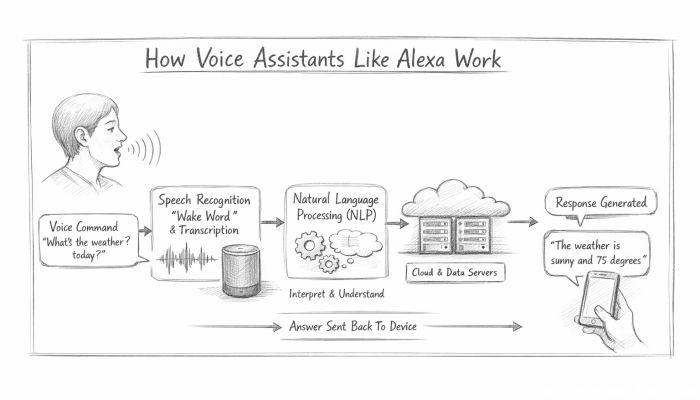 How Voice Assistants Like Alexa Work
 Federated Learning: AI Without Sharing Data