How to Build a Personal Brand as a Young Adult
Your personal brand is one of the most valuable assets you can possess. It’s the unique combination of how you present yourself, how others perceive you, and the value you offer to the world. In a world full of competition, a personal brand sets you apart from the crowd, and gives you an edge in establishing your credibility and creating opportunities for career, social life, and personal growth.
As a young adult, it’s never too early to start building your personal brand. Whether you’re just starting your career journey, looking to expand your network, or establish yourself as an authority in your industry, a well-crafted personal brand can help you achieve your goals and make a lasting impression on those around you. But where do you start? In this blog, we’ll break down the essential steps to building and nurturing a personal brand as a young adult, complete with tips and tricks to help you stand out from the crowd.
Discover Your Authentic Self
a. Define Your Values and Passions
The first step to building a personal brand is to understand who you are and what you stand for. What are your core values? What are you passionate about? What makes you unique? To find the answers, take some time to reflect on what matters most to you, what you love doing, and what kind of impact you want to make in the world. Consider these questions:
What are your core values? Are you driven by creativity, social impact, sustainability, or innovation?
What are your passions? Whether it’s technology, art, education, or community service, what excites you the most?
What are your strengths and talents? What skills and abilities set you apart from others?
Your personal brand should be an authentic reflection of who you are. Being authentic is the key to building trust and creating real connections with others. Don’t try to be someone you’re not — embrace your individuality, and let your true self shine through.
b. Identify Your Purpose and Goals
Once you’ve defined your values and passions, it’s time to identify the purpose and goals of your personal brand. What do you want to achieve with your brand? Do you want to build a strong network, land your dream job, or become an authority in your field? Be clear about what you want your brand to accomplish, and set realistic and specific goals to guide your actions.
For example, your purpose could be to become known as a digital marketing expert, and your goal could be to land a digital marketing internship at a leading tech company. Or, you could aim to establish yourself as a go-to source for information in the tech industry.
Having a clear sense of purpose and goals will help you stay focused and consistent in your brand-building efforts.
Create a Strong Online Presence
a. Build a Professional Social Media Profile
In today’s digital age, your online presence is an extension of your personal brand. One of the most important things you can do to build a strong personal brand is to optimize your social media profiles. Focus on professional platforms such as LinkedIn, Instagram, Twitter, and Facebook, where you can showcase your interests, skills, and experiences, and connect with like-minded people.

LinkedIn: Make your LinkedIn profile your professional hub. Add a professional photo, a catchy headline, and a detailed summary that highlights your skills and experiences. Use LinkedIn to connect with industry professionals, share valuable content, and showcase your accomplishments.
Instagram: Use Instagram to showcase your personality and creative side. Whether you’re into photography, fitness, fashion, or travel, Instagram is the perfect platform to visually represent your brand and connect with like-minded people.
Twitter: Twitter is a great platform to share your thoughts, engage with industry leaders, and join conversations around topics you care about. A consistent, authentic voice on Twitter can help you grow your following and influence.
b. Develop a Personal Website or Blog
A personal website or blog is a great way to have a central hub for your personal brand. It’s a place where you can showcase your portfolio, share blog posts, and provide more detailed information about your skills, experiences, and projects. There are many user-friendly website builders like Wix, Squarespace, or WordPress that make it easy to create a professional-looking site without any coding knowledge.
You can also use your website to have a blog where you share your thoughts and insights on topics that matter to you and your personal brand. Whether you’re writing about industry trends, personal development, or your own experiences, blogging can help you establish yourself as a knowledgeable and thoughtful voice in your field.
Consistency is Key
a. Develop a Consistent Voice
Consistency is a critical element of building a strong personal brand. One of the ways to be consistent is to develop a consistent voice across all your communications. Whether you’re speaking in person, posting on social media, or writing a blog post, your tone and message should be consistent and recognizable. This will help you create a memorable personal brand that people can easily identify.
Think about how you want others to perceive you:
Are you professional and serious or more relaxed and casual?
Do you want to come across as a leader, a mentor, or a collaborator?
What type of language and tone resonates with your target audience?
Your voice should align with your values and goals, and it should be consistent across all your channels. This will help you build trust and recognition with your audience.
b. Maintain a Regular Posting Schedule
Posting regularly and consistently is another critical aspect of building a strong personal brand. Whether it’s sharing updates on LinkedIn, posting photos on Instagram, or writing articles on your blog, it’s important to have a consistent posting schedule. This will help you stay visible, demonstrate your expertise, and engage with your audience.
Tools like Buffer, Hootsuite, or Later can help you schedule your posts in advance, ensuring you have a steady flow of content even on busy days.
Network and Build Relationships
a. Attend Events and Conferences
Networking is an essential part of building a personal brand. Attend industry events, conferences, webinars, and meetups to meet new people, exchange ideas, and learn from others. Networking is not just about exchanging business cards; it’s about building meaningful relationships with people who share your interests and values.
When you attend events, make sure to introduce yourself, share what you’re passionate about, and tell others about your goals. Be genuine, ask questions, and listen actively. Building authentic relationships will help you expand your network and reputation.
b. Collaborate with Others
Collaborating with others is a great way to build your personal brand while learning from others. Collaborate with influencers, professionals, or organizations in your field on joint projects, guest blog posts, podcasts, or social media campaigns. Collaboration will help you increase your visibility, reach new audiences, and build credibility.
Showcase Your Skills and Achievements
a. Create a Portfolio of Your Work
Showcasing your skills and achievements is an important part of building your personal brand. Create a portfolio that highlights your best work, whether it’s a graphic design project, a marketing campaign, an app you’ve built, or a research paper you’ve written. A portfolio is a tangible representation of your skills and can add credibility to your brand.
If you’re just starting and don’t have much work to showcase, consider documenting your progress and sharing small projects as you work on them. As your experience grows, so will your portfolio, and it will become an invaluable tool when you apply for jobs, internships, or freelance opportunities.
b. Share Your Learning Journey
As you work on building your personal brand, be transparent and open about your learning journey. Share your experiences in acquiring new skills, taking courses, or overcoming challenges. This will make your brand more relatable and authentic and will help others connect with your journey and see you as a work-in-progress, which builds trust and loyalty.
Stay True to Your Values
a. Be Authentic and Transparent
As a young adult, it can be tempting to try to emulate others when building your personal brand quickly. However, the most successful personal brands are built on authenticity. Stay true to who you are, your values, and your passions. Let your personality shine through in everything you do. Authenticity is attractive, and being genuine will make you more relatable to your audience.
b. Avoid the “Perfection Trap”
It can be easy to feel pressure to present a perfect version of yourself when building your personal brand. However, the reality is that nobody is perfect, and it’s not sustainable to try to present a flawless image all the time. Instead, focus on continuous improvement, and don’t be afraid to make mistakes along the way. Sharing your struggles and imperfections can make your brand more relatable and approachable.
Measure and Adjust Your Brand Strategy
a. Analyze Your Progress
Building a personal brand is an ongoing process, and it’s important to periodically assess your progress and adjust your strategy as needed. Set aside time to evaluate your goals, the impact of your content, and your engagement levels on social media. Use tools like Google Analytics for websites and social media insights for Instagram or LinkedIn to track how your brand is performing and what’s resonating with your audience.
b. Adapt and Evolve
As you gain more experience and your brand matures, it’s natural for your brand to evolve. Don’t be afraid to tweak your messaging, expand your focus, or try new strategies as you grow. Personal branding is not a static process — it should reflect who you are now and who you want to become in the future.
Conclusion
Building a personal brand as a young adult can set you up for success and help you stand out from the crowd in today’s competitive world. By discovering your authentic self, maintaining a strong online presence, networking with others, showcasing your skills and achievements, and staying true to your values, you can create a powerful personal brand that reflects who you are and what you stand for.
Building a personal brand is not an overnight process, it requires consistency, effort, and authenticity. However, by staying focused on your goals and continuously refining your brand, you’ll be well on your way to success in any field, and you’ll create a solid foundation for future opportunities that align with your passions and values.
 Big O Notation Explained for Beginners
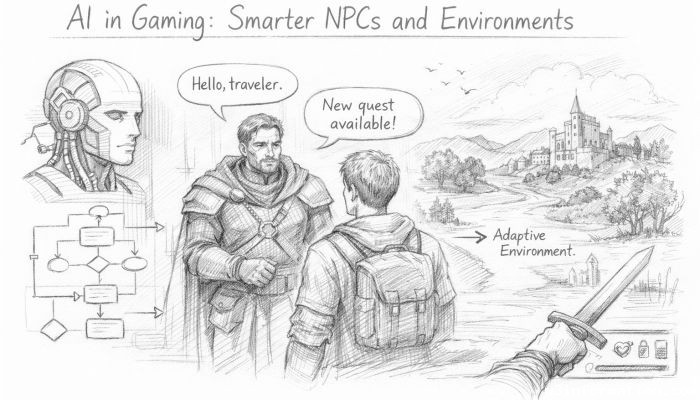 AI in Gaming: Smarter NPCs and Environments
 Understanding Bias in AI Algorithms
 Introduction to Chatbots and Conversational AI
 How Voice Assistants Like Alexa Work
 Federated Learning: AI Without Sharing Data