How to Deal with Stress and Anxiety as a Teenager
Dealing with stress and anxiety is a normal part of being a teenager. Between schoolwork, social pressures, family expectations, and the stress of the future, it can be easy for teens to feel overwhelmed and anxious. While a certain amount of stress can be helpful and even motivating, chronic anxiety can have a negative impact on mental health, academic performance, and overall well-being. That is why it is important to learn to deal with these emotions as a teenager. This article will cover practical ways to cope with stress and anxiety, helping teenagers lead a more balanced life and be ready to face adult challenges.
- What Are Stress and Anxiety?
- What Are the Common Reasons for Anxiety?
- What Are the Symptoms of Stress?
- How Can I Stay Stress-free?
- Physical Activity
- Mindfulness
- Organization
- Friendship and Communication
- Limited Screen Time
- Positive Self-talk
- Professional Help
- Nutrition
- Creativity
- Conclusion
- More Related Topics
What Are Stress and Anxiety?
Stress and anxiety are two psychological states that are often mentioned in connection with each other. Stress is a physical and emotional response to a particular situation, often external. For example, it is triggered by school exams, conflicts with friends, or important life changes. Anxiety, on the other hand, is a state of constant worry and nervousness that may not have a specific cause. Teenagers experience stress and anxiety more frequently than adults for several reasons. For one, their brains and hormones are still developing. Their moods are also affected by rapidly changing social situations. Stress and anxiety are normal and almost all people experience it. However, if a teenager does not accept it and tries to hide it, it will only become stronger. Stress and anxiety in early teens are important to notice in time and get rid of, or they will continue to worry throughout the teenager’s life.
What Are the Common Reasons for Anxiety?
A school is the primary source of anxiety for many teenagers. In school, adolescents face high expectations, and both students and parents want their children to get the best possible marks. Friends and problems with socialization are the second most common cause of anxiety among teenagers. They need to be in a group and be liked by the group. In addition, school age is the age of serious family problems. Other reasons include divorce, financial difficulties, or one of the parents getting a new job or leaving. For example, social media channels like Facebook are also full of negative stimuli that teenagers may not be ready for.

What Are the Symptoms of Stress?
The most common symptoms include headaches, stomachaches, drowsiness, and changes in sleep and appetite. Stress also leads to constant irritability, tearfulness, and nervousness. In addition, among students, stress is evidenced by constant fatigue and inability to concentrate. There are physical, emotional, and behavioral symptoms.
How Can I Stay Stress-free?
A regular daily routine is a great way to help a person stay stress-free. In addition, it also contributes to a person having healthy habits. An organized person is more able to cope with situations that cause stress. Lack of sleep can also cause stress. A teenager should sleep at least 8 hours a day.
Physical Activity
Physical activity also helps to get rid of stress and anxiety. Exercise triggers the release of hormones that positively affect the human body and improves mood. However, to get rid of stress and anxiety, the teenager does not need to run long distances or go in for sports. Simply walking in the fresh air, riding a bike, or dancing will be enough. Of course, physical education or group fitness is also an effective stress reliever. Group classes or playing with a ball are an excellent way to not only get rid of negative emotions but also to meet new people.
Mindfulness
Mindfulness is also a good way to help cope with stress and anxiety. This practice teaches people to focus on what is happening now, which quickly distracts from problems. Calming deep breathing exercises, meditation, and relaxation also help to relax an anxious person. You can practice them on your own or find videos on YouTube or mindfulness apps that will guide you. The main thing is to practice mindfulness regularly. With its help, the person is able to take control of himself, his anxiety and stress.
Organization
Poor grades are one of the main reasons for students’ stress. This is due to the fact that they do not plan their time, are constantly cramming for the night before a lesson, or forget to do the homework in time. Lack of time is also a reason for stress. A person will be able to deal with stress if he plans his day in advance and does not put off unpleasant tasks. For this, you can use a diary or calendar.
Friendship and Communication
Friendship and communication with people are also a great help in dealing with stress. If a teenager does not have confidence in a friend, he can always turn to adults. For example, parents, relatives, or teachers can help a teenager cope with stress. If possible, it is best to seek help from a psychologist or become a member of a support group. By the way, group training is also an effective way to meet new people and make new friends.
Limited Screen Time
Reducing the time spent in front of the TV or computer also has a positive effect on a teenager’s mental state. Spending a lot of time on social networks, especially at night, is not good for mental health. In addition, watching movies, shows, or constantly surfing the internet is a complete waste of time. In the modern world, people have a smartphone almost 24 hours a day, without which they cannot imagine their life. This is bad for mental health because a person has little time to rest and think. He needs to limit the number of hours a day when he is on the phone, set the day’s task and forget about his gadgets until he completes it.
Positive Self-talk
Negative self-talk in anxiety is a natural thing. This is the case when a person convinces himself that he cannot do something, that he is not good enough, and so on. However, with a positive conversation with oneself, a person can more easily cope with problems. So, a teenager needs to train himself to monitor his thoughts and self-talk. When a teenager has a negative thought, he must replace it with a positive one.
Professional Help
If a teenager is constantly in stress and anxiety and he can not cope with this condition on his own, then he should consult a professional. These are psychologists, psychotherapists, or psychiatrists who can help a person deal with a problem. Cognitive behavioral therapy (CBT) can also be an option. In this way, a person can change his thinking to a positive one. Also, if a person is in depression, the doctor may recommend taking antidepressants.
Nutrition
Nutrition also has a direct impact on stress. The human body needs healthy food. Whole grains, nuts, fresh vegetables and fruits, fish and seafood, and animal proteins have a positive effect on a person’s mental health. Caffeine and sugar also affect stress and anxiety. Excessive consumption of coffee and soda causes a person to be more nervous and irritable. In addition, a teenager needs to develop a habit of healthy eating.
Creativity
Creative activities like drawing, playing a musical instrument, dancing, writing, or acting are also useful in stress management. Hobbies help people focus on the process, feel satisfaction when achieving something new, and, in addition, please the brain with good dopamine. In addition, creativity can help a person show his skills and find his place in society. So, hobbies are very useful for a person’s mental health.
Conclusion
Stress and anxiety do not have to be the worst enemy of teenagers. Understanding the causes of stress and anxiety is the first step to learning to cope with it. A regular daily routine also has a positive effect on a person’s mental state, so it is important to spend time on sleep and good nutrition. In addition, sport and mindfulness also have a beneficial effect on a teenager’s mental health. With the help of communication and professional help, it is also possible to get rid of stress and anxiety. Positive self-talk and resilience are the best way to not let yourself be controlled by stress and anxiety. Creative and other activities that make you happy will also help you become less nervous.
 Big O Notation Explained for Beginners
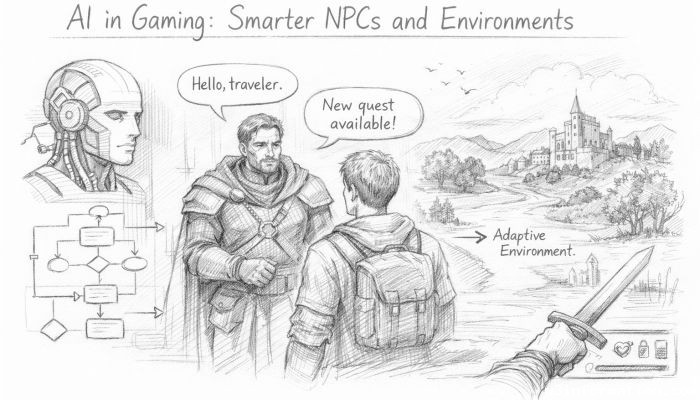 AI in Gaming: Smarter NPCs and Environments
 Understanding Bias in AI Algorithms
 Introduction to Chatbots and Conversational AI
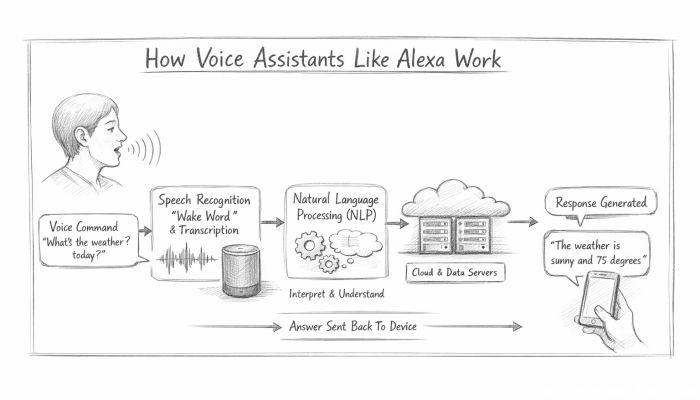 How Voice Assistants Like Alexa Work
 Federated Learning: AI Without Sharing Data