The Importance of Building Positive Peer Relationships
Humans are social animals, and the interactions and relationships we form with our peers greatly impact our emotional, social, and psychological development. Peer relationships influence self-perception, communication skills, and the ability to handle life’s challenges from childhood to adulthood.
Positive peer relationships are built on kindness, effective communication, empathy, and respect. This blog will explore the importance of building healthy peer relationships, their influence on personal development, and why they are essential at every stage of life.
- Understanding Peer Relationships
- The Role of Peer Relationships in Emotional Development
- Building Social and Communication Skills
- Encouraging Empathy and Emotional Intelligence
- Supporting Mental Health and Well-Being
- Peer Influence and Personal Growth
- The Impact of Peer Relationships on Academic and Professional Success
- Learning Conflict Resolution Through Peer Interaction
- Building Confidence and Independence
- Peer Relationships Across Different Life Stages
- The Role of Parents and Educators in Encouraging Positive Peer Relationships
- The Consequences of Poor Peer Relationships
- Strategies for Building Positive Peer Relationships
- Maintaining Healthy Peer Relationships Over Time
- Conclusion
- More Related Topics
Understanding Peer Relationships
Peer relationships refer to social connections between individuals of similar age, status, or shared experiences. Peers may include classmates, coworkers, neighbors, or members of social or interest groups.
Peer relationships differ from family relationships in that they are typically voluntary. This voluntary nature makes peer interactions powerful spaces for learning and practicing essential life skills, such as cooperation, conflict resolution, and mutual respect. Positive peer relationships are characterized by trust, shared values, and healthy communication.

The Role of Peer Relationships in Emotional Development
Positive peer relationships significantly impact emotional development, particularly in childhood and adolescence.
Feeling accepted and valued by peers, individuals are more likely to develop:
Healthy self-esteem
Emotional security
Sense of belonging
Supportive and positive peers provide comfort during stressful situations and encouragement during challenging times. The emotional support gained from positive peer relationships also contributes to better coping skills when managing difficult emotions such as anxiety, loneliness, or self-doubt.
Building Social and Communication Skills
Peer interactions are the primary ways that individuals develop social skills. By engaging in day-to-day conversations, group activities, and shared experiences, people learn how to communicate effectively and respectfully.
Positive peer relationships provide opportunities for individuals to practice:
Active listening
Expressing thoughts and emotions
Understanding and responding to social cues
Respect for differences
Social and communication skills are essential in all areas of life, including personal relationships, academic or professional environments, and community settings.
Encouraging Empathy and Emotional Intelligence
Empathy is the ability to understand and share the feelings of others. Positive peer relationships present opportunities to see the world from different perspectives.
When individuals interact with peers who have diverse backgrounds, opinions, and life experiences, they are likely to learn to:
Appreciate and respect differences
Respond to others with compassion and kindness
Develop emotional awareness and understanding
Emotional intelligence developed through peer relationships helps to strengthen interpersonal relationships and is essential in conflict resolution.
Supporting Mental Health and Well-Being
Strong peer relationships are strongly associated with positive mental health outcomes. Feeling connected and supported by peers can reduce the experience of loneliness and isolation, both risk factors for anxiety and depression.
Positive peer support provides individuals with emotional reassurance, a sense of stability, and opportunities to share concerns. When individuals feel supported, they are more likely to manage stress and life challenges effectively.
Peer Influence and Personal Growth
Peers can influence attitudes, behaviors, and decision-making in both positive and negative ways. Positive peer relationships encourage the development of healthy habits and support personal growth.
Supportive peers often encourage:
Healthy life choices
Motivation to succeed academically or professionally
Positive coping mechanisms
Individuals who surround themselves with peers who value growth, responsibility, and positive change are more likely to adopt similar behaviors.
The Impact of Peer Relationships on Academic and Professional Success
Positive peer relationships contribute to success in both academic and professional environments.
In academic settings, peers often:
Encourage learning and collaboration
Support motivation and engagement
Enhance problem-solving through teamwork
In the workplace, healthy peer relationships improve collaboration, communication, and overall job satisfaction. Individuals who build positive relationships in the workplace are often more productive and experience reduced stress.
Learning Conflict Resolution Through Peer Interaction
Conflict is an inevitable part of any relationship, including peer relationships. Positive peer interactions provide a safe space to learn how to handle disagreements and conflicts constructively.
Through peer interactions, individuals learn:
Expressing concerns respectfully
The importance of compromise
Strategies for finding resolutions
Conflict resolution skills are essential for maintaining healthy relationships throughout life.
Building Confidence and Independence
Positive peer relationships help individuals gain confidence in social situations. Feeling accepted by peers reinforces a sense of self-worth and encourages independent behavior.
Peer support also provides opportunities to:
Take social risks
Express opinions with confidence
Develop leadership skills
Confidence gained through positive peer relationships often translates to other areas of life, including academics, careers, and personal goals.
Peer Relationships Across Different Life Stages
Childhood
In early childhood, peer relationships help children learn sharing, cooperation, and basic social skills. Positive early peer interactions lay the groundwork for future relationships.
Adolescence
Peers become particularly influential during adolescence. Positive peer relationships in adolescence support identity development, emotional expression, and decision-making skills during this crucial stage of growth.
Adulthood
Adult peer relationships continue to provide emotional support, professional collaboration, and social fulfillment. Healthy adult friendships contribute to life satisfaction and resilience.
The Role of Parents and Educators in Encouraging Positive Peer Relationships
Parents and educators play a crucial role in guiding the development of healthy peer relationships.
Adults can:
Model respectful communication
Teach empathy and kindness
Encourage inclusive and respectful behavior
Support children and students in resolving conflicts
Guidance, not excessive control, helps children and adolescents learn to build and maintain relationships independently.
The Consequences of Poor Peer Relationships
The absence of positive peer relationships can lead to:
Social isolation
Low self-esteem
Emotional distress
Difficulties in forming future relationships
Awareness of these risks emphasizes the importance of actively working to build and maintain healthy peer relationships.
Strategies for Building Positive Peer Relationships
Building strong peer relationships takes effort and intentionality.
Effective strategies for building positive peer relationships include:
Practicing kindness and respect in interactions
Communicating openly and honestly
Being a good listener and valuing others’ opinions
Showing empathy and support during difficult times
Setting healthy boundaries when necessary
These behaviors contribute to building trust and mutual respect.
Maintaining Healthy Peer Relationships Over Time
Relationships naturally evolve over time and require maintenance.
Maintaining healthy peer relationships over time requires:
Regular communication and connection
Mutual support and encouragement
Respect for personal growth and change
The ability for strong relationships to adapt to life changes is essential in ensuring they continue to provide support and connection.
Conclusion
In conclusion, building positive peer relationships is vital for emotional, social, and psychological well-being. Peer relationships from childhood through adulthood contribute to shaping self-perception, communication skills, and the ability to navigate life’s challenges.
Positive peer relationships are characterized by kindness, effective communication, empathy, and respect. By fostering these qualities, individuals can build a strong foundation for success in all areas of life.
Encouraging respect, inclusivity, and kindness in peer interactions also has the potential to enrich lives and strengthen communities. The importance of building positive peer relationships and investing in their quality and health cannot be overstated.
 Big O Notation Explained for Beginners
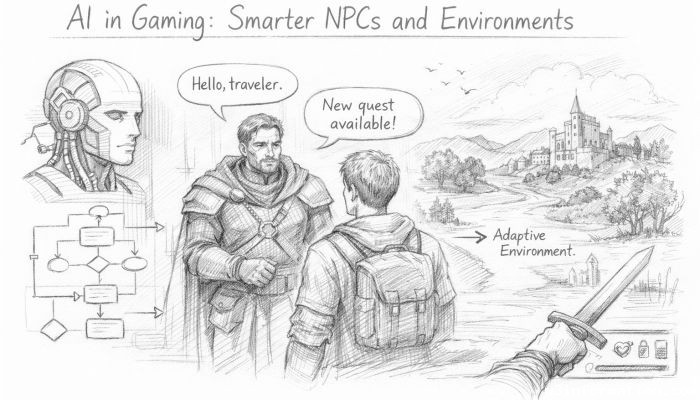 AI in Gaming: Smarter NPCs and Environments
 Understanding Bias in AI Algorithms
 Introduction to Chatbots and Conversational AI
 How Voice Assistants Like Alexa Work
 Federated Learning: AI Without Sharing Data