The Benefits of Being Involved in Extracurricular Activities
In today’s fast-paced and highly competitive world, academic success alone is no longer enough to guarantee a well-rounded development or a promising future. Extracurricular activities—ranging from sports and music to debate clubs and volunteer work—have become an essential part of the educational experience, offering much more than just leisure or a way to pass time. These activities provide invaluable opportunities for personal growth, skill development, and social interaction that cannot always be cultivated within the confines of a traditional classroom. In this article, we will explore the numerous benefits that participation in extracurricular activities brings to individuals, especially students. From boosting academic performance and enhancing mental health to fostering leadership skills and building lifelong friendships, involvement in these pursuits nurtures a balanced, fulfilling, and dynamic lifestyle. Join us as we delve into the multifaceted advantages of being actively engaged beyond the syllabus.
- Enhances Academic Performance
- Develops Social Skills and Teamwork
- Cultivates Leadership Qualities
- Boosts Mental and Emotional Health
- Encourages Time Management and Responsibility
- Fosters Creativity and Self-Expression
- Provides Networking Opportunities
- Enhances College and Job Applications
- Builds Cultural Awareness and Inclusivity
- Instills a Sense of Community and Civic Responsibility
- Improves Physical Health and Fitness
- Promotes Lifelong Habits and Interests
- Conclusion
- More Related Topics
Enhances Academic Performance
Contrary to the myth that extracurricular activities distract students from their studies, research consistently shows that involvement in such pursuits can improve academic performance. Engaging in clubs, sports, or artistic endeavors often teaches time management and organizational skills, enabling students to juggle multiple responsibilities effectively. Moreover, these activities stimulate cognitive skills such as critical thinking, creativity, and problem-solving, which translate into better classroom performance. For example, students participating in debate clubs enhance their research and analytical abilities, while those in music groups may develop heightened concentration and discipline. By striking a balance between academics and extracurriculars, students often find renewed motivation toward their studies, thus elevating overall achievement.

Develops Social Skills and Teamwork
Extracurricular activities provide an ideal environment for interpersonal growth. Unlike the structured classroom setting, these activities encourage collaboration, communication, and mutual support. Whether on a sports team or in a drama club, participants learn the importance of working together toward common goals, negotiating differences, and building empathy. Such social dynamics enhance communication skills, boost confidence, and foster a sense of belonging—all essential qualities in personal and professional life. Through these interactions, students gain experience navigating relationships, managing conflicts, and appreciating diversity, equipping them with the social intelligence needed in today’s interconnected world.
Cultivates Leadership Qualities
Leadership is rarely a skill that emerges spontaneously; it often grows through experience and practice. Extracurricular activities frequently offer roles where students can take responsibility, make decisions, and guide peers, thus honing their leadership abilities. Whether serving as a team captain, club president, or event organizer, students develop crucial competencies such as delegation, problem-solving, and public speaking. These roles foster accountability and initiative, empowering young individuals to become proactive and confident leaders. Importantly, leadership experiences gained through extracurriculars translate beyond school, benefiting future academic and career pursuits.
Boosts Mental and Emotional Health
Participation in extracurricular activities is strongly linked to improved mental and emotional well-being. These activities provide a healthy outlet for stress and a break from academic pressures, allowing individuals to express themselves creatively or physically. Physical activities like sports increase the release of endorphins, known to reduce anxiety and depression. Meanwhile, artistic endeavors such as painting or music serve as therapeutic means for emotional expression. Additionally, being part of a group or team can lessen feelings of isolation and foster a sense of purpose, improving self-esteem and resilience. In this way, extracurricular involvement supports holistic mental health.
Encourages Time Management and Responsibility
Balancing schoolwork with extracurricular commitments requires developing strong time management skills—a critical aspect of personal growth. Students who actively participate in extracurricular activities learn to prioritize tasks, plan schedules effectively, and meet deadlines consistently. These habits promote personal responsibility and discipline, which are valuable throughout life, whether in further education or the workforce. By managing competing demands, students become adept at working under pressure and maintaining focus, qualities that enhance productivity and reduce procrastination.
Fosters Creativity and Self-Expression
Extracurricular activities offer unique platforms for creativity and self-expression that traditional academic subjects may not always accommodate. Whether through writing, music, visual arts, or theater, students find avenues to explore their imagination and emotions beyond textbook learning. Such opportunities nurture innovation and original thinking, attributes increasingly prized in dynamic, problem-solving environments. Creative pursuits also allow individuals to construct their identities, build confidence, and develop a personal voice. This creative freedom enriches the learning experience and contributes to emotional fulfillment.
Provides Networking Opportunities
Involvement in extracurricular activities connects individuals with peers, mentors, and professionals who share similar interests. These connections form invaluable networks that can support academic growth, career prospects, and personal development. Clubs and organizations often invite guest speakers, organize workshops, or facilitate inter-school competitions, broadening participants’ horizons and exposing them to new ideas and opportunities. Networking built through extracurriculars can lead to internships, college recommendations, or lifelong friendships that transcend the immediate learning environment.
Enhances College and Job Applications
In an increasingly competitive academic and professional landscape, standing out is crucial. Universities and employers look beyond grades to assess a candidate’s well-roundedness, leadership potential, and community involvement. Participation in extracurricular activities signals motivation, commitment, and diverse skill sets, making applications more attractive and compelling. Whether it’s excelling in sports, engaging in community service, or leading a club, these experiences demonstrate qualities like teamwork, perseverance, and initiative. In many cases, such involvement can be a decisive factor in gaining scholarships, admissions, or job offers.
Builds Cultural Awareness and Inclusivity
Many extracurricular activities expose students to different cultures, backgrounds, and perspectives, fostering inclusivity and global awareness. Cultural clubs, language groups, and international student organizations promote intercultural exchange and understanding, critical competencies in today’s diverse societies. Through participation, students learn to appreciate diversity, challenge stereotypes, and develop open-mindedness. This broadening of worldview not only enriches personal growth but also cultivates respectful and inclusive attitudes that contribute to harmonious communities.
Instills a Sense of Community and Civic Responsibility
Engaging in service-oriented extracurricular activities, such as volunteering or environmental clubs, instills a profound sense of community responsibility and civic engagement. These experiences encourage students to contribute positively to society, recognize social issues, and develop empathy toward others. Participation often leads to greater awareness of global challenges and a motivation to act, fostering active citizenship. The habits and values cultivated through community service carry significant lifelong implications, nurturing individuals who are socially conscious and committed to making a difference.
Improves Physical Health and Fitness
Physical extracurricular activities like sports, dance, or martial arts play a major role in improving physical health. Regular exercise contributes to overall fitness, strengthens the cardiovascular system, improves coordination, and enhances endurance and flexibility. Beyond physical benefits, physical activities also help inculcate habits of healthy living, proper nutrition, and stress management. By engaging consistently in such activities, participants experience increased energy levels, better sleep patterns, and reduced risks of chronic illnesses. The holistic benefits gained from physical engagement significantly contribute to a balanced, healthy lifestyle.
Promotes Lifelong Habits and Interests
Extracurricular activities often spark passions that endure far beyond school years. Whether it’s an interest in music, sports, writing, or community service, these early involvements can lead to lifelong hobbies, career paths, or personal missions. The skills and values instilled—such as discipline, teamwork, or creativity—continue to shape personal identities and inform future choices. Moreover, the friendships and mentors formed during these activities create support systems that promote continuous learning and growth. In this way, extracurricular involvement provides a foundation for a vibrant and meaningful life journey.
Conclusion
The benefits of being involved in extracurricular activities are profound and multifaceted, extending far beyond the immediate enjoyment or social aspects. Through engagement in these pursuits, individuals cultivate essential skills—ranging from leadership and teamwork to creativity and time management—that enrich academic performance and personal development. Extracurricular activities promote emotional well-being, physical health, cultural awareness, and civic responsibility, reinforcing holistic growth and life balance. Moreover, the networks and experiences gained through participation significantly enhance future educational and career opportunities. Ultimately, extracurricular involvement nurtures adaptable, confident, and socially conscious individuals equipped to thrive in diverse and dynamic environments. In embracing extracurricular activities, students and lifelong learners alike embark on a rewarding journey of self-discovery, connection, and lasting achievement.
 Big O Notation Explained for Beginners
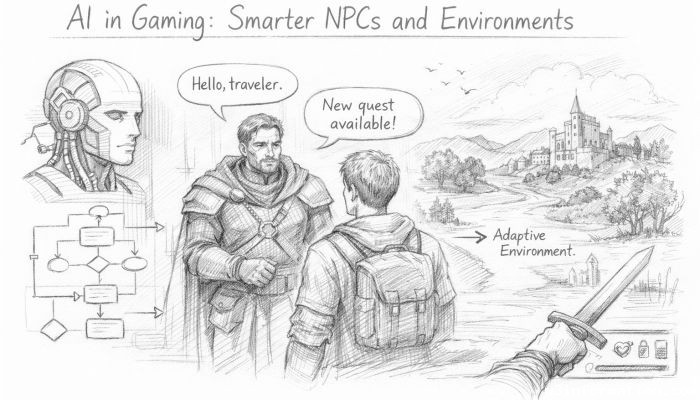 AI in Gaming: Smarter NPCs and Environments
 Understanding Bias in AI Algorithms
 Introduction to Chatbots and Conversational AI
 How Voice Assistants Like Alexa Work
 Federated Learning: AI Without Sharing Data