10 Life Lessons Every Teen Should Learn Before Graduation
Graduation marks a significant milestone in a teenager’s life—a transition from the structured world of school to the vast, unpredictable adult world. It is a time full of excitement, hope, and sometimes, uncertainty. As teens prepare to embark on their unique journeys, equipping themselves with essential life lessons can make the difference between simply surviving and truly thriving. These lessons aren’t just academic—they involve emotional intelligence, practical skills, and thoughtful perspectives that foster independence and resilience. From managing finances to building meaningful relationships, understanding failure, and cultivating self-awareness, the experiences and wisdom gained before graduation lay a crucial foundation for adulthood. In this article, we explore ten indispensable life lessons every teen should learn before they cross that stage, helping them step confidently into the future.
- The Value of Time Management
- Financial Literacy Is Essential
- Failure Is a Stepping Stone, Not a Setback
- Effective Communication Builds Bridges
- Cultivating Self-Awareness and Emotional Intelligence
- The Importance of Building a Strong Support Network
- Prioritizing Mental and Physical Health
- The Power of Critical Thinking and Open-Mindedness
- The Role of Responsibility and Accountability
- Embracing Change and Uncertainty
- The Significance of Setting Realistic Goals
- The Importance of Kindness and Gratitude
- Conclusion: Preparing for Life Beyond the Diploma
- More Related Topics
The Value of Time Management
One of the first life lessons teens should grasp is the importance of managing their time effectively. The ability to prioritize tasks, set goals, and allocate time wisely can drastically reduce stress and increase productivity. Time management fosters discipline—something that goes beyond academics and helps in managing work, social life, and personal interests as well. Learning to avoid procrastination now not only leads to better grades but equips teens with lifelong skills in meeting deadlines and balancing multiple responsibilities, a necessity in college and career environments.

Financial Literacy Is Essential
Money management is often overlooked in the school curriculum, yet it is fundamental to adult life. Teens should learn basic financial skills such as budgeting, saving, understanding credit, and the importance of living within their means. Grasping the concept of compound interest, avoiding debt traps like credit card misuse, and learning to delay gratification through saving can prevent future financial struggles. Financial literacy empowers teens to make informed decisions about spending, investing, and planning for their financial futures rather than falling prey to poor money habits.
Failure Is a Stepping Stone, Not a Setback
Many teens fear failure, viewing it as something shameful or final. However, understanding that failure is a natural and valuable part of growth is crucial. Mistakes and setbacks offer lessons that help refine strategies, build resilience, and encourage perseverance. When teenagers learn to embrace failure as feedback rather than defeat, they develop a growth mindset that motivates continuous learning and improvement. This perspective encourages risk-taking and innovation, which are key in both personal development and professional success.
Effective Communication Builds Bridges
Whether it’s negotiating with peers, resolving conflicts, or expressing personal ideas, communication skills are vital. Teens should practice active listening, clear articulation of thoughts, and empathy to foster healthy relationships and avoid misunderstandings. Effective communication also involves nonverbal cues and emotional intelligence—knowing when to speak, when to listen, and how to adapt messages for different audiences. Mastery of these skills not only enhances social connections but also aids in leadership roles and career prospects.
Cultivating Self-Awareness and Emotional Intelligence
Understanding oneself—recognizing one’s strengths, weaknesses, emotions, and triggers—is a powerful tool. Emotional intelligence helps teens navigate social environments, handle stress, and make conscious choices. Self-awareness leads to better decision-making and fosters empathy towards others. Developing this skill before graduation equips teens to manage relationships more effectively and enhances their mental well-being. It also contributes to a strong sense of identity, preventing many of the insecurities and peer pressures common during adolescence.
The Importance of Building a Strong Support Network
No one succeeds alone. Learning to build and maintain a reliable support system comprising family, friends, mentors, and counselors is essential. These connections provide guidance, encouragement, and safety nets during challenging times. Teens should understand the value of mutual support and be willing to both seek help and offer it. These relationships contribute significantly to emotional health and create opportunities for personal and professional growth.
Prioritizing Mental and Physical Health
During the busy years of high school, teens often neglect health in favor of academic or social pursuits. However, good mental and physical health form the cornerstone of a fulfilling life. Developing healthy habits like regular exercise, balanced nutrition, adequate sleep, and stress management techniques can prevent long-term issues. Moreover, understanding the importance of mental health—seeking help when needed and practicing mindfulness—builds resilience against anxiety and depression, which commonly affect young people.
The Power of Critical Thinking and Open-Mindedness
In a rapidly changing world, the ability to analyze information critically and remain open to diverse perspectives is invaluable. Teens should learn to question assumptions, evaluate sources, and think independently rather than accepting information at face value. Open-mindedness fosters tolerance and adaptability, two traits necessary for navigating cultural diversity and complex global issues. With critical thinking skills, teens become informed citizens capable of making thoughtful decisions.
The Role of Responsibility and Accountability
Graduation is a step toward greater personal freedom, but it also comes with increased responsibility. Teens need to understand that their choices have consequences—both for themselves and others. Taking accountability for actions, admitting mistakes, and learning from them cultivates maturity. This lesson ties into integrity and trustworthiness, qualities highly valued in academic settings, workplaces, and relationships. Learning responsibility early facilitates smoother transitions into adulthood where autonomy is matched with expectations.
Embracing Change and Uncertainty
Life after high school often involves uncertainty—whether it’s choosing a career path, moving away from home, or adjusting to new social environments. Learning to embrace change rather than fear it helps teens stay flexible and resilient. Adaptability is a skill that allows individuals to thrive amid evolving circumstances. Viewing change as an opportunity for growth rather than a threat encourages optimism and a proactive approach to challenges.
The Significance of Setting Realistic Goals
Goal setting is a dynamic process that drives motivation and achievement. Teens should learn to set SMART goals—specific, measurable, achievable, relevant, and time-bound. Breaking larger ambitions into manageable steps makes progress tangible and prevents overwhelm. Celebrating small victories builds confidence and keeps momentum going. In the long run, goal-setting habits help teens direct their efforts toward meaningful personal and professional accomplishments.
The Importance of Kindness and Gratitude
Lastly, cultivating kindness and gratitude creates a positive outlook and enriches relationships. Acts of kindness not only benefit others but also boost the giver’s emotional well-being. Gratitude helps teens appreciate what they have, fostering contentment and reducing feelings of envy or dissatisfaction. These attitudes contribute to emotional resilience and create a supportive environment, reminding teens that success is not just about individual achievement but also about uplifting others.
Conclusion: Preparing for Life Beyond the Diploma
Graduation symbolizes more than just academic achievement; it is an initiation into adulthood’s vast and multifaceted landscape. The ten life lessons outlined here—ranging from time management and financial literacy to emotional intelligence and embracing change—form a critical toolkit for teens stepping into the world beyond school. By mastering these lessons, teens build confidence, independence, and resilience that serve them through higher education, careers, and personal lives. Importantly, these lessons encourage teens not only to succeed but to lead fulfilling and meaningful lives grounded in self-awareness, responsibility, and compassion. As each teen walks across that stage, equipped with these invaluable skills and perspectives, they move closer to creating a future that is as bright as their potential.
 Big O Notation Explained for Beginners
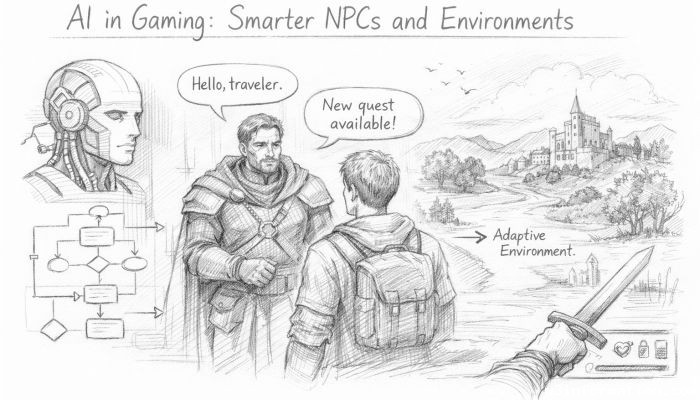 AI in Gaming: Smarter NPCs and Environments
 Understanding Bias in AI Algorithms
 Introduction to Chatbots and Conversational AI
 How Voice Assistants Like Alexa Work
 Federated Learning: AI Without Sharing Data