How to Build a Support System in High School
High school is a transformative period filled with challenges, growth, and self-discovery. Navigating this critical stage can often feel overwhelming as students face academic pressures, social dynamics, and the search for identity. One of the most valuable resources a student can cultivate during these years is a strong support system. A support system provides encouragement, guidance, and stability, empowering teens to overcome obstacles and flourish. This article explores how to build a robust and sustainable support system in high school, focusing on practical strategies, social connections, and emotional resilience. Whether you are starting high school or nearing graduation, understanding how to develop trustworthy and supportive relationships can significantly enhance your experience and pave the way for future success.
- Understanding the Importance of a Support System
- Start With Family: Your First Support Network
- Cultivate Friendships Based on Trust and Respect
- Connect With Teachers and School Counselors
- Join Clubs and Extracurricular Activities
- Utilize Online Communities Wisely
- Develop Effective Communication Skills
- Seek Out Mentorship Opportunities
- Prioritize Mental Health and Emotional Well-being
- Balance Giving and Receiving Support
- Learn to Navigate Conflicts Constructively
- Adapt and Expand Your Support Network Over Time
- Conclusion: Building a Foundation for Lifelong Support
- More Related Topics
Understanding the Importance of a Support System
Before delving into how to build one, it's essential to comprehend why a support system matters. A support system is a network of people you can rely on during difficult times and celebrate successes with. In high school, where stress and peer pressure abound, having reliable friends, family, and mentors offers emotional safety and practical help. Research shows teens with strong support systems have better mental health, higher academic achievement, and greater life satisfaction. Recognizing the value of these connections motivates students to actively engage in building their own networks.

Start With Family: Your First Support Network
For most students, family forms the initial pillar of support. Parents and siblings often provide unconditional love and guidance. Maintaining open and honest communication with your family about your experiences can fortify this foundational network. Share your goals, challenges, and feelings regularly to nurture understanding and empathy. Even if misunderstandings arise, the family unit remains the bedrock on which to build additional layers of support.
Cultivate Friendships Based on Trust and Respect
Friendships in high school can sometimes be fleeting or superficial, but focusing on deeper connections helps create a dependable support system. Seek friends who respect your values, listen attentively, and encourage your growth. Building trust takes time, so invest in getting to know potential friends well. Engage in shared activities like clubs, sports, or study groups to foster genuine bonds. True friends serve as sounding boards during tough times and celebrate your achievements authentically.
Connect With Teachers and School Counselors
Teachers and school counselors are invaluable resources in the high school support ecosystem. They possess experience, insight, and a vested interest in your success. Don’t hesitate to approach your teachers for academic help or career advice. Counselors can assist with emotional challenges, college planning, and personal development. Building rapport with these adults provides both practical support and mentorship, often opening doors to new opportunities and resources.
Join Clubs and Extracurricular Activities
Participating in clubs, sports, or arts programs creates natural avenues to meet like-minded peers and build friendships. These communities often foster teamwork and mutual support while enhancing your skills and interests. As you contribute and collaborate, you’ll find individuals who share your passions and values, strengthening your sense of belonging. Extracurricular involvement not only enriches your high school experience but also expands your network of allies.
Utilize Online Communities Wisely
In today’s digital age, social media and online forums can supplement your support system if used thoughtfully. Online groups related to your interests or well-being can connect you with diverse perspectives and support beyond your immediate environment. However, it’s crucial to engage safely and maintain a positive digital footprint. Balance online interactions with real-life connections to build a well-rounded support network.
Develop Effective Communication Skills
Building a support system depends heavily on your ability to communicate clearly and empathetically. Practice active listening, expressing your thoughts openly, and offering support to others. Effective communication fosters understanding and trust, essential components of any relationship. When you articulate your needs and boundaries respectfully, you create an environment where others feel comfortable reciprocating.
Seek Out Mentorship Opportunities
Mentors can radically transform your high school journey by providing guidance, encouragement, and perspective. These may be older students, community leaders, coaches, or family friends. Seek individuals who inspire you and show willingness to invest time in your development. Mentors not only help navigate academic and personal challenges but also introduce you to broader networks and opportunities.
Prioritize Mental Health and Emotional Well-being
Being mindful of your mental health strengthens your ability to build and maintain supportive relationships. When overwhelmed or anxious, reaching out for help is a sign of strength, not weakness. Many schools offer mental health resources such as counseling, peer support groups, and wellness programs. Investing in self-care and emotional literacy improves resilience, making it easier to both seek and provide support within your network.
Balance Giving and Receiving Support
Support systems thrive on reciprocity. While it’s natural to seek help during challenging times, offering help and encouragement to others solidifies bonds. Being empathetic and dependable builds mutual respect and deepens connections. Volunteer your time, listen to others’ issues, and celebrate their milestones. This balanced exchange fosters a positive and sustaining support environment.
Learn to Navigate Conflicts Constructively
No support system is free from disagreements or misunderstandings, but learning to handle conflicts constructively is crucial. Approach conflicts with a problem-solving mindset rather than blame. Communicate your perspective calmly and listen to others’ viewpoints. Healthy conflict resolution not only repairs relationships but strengthens them by building trust and respect.
Adapt and Expand Your Support Network Over Time
As high school progresses, your needs and circumstances change, requiring adaptation in your support system. Don’t hesitate to reach out to new people or let go of toxic relationships that hinder your growth. Continuously investing in diverse, healthy connections prepares you for the transitions after high school. A dynamic support system reflects your evolving identity and supports your long-term success.
Conclusion: Building a Foundation for Lifelong Support
Building a support system in high school is a lifelong investment that pays dividends beyond the classroom. By nurturing family ties, cultivating meaningful friendships, connecting with mentors, and actively engaging in your community, you create a network that fosters resilience, confidence, and growth. Effective communication, mental health awareness, and the ability to adapt further enrich these connections. Remember, a support system is not just about receiving help; it’s about building mutual trust and support that empowers everyone involved. As you navigate high school’s challenges and triumphs, a strong support system becomes your anchor and springboard—helping you navigate today’s hurdles while preparing for tomorrow’s opportunities.
 Big O Notation Explained for Beginners
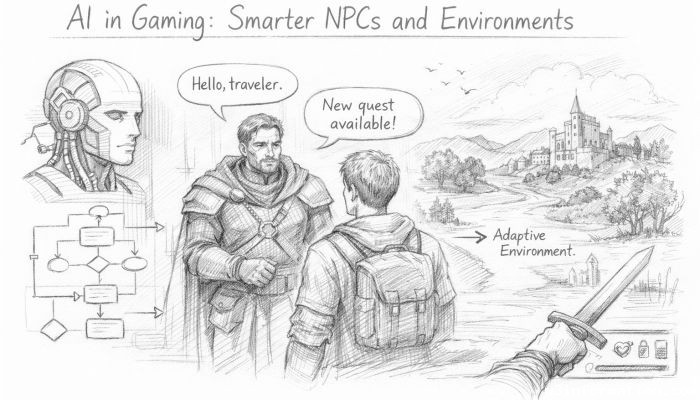 AI in Gaming: Smarter NPCs and Environments
 Understanding Bias in AI Algorithms
 Introduction to Chatbots and Conversational AI
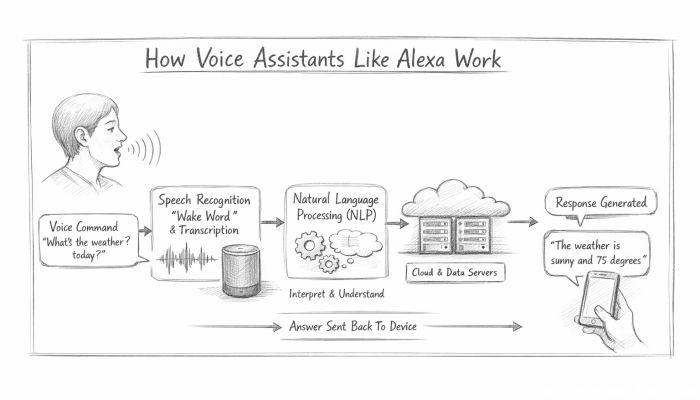 How Voice Assistants Like Alexa Work
 Federated Learning: AI Without Sharing Data