How to Develop Your Creativity as a Teenager
Creativity is a powerful force that fuels innovation, self-expression, and problem-solving. For teenagers, developing creativity is not only a way to explore individual talents and passions but also an essential skill that can shape future success in academics, careers, and personal growth. In a rapidly changing world where adaptability and originality are prized, nurturing your creative abilities during adolescence can open doors to endless possibilities. This article explores practical and inspiring ways for teenagers to cultivate creativity, tapping into imagination, resilience, and curiosity. Whether you’re someone who dreams of becoming an artist, inventor, writer, or just wants to approach the world with a more innovative mindset, this guide will provide you with actionable steps and insights to embark on a creative journey.
- Understanding Creativity: More Than Just Art
- Cultivating Curiosity: The First Step to Creativity
- Creating a Creative Environment
- Practicing Mindfulness and Observation
- Embracing Failure as a Learning Opportunity
- Exploring Different Creative Outlets
- Reading and Consuming Diverse Content
- Collaborating and Sharing Ideas with Others
- Setting Goals and Challenges
- Using Technology as a Creative Tool
- Building Self-Confidence through Creative Expression
- Maintaining Consistency and Patience
- Conclusion: Unlocking Your Creative Potential as a Teenager
- More Related Topics
Understanding Creativity: More Than Just Art
Creativity is commonly associated with artistic expression, but it extends far beyond drawing or painting. At its core, creativity is the ability to think differently, connect ideas in novel ways, and generate unique solutions. As a teenager, recognizing that creativity can manifest in various forms—writing, music, coding, cooking, or even problem-solving—broadens your opportunities to develop and apply it. Understanding this flexible definition helps to remove pressure or the misconception that creativity is only for ‘naturally gifted’ artists, encouraging everyone to embrace their creative potential.

Cultivating Curiosity: The First Step to Creativity
Curiosity is the engine of creativity; without it, there is no thirst for new ideas or knowledge. Teenagers can foster curiosity by asking questions about the world around them, seeking to understand how things work, and looking beyond the surface. Engaging with diverse subjects—from science to literature to history—stimulates your mind and invites new perspectives. Cultivating curiosity also means embracing uncertainty and being open to exploring unfamiliar areas, which often leads to creative breakthroughs.
Creating a Creative Environment
Your surroundings significantly influence how creatively you think and work. A cluttered, uninspiring space can stifle imagination, while an environment designed to inspire can fuel it. Teenage creative spaces might include a corner for sketching, writing, or building projects, decorated with items that spark joy or ideas like colorful posters, music, or natural elements such as plants. Additionally, limiting distractions like excessive screen time and fostering calm, focused moments contribute to deeper creative engagement.
Practicing Mindfulness and Observation
Mindfulness—the practice of being fully present—enhances creativity by sharpening your observation skills and helping you notice details others might miss. Spending time mindfully observing your environment, people, and experiences can lead to unique insights or ideas. For teenagers, daily moments of quiet reflection, journaling experiences, or simply paying attention to nature can deepen creative thinking and help generate novel connections.
Embracing Failure as a Learning Opportunity
One of the biggest hurdles to creativity is the fear of failure. Many teenagers hesitate to experiment or take risks because they worry about making mistakes or being judged. However, failure is an essential part of the creative process. Each setback provides valuable lessons and nudges you closer to breakthroughs. Embracing failure means adopting a mindset of resilience, where errors are not endpoints but stepping stones toward growth and innovation.
Exploring Different Creative Outlets
Experimentation with various creative activities broadens your skills and helps you discover what excites you. For teenagers, this might mean trying painting, writing stories, coding games, playing instruments, dancing, or even cooking new recipes. Each discipline cultivates different aspects of creativity, such as imagination, problem-solving, or emotional expression. Sampling a variety of outlets can also prevent creative blocks and keep the creative spark alive.
Reading and Consuming Diverse Content
Exposure to diverse ideas, cultures, and stories enriches your creative reservoir. Reading books, watching movies, listening to music, or exploring art from different genres and time periods introduces new concepts and viewpoints. For teenagers, this diversity fuels originality by combining influences in unseen ways. It also builds empathy and understanding, which are crucial for meaningful creative expression.
Collaborating and Sharing Ideas with Others
Creativity thrives in community. Sharing your ideas with peers, mentors, or family members can provide fresh perspectives and constructive feedback. Collaboration encourages dialogue, sparks new directions, and helps refine your creative projects. For teenagers, participating in clubs, workshops, or online forums connects you with like-minded individuals and broadens your creative network.
Setting Goals and Challenges
Structured goals can motivate you to develop creativity deliberately rather than waiting for inspiration to strike. Setting creative goals—like completing a short story, designing a piece of clothing, or programming a simple app—creates a sense of purpose and direction. Challenges, such as 30-day drawing prompts or coding contests, push your boundaries and build creative stamina. For teenagers, balancing goal-setting with flexibility ensures the process remains enjoyable rather than daunting.
Using Technology as a Creative Tool
Technology offers endless opportunities to enhance and express creativity. From digital art platforms and music production software to online writing workshops and coding environments, teens can access tools that empower innovation. Smart use of technology—for research, creation, or sharing—can amplify your creative reach and allow experimentation beyond physical limitations. However, mindful screen use and avoiding distractions remain important to maintain productivity.
Building Self-Confidence through Creative Expression
Confidence plays a vital role in tapping into creativity. The more you create, the more you believe in your abilities and unique voice. Teenagers can boost self-confidence by celebrating small victories and sharing work within supportive communities. Over time, this confidence nurtures risk-taking and deeper creative exploration, allowing you to push past comfort zones and develop authenticity.
Maintaining Consistency and Patience
Creativity is like a muscle that needs regular exercise. Consistency in creative habits builds momentum, improves skills, and deepens engagement. For teenagers facing busy schedules with school, extracurriculars, and social life, carving out dedicated time—even as little as 15 minutes a day—for creative practice helps keep the creative fire burning. Patience is equally crucial, as creative growth unfolds gradually rather than instantaneously.
Conclusion: Unlocking Your Creative Potential as a Teenager
Developing creativity as a teenager is a fulfilling and transformative journey that equips you with skills to navigate life’s challenges and opportunities with imagination and confidence. By understanding creativity’s broad scope, cultivating curiosity, creating inspiring environments, embracing failure, and exploring diverse outlets, you empower yourself to think innovatively and express yourself authentically. Collaboration, consistent practice, and mindful use of technology further enhance this growth. Ultimately, creativity is not just a talent but a habit—one that flourishes with patience, persistence, and passion. Embrace this exciting chapter of life as a canvas for discovery and creation; your creative potential is limitless.
 Big O Notation Explained for Beginners
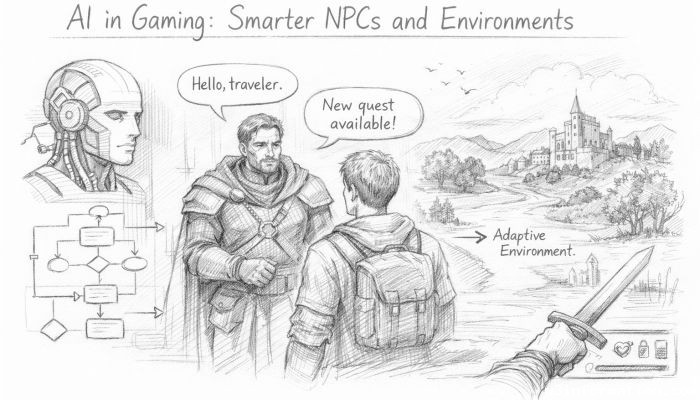 AI in Gaming: Smarter NPCs and Environments
 Understanding Bias in AI Algorithms
 Introduction to Chatbots and Conversational AI
 How Voice Assistants Like Alexa Work
 Federated Learning: AI Without Sharing Data