How to Navigate Peer Pressure and Stay True to Yourself
In every stage of life, from childhood through adulthood, peer pressure plays a significant role in shaping our decisions, behaviors, and sense of identity. Whether it’s feeling urged to conform to social norms, indulge in risky behavior, or suppress personal beliefs to fit in, peer pressure can be an overwhelming force. Yet, navigating these pressures while maintaining authenticity is not only possible but essential for long-term well-being and personal growth. This article delves into practical strategies, psychological insights, and empowering approaches to help you recognize peer pressure, resist negative influences, and embrace your true self with confidence and resilience.
- Understanding Peer Pressure: What Does It Mean?
- The Psychological Roots of Peer Pressure
- Identifying Different Forms of Peer Pressure
- The Role of Self-Awareness in Building Resistance
- Building Confidence: The Armor Against Conformity
- Developing Assertiveness Skills to Communicate Your Boundaries
- The Importance of Timeouts: Pausing Before You Act
- Selecting Friends Who Respect Your True Self
- Strategies for Saying No Gracefully
- Handling Guilt and Fear After Saying No
- Leveraging Role Models and Mentors for Guidance
- Embracing Your Unique Journey: The Power of Authenticity
- Conclusion: Navigating Peer Pressure with Courage and Clarity
- More Related Topics
Understanding Peer Pressure: What Does It Mean?
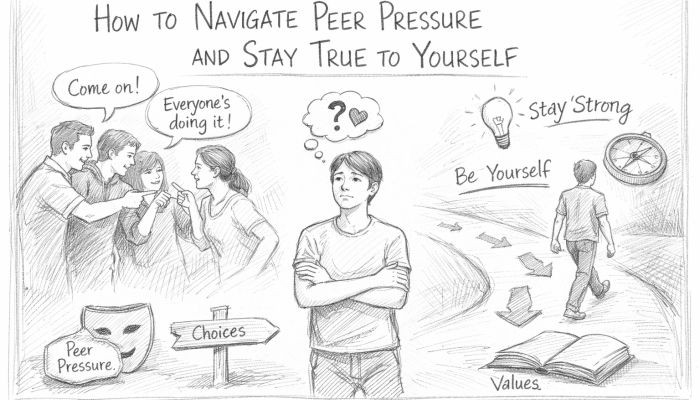
Peer pressure refers to the influence exerted by a peer group that encourages an individual to change their attitudes, values, or behaviors to conform to group norms. This influence can be direct, such as explicit demands or encouragement, or indirect, such as the subtle desire to fit in and avoid rejection. Understanding the dynamics and types of peer pressure—positive, negative, or neutral—is the first step in recognizing when you’re being swayed and determining your response accordingly. By developing awareness, you empower yourself to make conscious choices rather than reacting impulsively.
The Psychological Roots of Peer Pressure
At the core of peer pressure lies a deep-seated human need for social connection and acceptance. Evolutionarily, belonging to a group was essential for survival, making the desire to conform a natural impulse. Psychologically, individuals often seek approval and fear rejection, which drives conformity. This is especially pronounced during adolescence but continues into adulthood in various social contexts. Recognizing these psychological underpinnings helps reframe peer pressure not just as external coercion but as a complex interplay of internal and external forces.
Identifying Different Forms of Peer Pressure
Peer pressure manifests in multiple forms: overt, covert, direct, or subtle. Direct peer pressure might look like friends openly encouraging harmful behaviors, such as substance use or rule-breaking. Covert pressure could involve unspoken expectations or implied judgments when choices deviate from the group norm. Additionally, positive peer pressure exists, where encouragement fosters healthy habits or personal growth. Learning to recognize these variations allows you to respond appropriately and filter out negative influences without dismissing all group interactions.
The Role of Self-Awareness in Building Resistance
Self-awareness is a powerful tool in resisting negative peer pressure. Knowing your values, beliefs, and boundaries enables you to evaluate situations critically and decide whether to comply or stand firm. This inner compass acts as a defense mechanism, providing clarity when you face conflicting demands. Cultivating self-awareness includes reflecting on your motivations, emotions, and reactions, which creates space for thoughtful decision-making rather than impulsiveness.
Building Confidence: The Armor Against Conformity
Confidence strengthens your ability to uphold personal convictions even when faced with opposition. It fosters assertiveness, clear communication, and emotional resilience. Building confidence doesn’t require grand gestures; it starts with small victories, positive self-talk, and self-compassion. Surrounding yourself with supportive individuals and practicing skills such as saying no assertively can reinforce your confidence. As your assurance grows, the pressure to conform diminishes in power.
Developing Assertiveness Skills to Communicate Your Boundaries
Assertiveness is the respectful and clear expression of your needs, desires, and limits. It differs from passivity, which avoids confrontation, and aggression, which disregards others’ perspectives. Learning to assert yourself effectively involves using “I” statements, maintaining eye contact, and speaking calmly and firmly. These skills enable you to set boundaries without burning bridges, conveying that your choices deserve respect even if they differ from the group’s expectations.
The Importance of Timeouts: Pausing Before You Act
One common trap of peer pressure is acting without pausing to think. When confronted with pressure, taking a timeout—literally or mentally—can prevent rash decisions. This could involve excusing yourself temporarily, asking for time to consider, or simply breathing deeply to regain composure. Timeouts create mental space that allows for evaluating whether the influence aligns with your values or could lead to regret. Developing this habit strengthens self-control and decision-making.
Selecting Friends Who Respect Your True Self
Your social circle profoundly impacts your experience with peer pressure. Choosing friends who respect your individuality and support your choices reduces negative pressure and cultivates a nurturing environment. Look for relationships built on mutual respect, honesty, and encouragement rather than conformity. While no group is perfect, having allies who value authenticity makes resisting destructive peer pressure more manageable and rewarding.
Strategies for Saying No Gracefully
Saying no is often the most challenging part of resisting peer pressure. However, it’s a vital skill for maintaining integrity. Effective strategies include offering brief explanations, redirecting the conversation, or suggesting alternative activities. For instance, saying, “I’m not comfortable with that, but I’d love to hang out another way,” maintains social connection without compromising your values. Practicing these responses in advance can reduce anxiety and make declining easier in real situations.
Handling Guilt and Fear After Saying No
Even after standing firm, feelings of guilt, fear, or loneliness may arise. This emotional turbulence is natural—acknowledging these feelings without judgment prevents them from undermining your resolve. Reflect on why you said no and the benefits of that choice. Seeking support from trusted individuals or mentors can provide reassurance and perspective. Remember: staying true to yourself ultimately builds self-respect and long-term happiness, outweighing temporary discomfort.
Leveraging Role Models and Mentors for Guidance
Role models and mentors who exemplify self-assurance and authenticity offer valuable lessons in navigating peer pressure. Observing how they handle challenges, setting boundaries, or maintaining their values inspires and informs your own journey. Mentors also provide advice, encouragement, and accountability, boosting your confidence when pressures mount. Whether through personal relationships or public figures, positive role models are powerful pillars in your support system.
Embracing Your Unique Journey: The Power of Authenticity
Authenticity is a lifelong practice of aligning your actions and decisions with your inner truth. While peer pressure will never entirely disappear, embracing your uniqueness transforms challenges into opportunities for growth. Each choice to uphold your values reinforces your identity and self-worth. Over time, this authenticity attracts relationships and environments that nurture rather than pressure, creating a fulfilling life aligned with who you truly are.
Conclusion: Navigating Peer Pressure with Courage and Clarity
Peer pressure is a universal experience, presenting opportunities and challenges in equal measure. By understanding its nature, cultivating self-awareness, building confidence, and developing assertiveness, you gain the tools to navigate these influences without sacrificing your authenticity. Selecting supportive friends, practicing graceful refusals, and seeking guidance further bolster this journey. Ultimately, staying true to yourself is an act of courage that fosters resilience, enriches relationships, and empowers you to live a meaningful, fulfilling life. Embrace the process with patience, knowing that every step toward authenticity strengthens not only your character but also your capacity to inspire others along the way.
 How to Make the Most of Your Holiday Break
 The Best Winter Destinations for a Cozy Getaway
 How to Organize Your Holiday Travel Plans with Ease
 The Ultimate Guide to Cooking for a Crowd
 How to Make Healthy Comfort Food Without the Guilt
 5 Delicious Vegan Breakfast Ideas You Can Make in Minutes