10 Tips for Successfully Managing Remote Development Teams
In today’s fast-paced, digitally connected world, remote work has transformed from a niche arrangement to a mainstream model, especially within software development. Managing remote development teams presents a unique blend of opportunities and challenges. While geographically dispersed teams offer access to diverse talent pools and flexibility, they also require deliberate strategies to maintain productivity, communication, and cohesion. Successfully managing remote developers demands more than just technical oversight; it calls for a robust framework that fosters collaboration, trust, and engagement across virtual boundaries. This article explores ten essential tips for leaders aiming to manage remote development teams effectively, ensuring high performance, innovation, and satisfaction in a distributed work environment.
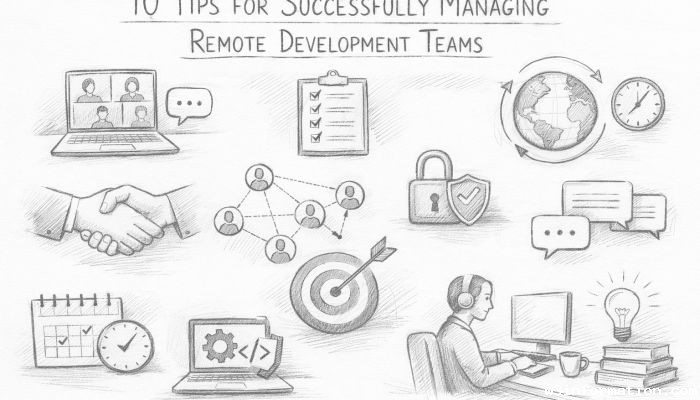
- Establish Clear Communication Channels
- Set Clear Goals and Expectations
- Invest in the Right Tools and Technologies
- Foster a Culture of Trust and Accountability
- Encourage Regular and Meaningful Feedback
- Prioritize Team Building and Social Interaction
- Manage Time Zones and Work Schedules Thoughtfully
- Promote Transparent and Open Documentation
- Support Professional Development and Learning
- Lead with Empathy and Adaptability
- Monitor Team Health and Prevent Burnout
- Celebrate Successes and Learn from Failures
- Conclusion
- More Related Topics
Establish Clear Communication Channels
Effective communication is the cornerstone of remote team success. With team members scattered across various locations, time zones, and cultures, ambiguity can quickly derail progress. To avoid this, define and standardize preferred communication tools—such as Slack for instant messaging, Zoom for video calls, and project management platforms like Jira or Trello. Clarify expectations around response times and message formats. Encouraging regular check-ins and synchronous meetings helps synchronize efforts while asynchronous updates ensure continuous progress without reliance on real-time interaction. Establishing these channels creates a reliable flow of information, minimizing misunderstandings and fostering transparency.
Set Clear Goals and Expectations
Remote developers work best when they know exactly what is expected of them. Ambiguity can lead to missed deadlines, scope creep, and frustration. Define clear, measurable goals for each team member and the team as a whole. Break large projects into manageable tasks with assigned ownership and timelines. Use frameworks like OKRs (Objectives and Key Results) or SMART goals (Specific, Measurable, Achievable, Relevant, Time-bound) to keep objectives aligned and trackable. When developers understand the purpose behind their work and how it contributes to the broader company mission, their motivation and focus increase.
Invest in the Right Tools and Technologies
The technological infrastructure you provide directly impacts a remote team's productivity. Equip your developers with reliable hardware, secure VPN access, and powerful development environments. Adopt collaborative coding tools such as GitHub, GitLab, or Bitbucket to facilitate version control and code reviews. Integration tools like CI/CD pipelines help automate testing and deployment, reducing bottlenecks. Additionally, sophisticated monitoring and analytics platforms can track progress and spot potential issues early. Prioritizing seamless, secure, and user-friendly technologies creates a foundation for developers to work efficiently without unnecessary friction.
Foster a Culture of Trust and Accountability
Trust is fragile but vital in remote contexts, where micromanagement is impractical and counterproductive. Encourage autonomy by empowering developers to own their tasks while instilling accountability through regular status updates and peer reviews. Avoid over-surveillance tools that can breed resentment; instead, focus on outcome-based metrics rather than monitoring hours logged. Building trust also involves recognizing competence and caring about individual wellbeing. Leaders who demonstrate empathy and confidence in their team members inspire reciprocal trust, which enhances collaboration and creative problem-solving.
Encourage Regular and Meaningful Feedback
Feedback is crucial for continuous improvement and engagement. Without spontaneous office conversations, remote developers can feel isolated and unsure about their performance or the team’s direction. Schedule regular one-on-one meetings to provide constructive feedback, discuss challenges, and identify growth opportunities. Cultivate a feedback-rich culture where peers also share insights respectfully during code reviews or retrospectives. Furthermore, encourage developers to seek feedback proactively. Meaningful feedback helps individuals adjust their approach, learn new skills, and feel more connected to the team and project goals.
Prioritize Team Building and Social Interaction
Even the most technically skilled teams falter without strong interpersonal bonds. Remote work’s virtual nature can hinder social interactions that build rapport and mutual understanding. Organize regular virtual team-building activities—ranging from informal coffee chats to online games and collaborative workshops. Celebrate milestones, birthdays, and personal achievements to humanize the team dynamic. When developers form genuine relationships, they communicate more openly, collaborate more effectively, and demonstrate greater loyalty. Investing in social connection reduces turnover and enhances team morale.
Manage Time Zones and Work Schedules Thoughtfully
One of the biggest challenges in remote development is coordinating across time zones. Avoid scheduling all meetings during overlapping hours that suit only one region, which can lead to burnout or disengagement elsewhere. Instead, adopt flexible scheduling practices, rotating meeting times fairly and respecting developers’ local working hours. Use asynchronous communication where possible to reduce delays caused by time differences. Document meeting outcomes thoroughly so those who miss sessions stay informed. Thoughtful time management shows respect for team members’ work-life balance and maintains steady momentum on deliverables.
Promote Transparent and Open Documentation
With remote teams, documentation takes on heightened importance. Relying on oral instructions or informal exchanges can lead to lost information and duplicated effort. Encourage detailed documentation of codebases, project requirements, design decisions, and troubleshooting procedures in accessible repositories. Employ tools like Confluence, Notion, or Google Docs to centralize knowledge and enable easy updating. Transparent documentation not only speeds onboarding and collaboration but also preserves institutional knowledge when team members transition. It empowers developers to self-serve and reduces dependencies on real-time communication.
Support Professional Development and Learning
Continuous learning drives innovation and job satisfaction for developers. Remote teams can suffer if opportunities for upskilling are limited. Promote access to online courses, certifications, webinars, and conferences relevant to your tech stack and broader industry trends. Encourage knowledge sharing through “lunch-and-learn” sessions or internal tech talks within the team. By investing in learning, you signal that individual growth matters, which can boost retention and enhance the team’s collective expertise. Moreover, keeping abreast of emerging technologies helps the team stay competitive and responsive to evolving project needs.
Lead with Empathy and Adaptability
Remote team management can be unpredictable, and rigid leadership styles often fail to address diverse individual circumstances. Lead with empathy by understanding developers’ personal challenges, whether related to workspace conditions, family responsibilities, or mental health. Offer flexibility and support when needed. Adapt your management practices based on team feedback and shifting project realities. Transparent communication around company changes, project pivots, or setbacks builds trust and resilience. Leaders who embody empathy and flexibility create an environment where developers feel valued and motivated, regardless of physical distance.
Monitor Team Health and Prevent Burnout
Remote developers may face the “always-on” trap, blurring work-life boundaries and increasing the risk of burnout. Pay attention to signs of fatigue, disengagement, or declining performance. Encourage reasonable work hours, regular breaks, and taking vacation time. Promote wellness initiatives and share mental health resources. Consider anonymous surveys or pulse checks to gauge team morale proactively. When leaders prioritize well-being alongside productivity, they cultivate a sustainable work environment that supports long-term success.
Celebrate Successes and Learn from Failures
Recognition fuels motivation and reinforces positive behaviors. Celebrate project completions, feature launches, or even small wins publicly within the team and the wider organization. Use these moments to highlight individual contributions and collective achievements. Conversely, treat failures or setbacks as learning opportunities rather than sources of blame. Conduct retrospectives to identify root causes and improvements needed. A culture that embraces transparency, learning, and recognition strengthens team cohesion and encourages ongoing innovation.
Conclusion
Managing remote development teams successfully requires a holistic approach that combines clear communication, goal-setting, technical infrastructure, and human-centered leadership. By establishing transparent channels, setting well-defined expectations, and fostering trust and accountability, leaders can unlock the full potential of distributed talent. Prioritizing social connection, empathy, and professional growth ensures that remote developers remain engaged, motivated, and healthy. Thoughtfully navigating time zones, documenting knowledge openly, and celebrating wins cement a resilient, innovative team culture. As remote work continues to evolve, embracing these ten tips can empower development teams to thrive irrespective of physical distance, driving meaningful outcomes for organizations and employees alike.
 Big O Notation Explained for Beginners
 AI in Gaming: Smarter NPCs and Environments
 Understanding Bias in AI Algorithms
 Introduction to Chatbots and Conversational AI
 How Voice Assistants Like Alexa Work
 Federated Learning: AI Without Sharing Data