Pair Programming: Pros and Cons
In the evolving landscape of software development, pair programming stands out as a collaborative technique designed to enhance code quality and foster teamwork. Rooted in the Agile methodology, this approach involves two programmers working side-by-side on the same task, sharing a single workstation—one "driver" writes code while the other "navigator" reviews each line in real time. The allure of pair programming lies in its promise to catch errors early, promote knowledge sharing, and boost productivity by merging skills and perspectives. However, despite its many touted benefits, pair programming is not without challenges. It demands significant interpersonal communication, can sometimes reduce individual autonomy, and might lead to increased fatigue. This article delves into the multifaceted world of pair programming, exploring both its advantages and disadvantages to provide a comprehensive understanding of when and how it can be most effectively implemented.
- What Is Pair Programming?
- The Origins and Evolution of Pair Programming
- Boosting Code Quality Through Real-Time Review
- Enhanced Knowledge Sharing and Skill Development
- Improving Team Communication and Collaboration
- Increased Productivity Versus Time Investment
- Pair Programming and Developer Burnout
- Compatibility and Interpersonal Challenges
- The Impact on Creativity and Problem Solving
- Remote Pair Programming: Opportunities and Obstacles
- Cost Considerations and Organizational ROI
- Best Practices for Successful Pair Programming
- Conclusion
- More Related Topics
What Is Pair Programming?
Pair programming is a software development technique where two programmers collaborate at one computer workstation on the same coding task. One programmer, known as the "driver," writes the code, while the "navigator" reviews each line, thinks strategically about the code’s direction, and anticipates potential pitfalls. This constant interaction facilitates immediate feedback, ensuring mistakes are minimized early on. Pair programming became a fundamental practice within Extreme Programming (XP), a subset of Agile methodologies emphasizing communication, simplicity, and rapid feedback. The essence of pair programming isn’t just about writing code together, but also about fostering a dynamic dialogue that can improve coding quality and developer skills simultaneously.

The Origins and Evolution of Pair Programming
While collaboration and teamwork have always been essential in software projects, formalized pair programming traces back to the 1990s with the rise of Extreme Programming, championed by Kent Beck. XP challenged traditional isolated coding approaches by emphasizing pair work to enhance code quality and adaptability. Over the years, pair programming evolved, adapting to remote work setups with modern screen-sharing tools and virtual collaboration platforms. Despite shifts in technology and work environments, the fundamental principles remain: combine the cognitive strengths of two developers to improve software robustness and developer knowledge. This historical lens clarifies why pair programming continues to be relevant, especially in fast-paced Agile teams.
Boosting Code Quality Through Real-Time Review
One of the most celebrated benefits of pair programming is code quality improvement. Since the navigator constantly reviews the driver’s work, errors, bugs, and suboptimal solutions are caught instantly, reducing the need for extensive debugging sessions later. This real-time peer review minimizes costly errors and supports adherence to best practices and coding standards. The constant dialogue means potential edge cases and design flaws surface early in development, resulting in cleaner, more maintainable codebases. Many teams report higher test coverage and fewer regressions when pair programming is employed consistently, highlighting its value in maintaining software reliability.
Enhanced Knowledge Sharing and Skill Development
Pair programming serves as an excellent medium for on-the-job learning. When a senior developer pairs with a junior, the less experienced programmer gains insights not only into technical skills but also problem-solving strategies, naming conventions, and development workflows. This accelerates onboarding and creates a continuous feedback loop conducive to professional growth. Even among developers of similar skill levels, pair programming fosters the exchange of different viewpoints and techniques, enriching both participants’ toolsets. Consequently, teams become more versatile and resilient, better prepared to handle diverse challenges and reduce knowledge silos that can bottleneck projects.
Improving Team Communication and Collaboration
Collaboration is foundational in software projects, and pair programming amplifies this by necessitating constant communication. Developers must articulate their thought process, listen actively, and negotiate coding approaches, which enhances interpersonal skills and builds trust within teams. Over time, these communication habits spill over into broader project activities such as design discussions, code reviews, and planning sessions. Regular pairing sessions can dissolve barriers between team members from different backgrounds or expertise areas, fostering a collaborative culture. Ultimately, these improved interpersonal ties contribute to more cohesive, productive teams.
Increased Productivity Versus Time Investment
One frequent debate around pair programming concerns productivity. At first glance, having two developers working on a single task may seem like a poor utilization of resources. However, proponents argue that reduced defect rates, fewer iterations, and faster problem solving compensate for the "lost" coding time. Some studies show that paired programmers deliver higher-quality features more quickly than those coding solo, especially on complex tasks requiring collective brainstorming. Nonetheless, productivity gains often depend on team dynamics and task nature; simple or routine tasks might not benefit as much. Thus, understanding when pair programming adds value versus when it might slow progress is critical for managers.
Pair Programming and Developer Burnout
While pair programming encourages collaboration, the intense focus and constant communication can lead to cognitive overload and fatigue. Developers often report that sustained pairing sessions are mentally exhausting compared to solo work due to the need to maintain active listening and continuous engagement. This can contribute to burnout if not managed with breaks, varied tasks, and alternating partners. Additionally, individuals with introverted inclinations might find pair programming draining, impacting their motivation and overall output. Hence, balancing pair programming with independent work and fostering a supportive environment is crucial to sustaining long-term developer well-being.
Compatibility and Interpersonal Challenges
Effective pair programming depends heavily on the interpersonal chemistry between partners. Differences in coding styles, communication preferences, or personality clashes can lead to frustration and decreased efficiency. Managing these dynamics requires emotional intelligence and sometimes facilitation or mediation by team leads. Moreover, power imbalances—such as pairing a junior with an intimidating senior—may inhibit open communication and learning, undermining the collaborative spirit. Thoughtful pairing strategies, such as rotating partners regularly and considering individual preferences, help mitigate these issues and preserve the benefits of pair programming.
The Impact on Creativity and Problem Solving
The collaborative nature of pair programming often sparks better problem-solving and encourages creativity by merging diverse ideas. Brainstorming together can open new avenues for tackling obstacles and refining solutions. However, in certain scenarios, constant oversight might inhibit a programmer’s freedom to experiment or think independently, potentially suppressing creativity. Additionally, too strong a dominance by one partner can lead to “groupthink” or premature convergence on a solution without exploring alternatives. Balancing structure with autonomy ensures the pair can harness the creative potential of collaboration without stifling individual innovation.
Remote Pair Programming: Opportunities and Obstacles
With the rise of remote work, pair programming has undergone technological transformation. Tools like Visual Studio Live Share, Tuple, and other collaborative coding platforms facilitate real-time code sharing and communication among distributed teams. Remote pair programming breaks geographical boundaries, enabling wider knowledge exchange. However, it introduces challenges such as latency, difficulty reading non-verbal cues, and potential distractions in heterogeneous home work environments. While remote pairing can be effective, organizations need to invest in appropriate training, tooling, and cultural adjustments to maintain the benefits found in co-located settings.
Cost Considerations and Organizational ROI
Despite its advantages, pair programming requires more upfront investment—both financially and in terms of time. Organizations must weigh whether the improved product quality and enhanced team skills justify the apparent higher labor costs. Not every organization or project may find pair programming cost-effective, particularly when deadlines are tight or when tasks are highly repetitive. Nonetheless, companies emphasizing long-term maintainability, fewer defects, and team growth often find a positive return on investment. Clear metrics and pilot implementations can help decision-makers evaluate the suitability of pair programming within their specific context.
Best Practices for Successful Pair Programming
Effectively implementing pair programming involves more than just seating two developers together. Successful practices include rotating pairs to spread knowledge, setting time-boxed sessions to manage fatigue, defining clear roles, and fostering open communication environments. Encouraging mutual respect and psychological safety ensures that both partners feel comfortable voicing opinions and admitting uncertainties. Incorporating breaks and mixing paired tasks with solo work also prevents burnout. Cultivating these habits tailors pair programming to fit team culture and project demands, significantly increasing its chances of success.
Conclusion
Pair programming embodies the spirit of collaboration central to modern software development, offering tangible benefits such as improved code quality, accelerated learning, and stronger team cohesion. However, it also presents significant challenges: increased time investment, potential interpersonal conflicts, and risk of developer fatigue. Its effectiveness depends on thoughtful application—matching appropriate tasks with compatible partners, balancing pair and solo work, and leveraging the right tools, especially in remote environments. Organizations that embrace these nuances can harness pair programming not just as a coding technique, but as a profound cultural enabler, fostering innovation and continuous learning. As software complexity continues to grow, pair programming remains a potent tool, capable of shaping more resilient, skillful, and collaborative development teams.
 Big O Notation Explained for Beginners
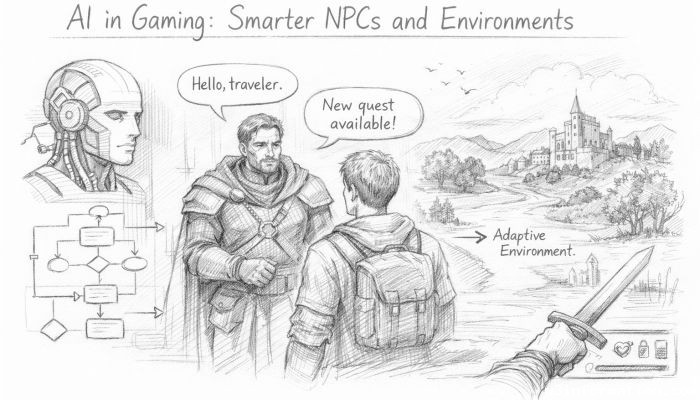 AI in Gaming: Smarter NPCs and Environments
 Understanding Bias in AI Algorithms
 Introduction to Chatbots and Conversational AI
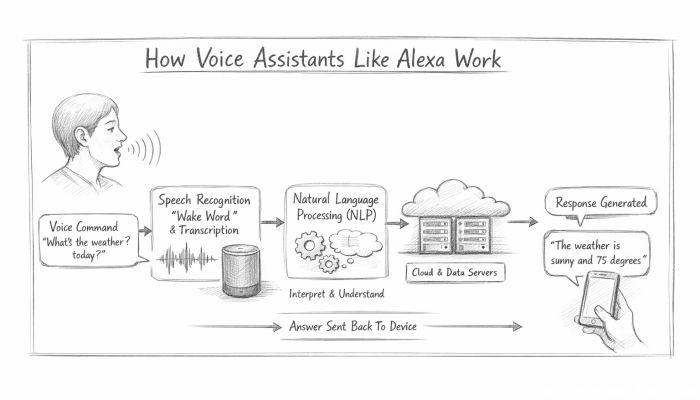 How Voice Assistants Like Alexa Work
 Federated Learning: AI Without Sharing Data