Best Online Resources for Learning Coding
Coding has become a vital skill in the digital age, and for good reason: it unlocks numerous opportunities for career growth and personal projects. From mobile apps and websites to games and data analysis, coding is at the heart of creating and understanding how technology works. Whether you are a beginner eager to learn the basics, a student looking to enhance your skills, or a professional wanting to stay competitive in the industry, the abundance of online resources can make the process of learning coding flexible and enjoyable. In this article, we will explore some of the best online resources for learning coding in 2025, so you can find the tools and guidance to start your programming journey.
- Interactive Coding Platforms: Learn by Doing
- Massive Open Online Courses (MOOCs)
- YouTube Channels for Visual Learners
- Coding Bootcamps for Intensive Learning
- Coding Communities and Forums
- Specialized Websites for Different Languages
- Mobile Apps for Coding on the Go
- Project-Based Learning Platforms
- Open Source Contribution as Learning
- AI-Powered Learning Tools
- Coding Podcasts and Blogs for Continuous Learning
- Online Coding Challenges and Competitions
- Conclusion
- More Related Topics
Interactive Coding Platforms: Learn by Doing
Interactive coding platforms, such as Codecademy and freeCodeCamp, are some of the most popular online resources for beginners and intermediate coders. These platforms allow you to learn by doing, as they provide hands-on coding exercises and projects in a wide range of programming languages, such as Python, JavaScript, and HTML/CSS. They also offer step-by-step instructions, instant feedback, and a live coding environment, so you can actively practice and master the coding concepts and skills. If you are looking for a flexible and engaging way to learn coding, interactive platforms are a great choice.

Massive Open Online Courses (MOOCs)
MOOCs are online courses that offer comprehensive learning materials created by universities and industry experts. Coursera, edX, and Udemy are some of the most well-known MOOC platforms that offer coding courses and specializations. They provide structured learning paths, video lectures, quizzes, assignments, and forums for discussion with other learners. MOOCs are ideal for learners who prefer a more structured and guided approach to learning, and they also offer the option to earn a certificate or credential to validate your skills and experience on your resume.
YouTube Channels for Visual Learners
Visual learners can benefit from YouTube channels that offer free coding tutorials and lessons. Channels like The Net Ninja, Traversy Media, and Programming with Mosh are great examples of high-quality YouTube channels that cover a wide range of coding topics, from web development to machine learning. The benefit of YouTube channels is that you can watch at your own pace, pause and rewind the videos, and code along with the instructor.
Coding Bootcamps for Intensive Learning
Coding bootcamps are intensive and immersive programs that aim to accelerate the coding learning process over a few weeks or months. Bootcamps, such as Le Wagon, General Assembly, and Flatiron School, focus on practical skills, real-world projects, and career support, so they are perfect for learners who are planning to change their career paths to the tech industry. Bootcamps are ideal for learners who can dedicate a significant amount of time and effort to learning coding and want to gain hands-on experience and job-ready skills.
Coding Communities and Forums
Online coding communities and forums are a great way to connect with other learners and experts, ask questions, and share your projects. Platforms like Stack Overflow, Reddit’s r/learnprogramming, and GitHub Discussions are popular online spaces where learners and professionals engage in collaborative learning and problem-solving. Joining a coding community can help you get feedback on your code, learn from other people’s experiences, and stay motivated in your learning journey.
Specialized Websites for Different Languages
Each programming language has its dedicated websites that provide in-depth tutorials and resources for learning. For example, Python.org and JavaScript.info are official websites for Python and JavaScript programming languages, respectively. They offer official documentation, tutorials, examples, and libraries for their respective languages. Specialized websites are useful for learners who want to dive deep into a specific language and learn it from the ground up.
Mobile Apps for Coding on the Go
Coding apps, such as Grasshopper, SoloLearn, and Mimo, are popular among learners who want to code on the go and learn in short bursts. These apps offer bite-sized lessons, challenges, and quizzes that are designed to teach coding concepts and skills on mobile devices. They are perfect for learning during your commute, lunch breaks, or whenever you have some free time. The apps are often gamified and interactive, which helps keep learners engaged and motivated.
Project-Based Learning Platforms
Project-based learning is a proven method of learning that helps you solidify your coding knowledge by building projects. Platforms, such as Project Euler and Codewars, offer coding challenges and puzzles that require you to write code to solve real-world problems. Project-based learning is beneficial for learners who prefer a hands-on approach to learning and want to apply their coding skills to practical scenarios.
Open Source Contribution as Learning
Contributing to open-source projects on platforms, such as GitHub, is a valuable way to gain experience in real-world projects. Open-source contribution can also be a great way to learn coding, as beginners can start by contributing to documentation, bug fixes, or feature enhancements under the mentorship of experienced developers. Open-source contribution not only exposes learners to collaborative workflows and best practices, but it is also an excellent way to build your professional network in the tech industry.
AI-Powered Learning Tools
Artificial intelligence is making coding education more accessible and personalized with tools like ChatGPT Code Companion and Khan Academy’s AI Tutor. These AI-powered learning tools provide instant explanations, code review, and suggestions based on your learning progress. They offer a more adaptive and efficient learning experience, as they can tailor the learning content to your level and interests.
Coding Podcasts and Blogs for Continuous Learning
Coding podcasts, such as Syntax.fm, and blogs, such as CSS-Tricks or Smashing Magazine, are a great way to keep up with the latest trends, technologies, and best practices in the coding world. Listening to podcasts or reading blogs in your spare time is a great way to complement your hands-on learning and stay curious and engaged with the coding community.
Online Coding Challenges and Competitions
Online coding challenges and competitions are a fun way to test your coding skills and learn new concepts. Platforms, such as HackerRank, LeetCode, and Codeforces, offer coding challenges and competitions that test your algorithmic thinking and coding skills under time pressure. Participating in coding competitions is a great way to practice for technical interviews, benchmark your coding skills with other developers worldwide, and stay motivated to improve your coding abilities.
Conclusion
The availability of online resources to learn coding is vast and diverse, catering to every learner’s preferences and needs. From interactive coding platforms and MOOCs to AI-powered learning tools and coding communities, the options are endless. The key to a successful coding journey is to find the resources that work for you, combine them with consistent practice and curiosity, and enjoy the learning process. By doing so, you can develop valuable coding skills that will help you succeed in your career, create amazing projects, and make a difference in the technology-driven world of today and tomorrow.
 Big O Notation Explained for Beginners
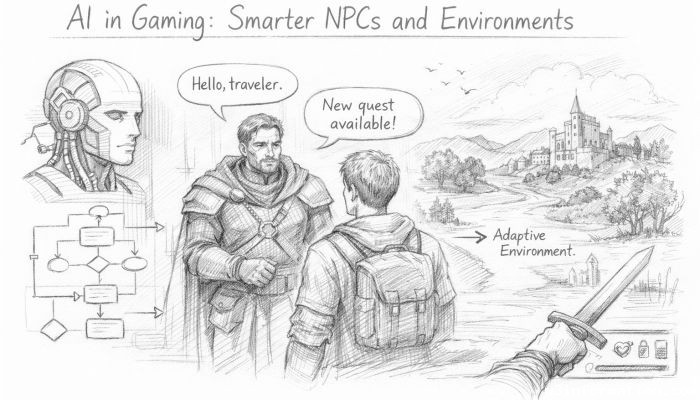 AI in Gaming: Smarter NPCs and Environments
 Understanding Bias in AI Algorithms
 Introduction to Chatbots and Conversational AI
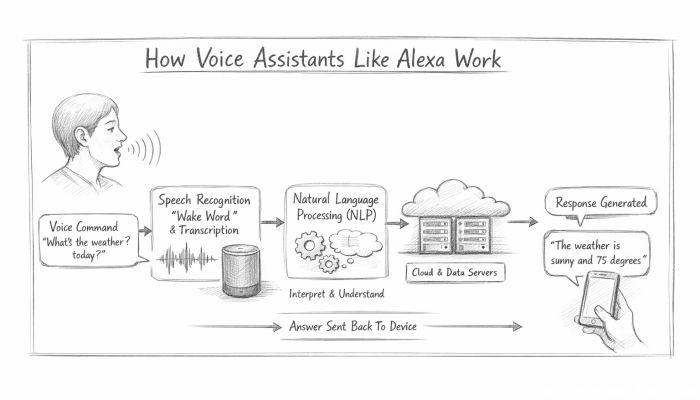 How Voice Assistants Like Alexa Work
 Federated Learning: AI Without Sharing Data