How to Encourage Your Child’s Curiosity and Love of Learning
Curiosity is the foundation for a child’s lifelong learning. A curious child who loves to explore and learn new things develops better critical thinking skills, becomes a lifelong learner, and is more likely to have a positive attitude towards learning throughout life. Curiosity is also critical for a child’s mental development and emotional well-being.
In this blog, we provide you with some practical strategies to help your child build curiosity and a love of learning.
- Be a Curious Role Model
- Make Your Home a Learning Environment
- Encourage Open-Ended Play
- Encourage Questions and Exploration of Answers
- Make Learning Fun and Interactive
- Take Learning Outside the Classroom
- Connect Learning to Real-Life Experiences
- Encourage Independent Thinking and Self-Discovery
- Create a Positive, Supportive Learning Environment
- Conclusion
- More Related Topics
Be a Curious Role Model
Children learn by observing the behavior of adults around them. If you are a parent, caregiver, or educator, being a good role model for curiosity is one of the most important things you can do.
a. Show Interest in Learning New Things
Demonstrate to your child that learning is for life. Whether you learn new hobbies, explore a new subject you’ve always wanted to learn, or just read a new book, make sure to do it with enthusiasm and share it with your child. Curiosity is contagious.
b. Ask Questions and Explore the Answers
Ask open-ended questions like “I wonder why the sky is blue?” or “What would happen if we did this differently?” Then, together, find the answers to those questions. Use books, do experiments, or do some research online. This will teach children that the process of learning is just as important as the outcome.
Make Your Home a Learning Environment
The environment in which a child lives can also significantly impact their curiosity and desire to learn. By creating a home rich in learning opportunities, you can create an environment where curiosity is nurtured.
a. Encourage Exploration Through Books
Books are one of the most powerful tools for developing a child’s imagination and curiosity. Ensure your child has access to a variety of books of all kinds – from picture books to non-fiction. Create a comfortable reading corner and encourage your child to read daily, even if it’s just for 5-10 minutes.
b. Provide Opportunities for Hands-On Learning
Hands-on activities like puzzles, building sets, and art materials can help children learn through doing. Encourage your child to build, create, and experiment with things like blocks, arts and crafts, or science kits. This not only teaches problem-solving skills but also encourages exploration through play.
c. Foster a Growth Mindset
Encourage children to take pride in their efforts. Encourage a growth mindset by praising their effort and not just the results. Praise children for trying their best and for the process of learning, even if they make mistakes. When children learn that mistakes are part of the learning process, they are more likely to stay curious and continue exploring.

Encourage Open-Ended Play
Play is a vital tool in developing curiosity and the ability to learn. Open-ended play is a type of play with no predetermined outcome or set of rules. It allows children to explore their imagination and problem-solving skills while having fun.
a. Provide Materials for Creative, Unstructured Play
Offer your child items like crayons, clay, building blocks, or even dress-up clothes. This allows children to explore their creativity and helps develop important skills like spatial awareness, fine motor skills, and social interaction.
b. Let Your Child Lead the Play
Do not direct or control the play but let your child take the lead. Encourage imaginative play and allow children to set the rules and structure. Children who feel ownership over the learning process are more likely to stay curious and creative.
Encourage Questions and Exploration of Answers
Questions are the driving force of curiosity. When children ask questions, it is important to provide them with the opportunity to explore the answers.
a. Be Open and Patient with Questions
Encourage children to ask as many questions as they like, no matter how often or unimportant they may seem. Do not just give them the answers; instead, help them find the answers on their own. You can ask, “What do you think?” or “How could we figure that out?” to help them develop problem-solving skills.
b. Explore Resources Together
Make use of the resources available, including books, the internet, and even visiting museums. Doing this with your child teaches them that learning is not just something that happens in school but is a lifelong journey.
Make Learning Fun and Interactive
Children are more likely to be engaged in learning if it is enjoyable and interactive. The more fun they have with learning, the more they will be willing to explore and seek knowledge.
a. Gamify Learning Activities
Gamification involves incorporating games into learning. Games, such as board games, card games, and digital apps that teach math, reading, or science, can be a fun and engaging way for children to learn. Gamification creates an environment of friendly competition, rewards, and fun that keeps children engaged.
b. Incorporate Technology Balanced Way
Technology can be an excellent tool for learning in the digital age. There are educational apps, interactive videos, and online resources that provide an interactive learning experience. However, balance screen time with hands-on learning to ensure that the child has a well-rounded education.
Take Learning Outside the Classroom
Learning can also happen outside the classroom and the pages of a book. Real-world experiences provide a valuable opportunity for children to learn in a more dynamic way.
a. Explore Nature and the Outdoors
Nature can be a great teacher for children. Take your child on hikes, nature walks, or visits to the beach or park. Let them observe animals, plants, and natural phenomena. Encourage them to ask questions about the world around them, and help them explore those questions together.
b. Visit Museums, Zoos, and Cultural Centers
Museums, science centers, zoos, and cultural exhibits can provide children with an opportunity to learn about history, science, and the world around them. Let the child choose exhibits or topics that they are interested in. This encourages children to feel ownership of their learning and exploration.
Connect Learning to Real-Life Experiences
Children are more likely to learn when they can relate it to real-world experiences. Helping children see the real-life value of what they are learning can motivate them to learn more about those subjects.
a. Relate Learning to Everyday Activities
Try incorporating learning into everyday activities such as cooking, grocery shopping, or gardening. You can teach math concepts using recipe measurements or explore scientific principles while gardening. When children can connect learning to their daily lives, it does not feel like a chore but part of their everyday routine.
b. Encourage Problem-Solving Through Practical Tasks
Encourage your child to help with practical tasks around the house or with planning a family event. By helping with tasks like fixing things or organizing a party, children develop essential skills such as critical thinking, creativity, and decision-making.
Encourage Independent Thinking and Self-Discovery
Curiosity thrives when children are encouraged to explore their ideas and learning. Empower your child by providing opportunities for self-discovery and independent learning.
a. Encourage Independent Research
If your child has a specific question or topic that they are curious about, encourage them to find the answers independently. Teach them how to use library resources, search engines, and educational websites to find information. This will help develop their research and critical thinking skills.
b. Celebrate Curiosity Over Results
Praise the act of being curious rather than only the results. When children are praised for their effort and the process of learning, they are more likely to stay curious and continue exploring and learning.
Create a Positive, Supportive Learning Environment
Creating a positive and supportive environment is essential in nurturing children’s curiosity and love of learning. Children are more likely to explore new ideas when they feel safe, encouraged, and respected.
a. Encourage a Growth Mindset
Teach children that intelligence is not fixed but can grow through effort and persistence. Emphasize and celebrate progress, no matter how small, and teach them that mistakes are an opportunity to learn. This mindset encourages children to embrace challenges rather than shy away from them.
b. Be Patient and Provide Emotional Support
Curiosity can also lead to frustration, especially when learning new things. When children are struggling, be patient, and provide emotional support. Encourage and reassure them that learning is a journey and that persistence will pay off.
Conclusion
Curiosity and a love of learning are essential for a child’s academic and life success. By fostering a child’s natural curiosity, providing opportunities for hands-on learning, and creating an environment that values questions and self-discovery, you can help your child become a lifelong learner. By encouraging them to explore, question, and engage with the world around them, children can not only succeed academically, but also develop critical thinking, creativity, and problem-solving skills necessary for a happy and successful life. With your guidance and support, curiosity will grow and become a powerful force that will shape your child’s future.
 Big O Notation Explained for Beginners
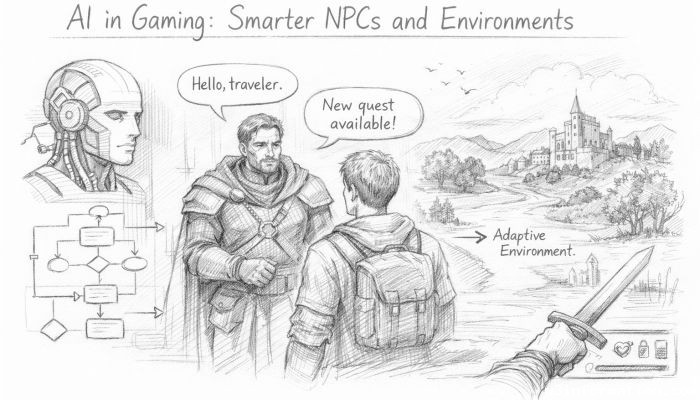 AI in Gaming: Smarter NPCs and Environments
 Understanding Bias in AI Algorithms
 Introduction to Chatbots and Conversational AI
 How Voice Assistants Like Alexa Work
 Federated Learning: AI Without Sharing Data