The Benefits of Family Volunteer Activities and Giving Back
In a fast-paced world marked by digital distractions and busy schedules, finding meaningful ways for families to connect and grow together can be challenging. One profoundly impactful solution lies in engaging in family volunteer activities and practicing the spirit of giving back. Volunteering as a family not only fosters stronger bonds but also cultivates empathy, social awareness, and a deeper understanding of community responsibility. By dedicating time and effort to help others, families create shared memories enriched with purpose and compassion. This article will explore the multifaceted benefits of family volunteering, highlighting how giving back can transform individual lives, improve family dynamics, and strengthen communities. Whether it’s participating in local charity events, supporting environmental projects, or helping those in need, family volunteerism is a powerful catalyst for positive change and personal fulfillment.
- Strengthening Family Bonds Through Shared Experiences
- Teaching Children the Value of Empathy and Compassion
- Cultivating a Sense of Social Responsibility
- Enhancing Communication and Conflict Resolution Skills
- Creating Lasting Memories and Traditions
- Improving Mental and Emotional Well-being
- Introducing Family Members to Diverse Perspectives and Communities
- Providing Educational Opportunities Beyond the Classroom
- Encouraging Healthy Lifestyle Habits
- Building Community Connections and Social Networks
- Teaching Gratitude and Contentment
- Inspiring Future Generations of Volunteers
- Conclusion
- More Related Topics
Strengthening Family Bonds Through Shared Experiences
Family volunteer activities provide unique opportunities for bonding beyond everyday routines. By participating in projects together, family members collaborate towards common goals, enhancing communication and cooperation. These shared experiences foster trust and mutual respect, as everyone contributes in meaningful ways. Moreover, volunteering introduces families to new environments and challenges, encouraging them to support one another and celebrate their collective achievements. Over time, these moments of teamwork can lead to deeper emotional connections and a stronger sense of belonging within the family unit.
Teaching Children the Value of Empathy and Compassion
One of the most significant benefits of family volunteering is the development of empathy in children. When kids witness and participate in acts of kindness and service, they learn to understand and share the feelings of others. This hands-on exposure to different life situations broadens their perspective and helps nurture compassion at an early age. Unlike theoretical lessons, real-world volunteering can make social issues tangible and relatable, inspiring children to become more socially conscious and caring individuals.

Cultivating a Sense of Social Responsibility
Family volunteer activities embed a sense of citizenship and responsibility within every family member. Volunteering exposes people to community challenges such as poverty, environmental issues, or health crises, fostering an awareness that extends beyond their own lives. By giving back, families instill values of altruism and civic duty, motivating children and adults alike to contribute positively throughout their lives. This commitment to community service often spurs lifelong habits of engagement and advocacy.
Enhancing Communication and Conflict Resolution Skills
Working together on volunteer projects requires clear communication and problem-solving, especially when tasks become complex or challenging. Families learn to express ideas, listen actively, and negotiate roles, strengthening their interaction skills. Additionally, volunteering can reveal underlying family dynamics and provide opportunities to address conflicts in a constructive environment. The collaborative nature of giving back promotes patience, flexibility, and understanding among family members.
Creating Lasting Memories and Traditions
Participating in community service can become a cherished family tradition that creates lasting memories. Annual volunteering events, seasonal charity drives, or weekend service projects can evolve into meaningful rituals that everyone looks forward to. These traditions not only reinforce family connections but also pass down the values of generosity and kindness from one generation to the next. Such consistent involvement encourages a legacy of compassion and social engagement that endures over time.
Improving Mental and Emotional Well-being
Engaging in volunteer work has well-documented mental health benefits, including reduced stress, enhanced mood, and a greater sense of purpose. For families, these benefits are amplified as members share positive experiences and emotional support. Acts of giving back can boost self-esteem and foster gratitude, contributing to overall emotional resilience. Volunteering also offers a break from routine pressures, providing families with refreshing and fulfilling activities that improve their well-being.
Introducing Family Members to Diverse Perspectives and Communities
Volunteering often brings families into contact with people from varied backgrounds and walks of life, broadening their social horizons. Exposure to different cultures, lifestyles, and challenges helps develop inclusivity and cultural sensitivity. These experiences can challenge stereotypes and promote open-mindedness, preparing children and adults to navigate a diverse and interconnected world with empathy and respect. It also encourages families to appreciate the richness of their community’s diversity.
Providing Educational Opportunities Beyond the Classroom
Family volunteer projects serve as informal classrooms where learning transcends textbooks. Children and adults acquire practical skills such as teamwork, leadership, organization, and project management. Additionally, social issues addressed through volunteer work can complement academic subjects like history, science, and social studies. This real-world learning fosters critical thinking, problem-solving, and civic literacy, equipping family members with knowledge and experience that enhance personal and academic growth.
Encouraging Healthy Lifestyle Habits
Many family volunteer activities promote physical movement and time spent outdoors, such as community cleanups, gardening projects, or sports programs. These physical activities not only benefit health but also create enjoyable and engaging ways for families to stay active together. Incorporating volunteerism into an active lifestyle supports better fitness and holistic health, while also instilling appreciation for nature and healthy habits.
Building Community Connections and Social Networks
Volunteering connects families with neighbors, local organizations, and fellow volunteers, expanding their social network. These connections can foster a profound sense of community and mutual support that extends beyond individual volunteer projects. Strong community ties enhance neighborhood safety, provide opportunities for collaboration, and create a supportive environment for families to thrive. Engaged families often play vital roles in building resilient, compassionate communities.
Teaching Gratitude and Contentment
Through volunteering, family members gain firsthand awareness of the struggles faced by others, which often instills a sense of gratitude for their own circumstances. This recognition cultivates contentment and reduces entitlement, encouraging appreciation for everyday blessings. Gratitude is a powerful emotional state linked to increased happiness and generosity, creating a positive feedback loop that benefits both givers and recipients.
Inspiring Future Generations of Volunteers
When families engage in volunteer work together, they model the importance of giving back for younger generations. Children raised in environments that value service are more likely to continue volunteering as adults, perpetuating a cycle of kindness and community involvement. This intergenerational impact ensures that the culture of altruism and civic engagement remains vibrant, benefiting society as a whole for years to come.
Conclusion
Family volunteer activities and giving back offer a wealth of benefits that extend far beyond the immediate act of service. They strengthen family bonds, nurture empathy, and foster a deep sense of social responsibility. Through shared experiences, families improve communication, create treasured memories, and inspire lifelong habits of generosity. Scholars and psychologists alike recognize the positive impact on mental wellness, education, and community cohesion. Importantly, family volunteering introduces members to diverse perspectives, building a more inclusive and compassionate society. As families unite to serve, they not only transform communities but also enrich their own lives with purpose and joy. Embracing the practice of giving back together is a timeless investment in both family and the greater good—a gift whose rewards are immeasurable and enduring.
 Big O Notation Explained for Beginners
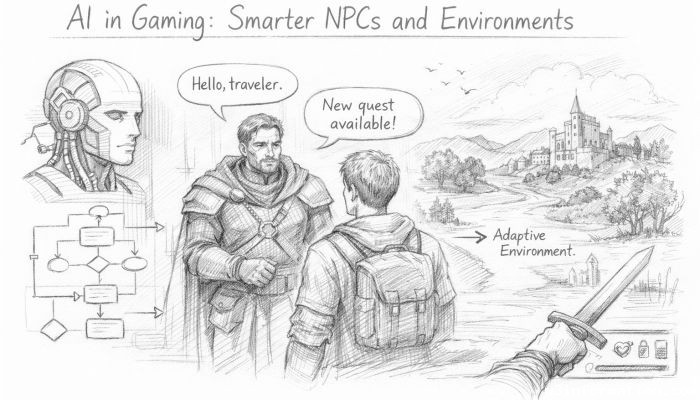 AI in Gaming: Smarter NPCs and Environments
 Understanding Bias in AI Algorithms
 Introduction to Chatbots and Conversational AI
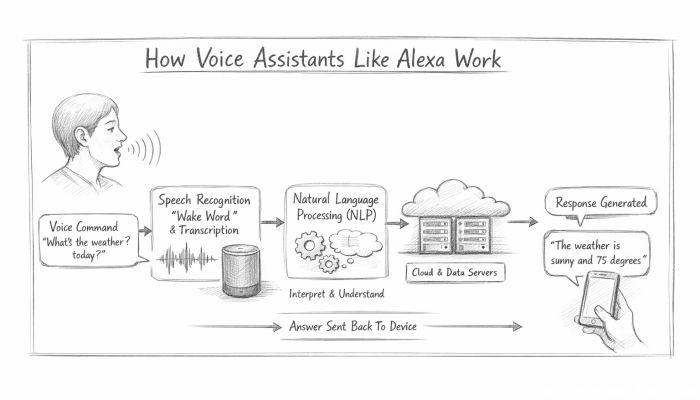 How Voice Assistants Like Alexa Work
 Federated Learning: AI Without Sharing Data