How to Adapt to Cashless Living
The world is moving swiftly toward a cashless society—a trend driven by convenience, technology, and the broader acceptance of digital payments. From contactless cards and mobile wallets to QR code scanning and cryptocurrencies, money is becoming more abstract than ever. For some people, this change means greater convenience than they’ve ever known before. For others, it raises new questions of security, accessibility, and control. But one thing is for sure: learning how to live in a cashless society is no longer a choice, it’s a financial survival skill. To adapt to a cashless world, you need to understand the tools, protect your transactions, and reframe the way you approach spending and saving without physical currency. In this article, we will delve into the transition to cashless systems, explore the benefits and risks of this shift, and provide practical tips to help you (and your family) make this new financial landscape work for you.
- Understanding the Shift Toward a Cashless Society
- The Advantages of Cashless Living
- Choosing the Right Digital Payment Methods
- Setting Up Mobile Wallets and Digital Accounts
- Developing Digital Budgeting and Spending Habits
- Ensuring Security in a Cashless World
- Managing Emergencies Without Cash
- Teaching Cashless Habits to Families and Children
- Embracing Contactless and QR Code Payments
- Integrating Cashless Payments into Everyday Life
- Navigating Privacy and Data Concerns
- Exploring the Role of Cryptocurrencies and Digital Currencies
- Maintaining Financial Discipline in a Cashless World
- The Future of Cashless Living
- Conclusion
- More Related Topics
Understanding the Shift Toward a Cashless Society
The global economy is in the middle of a transformation as traditional cash transactions are being replaced by digital alternatives. Mobile technology advancements, increased internet penetration, and financial innovation have made digital payments faster, safer, and more convenient than ever. In addition, governments and central banks are also promoting cashless transactions to reduce fraud, increase transaction transparency, and boost tax collection efficiency. In some countries like Sweden and South Korea, the cash usage has already dropped to less than 10% of all transactions. Understanding this fundamental shift is the first step toward successful adaption—it’s important to realize that the move to cashless living is not just about new payment technology but also a change in the way we think about, exchange, and control value.

The Advantages of Cashless Living
Living a life without cash is not only convenient, but it also comes with several advantages. First, using digital payments eliminates the need to carry and store physical money, which means less risk of loss or theft. Digital payments are also much more efficient than cash transactions, allowing you to instantly send or receive money from anywhere in the world. Managing your budget is easier with digital transactions because most digital wallets and apps offer real-time tracking and automatic categorization of expenses. Plus, living without cash promotes financial inclusion, since even small businesses and freelancers can now seamlessly accept payments. Contactless payments have also become more popular during the pandemic due to their hygiene benefits. Embracing digital transactions can bring many benefits to your financial life, including greater efficiency, record-keeping, and more control over your spending habits.
Choosing the Right Digital Payment Methods
The first practical step in adapting to cashless living is to choose the right digital payment tools for your lifestyle. There are several types of cashless payment systems commonly used, including credit and debit cards, mobile wallets (Apple Pay, Google Pay, Samsung Pay), and payment apps (PayPal, Venmo, Cash App, etc.). For international transfers or traveling, you may also want to use online platforms like Wise or Revolut, which offer low or no-fee currency conversions. It is essential to understand the features and limitations of each platform you use—some prioritize speed, some offer greater security or lower fees. I personally like to use a combination of digital wallets and cards to have a backup in case one fails, and to keep different kinds of transactions separate. For example, I use my digital wallet for everyday purchases, and a separate card for subscriptions.
Setting Up Mobile Wallets and Digital Accounts
Mobile wallets are a fundamental component of cashless living. Mobile wallets store your payment information in a secure digital “wallet” and allow you to pay by scanning a QR code, tapping your phone at a reader, or clicking online. Setting up a digital wallet is very easy: you just need to download the app, link it to your bank account or credit card, and set up your security preferences (password, fingerprint, face recognition, etc.). Most digital wallets also offer some additional features, such as loyalty rewards, cashback, or spending insights, which can help you manage your finances better. Once your digital wallet is ready, you can use it for shopping at grocery stores, paying bills, online shopping, or sending money to friends and family. There is a wide variety of mobile wallets available, so it’s essential that each of them is linked to a reputable and regulated financial institution.
Developing Digital Budgeting and Spending Habits
Cashless spending can be abstract when you don’t see money physically changing hands. As a result, it is easy to lose track of your expenses and spend more than you should. One of the most important skills to developing a cashless life is digital budgeting. There are apps that will automatically connect to your bank accounts and classify your expenses, keep track of your savings, and warn you when you are about to exceed your budget. Mint, YNAB (You Need a Budget), and PocketGuard are examples of budgeting apps that automatically track and categorize your expenses. Some platforms will also allow you to set a daily or weekly spending limit to create a “cash envelope”-style budget digitally. Another common digital budgeting practice is to automate your savings by setting up regular transfers to your investment or savings accounts. The key to cashless spending is to be aware of your digital financial behavior and use technology to your advantage, not against it.
Ensuring Security in a Cashless World
Security is a primary concern when it comes to digital money, and rightly so. The good news is that modern digital payment systems have very strong security features in place. Most digital wallets, for example, use advanced data encryption, tokenization, and two-factor authentication (2FA) to protect your information. To further increase your digital safety, make sure to use strong passwords, avoid public Wi-Fi connections when making payments or using banking apps, and regularly monitor your accounts for suspicious activity. It is also worth noting that some banks offer virtual cards for online payments, which can be a handy extra layer of protection. You can also research and understand the fraud protection policies and liabilities of your bank or app to know your rights and how to respond in case of unauthorized charges. Security awareness is one of the crucial aspects of successful cashless living.
Managing Emergencies Without Cash
One of the common fears associated with the cashless life is the loss of the ability to use physical money during emergencies such as power outages or network disruptions. Of course, this is a valid concern, and a certain level of cash safety net is still advisable for such cases. The key is to be prepared: Keep some emergency cash on hand for when you need to pay for transportation or food. Many digital wallets and cards also offer offline payment options, which can work temporarily without an internet connection. Another useful tactic is to spread your cashless accounts or cards across different providers and platforms. In this way, if there is an issue with one system, you will still be able to access other cashless options. While moving to a cashless society reduces the need for physical cash, it is still a good idea to keep a small physical safety net.
Teaching Cashless Habits to Families and Children
Financial literacy is not a static skill, and as cashless transactions become the new standard, so should our approach to financial education. Parents should also start helping children to understand the concept of digital money—how to earn it, how to spend it, and how to save it. Some banks offer special children’s debit cards that allow parents to track spending and set allowances all digitally, such as Greenlight and GoHenry. The debit cards are linked to an app that also gamifies financial education for children, teaching them budgeting and financial goal-setting in a fun way. Encouraging teenagers to use budgeting apps and digital wallets responsibly can also help them build healthy money habits at an early age. For families, setting shared financial goals and managing them with digital tools can promote transparency and cooperation, reinforcing trust and accountability.
Embracing Contactless and QR Code Payments
Contactless and QR code payments are some of the most prominent and easily recognizable elements of a cashless society. You can now find them accepted at all sorts of places—shops, restaurants, street vendors, and even public transport. Contactless cards allow you to pay just by tapping the card on a reader, while QR codes are scanned and paid through an app. Services like Apple Pay, Google Pay, and Paytm have become all but universal. Contactless payment is not only faster, but also more hygienic than cash transactions. Embracing cashless payments like contactless and QR codes means you will be ready for the increasing number of cash-free spaces around you, and be able to pay without carrying or remembering any passwords or PINs.
Integrating Cashless Payments into Everyday Life
The full adaption to a cashless lifestyle is not possible without incorporating digital payments into all areas of life. This means using online banking to pay all of your bills, subscriptions, and recurring payments. Donations and tips can also be managed more easily and transparently online. It’s also becoming common for local businesses to accept cashless payments via online apps like Square, Zelle, or Venmo. Transportation systems are also adapting—using metro cards linked to smartphones or paying digitally with an app is now very common. As you transition to a cashless society, be sure to keep track of all your recurring payments and subscriptions so that you can recognize and cancel any you don’t recognize or want. Integrating cashless payments into your life in every way will make your financial management almost seamless and entirely automated.
Navigating Privacy and Data Concerns
A side effect of cashless society is also a significant increase in concerns about privacy, surveillance, and control. Every digital transaction leaves a digital footprint, which means more data and financial transparency that can be used for analytics, marketing, and governmental or third-party services. To mitigate this, be sure to choose payment platforms that are transparent in their data usage policies, and which respect data privacy and comply with privacy regulations like GDPR or CCPA. You can also limit your app permissions and use privacy-focused browsers and settings for online transactions. Cryptocurrencies and blockchain-based payments can also offer decentralized and more anonymous cashless alternatives. Privacy is a critical part of successfully living without cash, and should be taken into consideration when choosing a payment system or app.
Exploring the Role of Cryptocurrencies and Digital Currencies
Cryptocurrencies like Bitcoin and Ethereum, and newly developed Central Bank Digital Currencies (CBDC) are another rapidly growing trend in the cashless world. Crypto may still be relatively volatile, but it is one of the next levels of digital money that is worth at least getting familiar with. You can already use Bitcoin or Ethereum to make purchases in some places that accept crypto-linked cards or digital wallets. The new CBDCs, meanwhile, are digital versions of government-backed fiat currencies, aiming to combine the efficiency of crypto with the stability of traditional money. In the future, cryptocurrencies and CBDCs will probably be one of the cornerstones of cashless living, so you may want to get ahead of the curve and at least try out how these new digital systems work.
Maintaining Financial Discipline in a Cashless World
The ease of digital spending can be both liberating and dangerous. It is much more tempting to overspend without a conscious action of paying and seeing physical money changing hands. As such, it is important to be disciplined and mindful in your digital financial life. You can set spending limits, use alerts to track your outflows, and review your digital statements every week. There are also several apps that provide spending insights and analytics, allowing you to track your spending by category and identifying where you could reduce your costs. You may also want to adopt the “24-hour rule” for impulse purchases. The key to cashless spending is to treat your digital money with the same care and mindfulness as physical cash would—you should be aware of every tap, click, or swipe, and how they relate to your financial goals.
The Future of Cashless Living
The transition to cashless living is already underway, but the future is likely to bring even more changes. Some of the potential future innovations in the cashless living space include biometric payments (fingerprints, facescan replacing payment cards), voice-activated transactions (AI assistants to help you pay), or new payment interfaces (smartwatches, rings, or even vehicles). Smart devices are already becoming new cashless tools, and there are also plans by governments to digitize social welfare and taxation, creating a fully integrated digital ecosystem. However, it is also essential to ensure the elderly population and rural communities do not get left behind, and have access to the same cashless services. The future of cashless living will be determined by the fine line between technological development and the accessibility, security, and ethical governance of these systems.
Conclusion
Adapting to cashless living is not a luxury, it is a necessity. It’s about understanding and using the new tools, systems, and changes in thinking that will dominate the future of finance. Choosing the right and secure platforms, automating your budgeting, maintaining security and privacy, and nurturing digital financial literacy will help you and your family to thrive in a cashless society. Yes, it may feel alien at first, but cashless living also has the potential to make your life simpler, more convenient, more empowering, and better prepared for the digital economies of the future. As our world continues to adapt to the new economic realities of the 21st century, those that understand and embrace the advantages of cashless systems will not only survive—they will be the ones to lead the way.
 Big O Notation Explained for Beginners
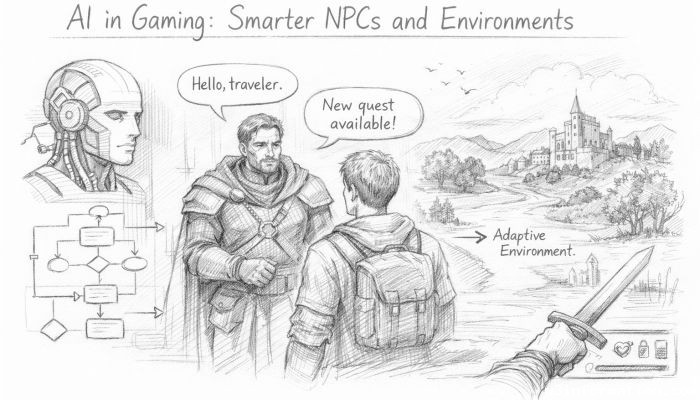 AI in Gaming: Smarter NPCs and Environments
 Understanding Bias in AI Algorithms
 Introduction to Chatbots and Conversational AI
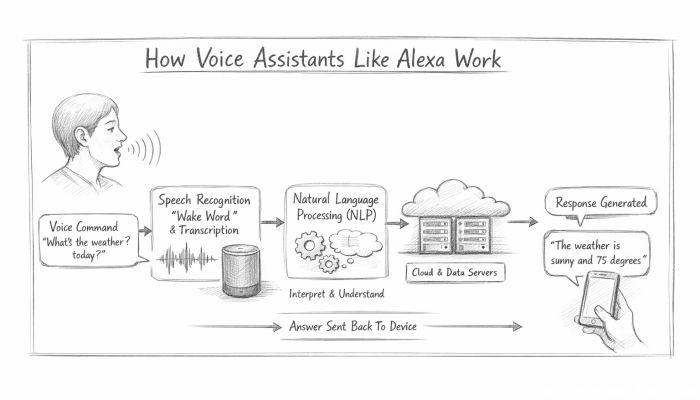 How Voice Assistants Like Alexa Work
 Federated Learning: AI Without Sharing Data