The Importance of Practicing Gratitude During the Holiday Season
The festive period is frequently portrayed as a time for delight, special occasions, and being together. However, for numerous individuals, it can also feel demanding—loaded with high hopes, monetary strain, packed schedules, and emotional intricacies. Amidst present lists, social get-togethers, and end-of-year thoughts, it's straightforward to overlook the essence of what this time is meant to embody. This is where thankfulness shifts from being merely an emotion to a stabilizing exercise.
Cultivating thankfulness during the holidays doesn't imply feigning flawless conditions. It’s about purposefully observing what is readily available—bonds, efforts, development, and kind gestures—despite the surrounding activity. In this piece, we will examine why practicing appreciation matters during the festive season, looking at its effect on mental well-being, personal bonds, and overall health. More significantly, we will concentrate on sensible methods to foster thankfulness that feel genuine, significant, and entirely relatable.
Thankfulness Redirects Attention From Shortages to Essentials
During this period, we often witness comparisons everywhere—grander parties, superior presents, happier families. This continuous comparison can subtly diminish satisfaction. Appreciation serves to redirect focus from what is lacking to what already enhances your life.
By consciously acknowledging valuable instances—meals shared, supportive discussions, or simple comforts—you ground yourself in reality rather than unfounded expectations. This redirection doesn't disregard difficulties; it establishes equilibrium by recognizing both challenges and blessings concurrently.

The Festive Season Heightens Feelings—Appreciation Stabilizes Them
The holidays tend to intensify emotions. Happiness can seem more vivid, yet feelings of isolation, sorrow, and pressure can also weigh more heavily. Thankfulness functions as an emotional anchor during these peak times.
When feelings become overwhelming, appreciation draws you back to the current moment. It offers a stable viewpoint that aids in navigating complexity instead of being completely overtaken by it. This stabilizing effect is particularly useful when feelings seem volatile or intense.
Appreciation Fortifies Kinship and Social Ties
At its heart, thankfulness concerns relationships. Expressing recognition—especially over the holidays—reinforces connections and deepens mutual understanding. A simple expression of thanks or acknowledging effort can transform interactions.
When individuals feel noticed and valued, friction lessens, and closeness grows. Appreciation minimizes misinterpretations and reminds us that bonds are built not on flawlessness, but on acknowledgment and care.
Practicing Thankfulness Eases Holiday Tension and Worry
Stress frequently arises from a sense of falling behind, being overloaded, or lacking control. Appreciation doesn't remove obligations, but it alters how you perceive them.
By noting what is progressing well—advancements made, assistance received, or pockets of tranquility—you lessen the nervous system's constant sense of urgency. Studies consistently indicate that acts of appreciation lessen stress hormones and aid emotional management, making the holiday season more manageable and less draining.
Appreciation Helps Redefine Achievement During the Holidays
Many gauge holiday success by external benchmarks: perfectly wrapped gifts, elaborate dining, or completely full social calendars. Appreciation suggests an alternative definition—one rooted in purpose rather than outward display.
When you prioritize thankfulness over accomplishment, the festive season becomes less about impressing others and more about authentic connection. Success transforms into a feeling, not a checklist item.
Instilling Thankfulness in Children Cultivates Enduring Values
The holiday season provides a prime chance to demonstrate appreciation to youngsters. When children observe adults openly and genuinely expressing thankfulness, they learn to emulate it.
Including children in rituals of appreciation—sharing things they value, writing notes, or reflecting on kindness—builds empathy and emotional insight. These lessons reach far beyond the holidays, influencing how children engage with the world throughout their lives.
Appreciation Promotes Mindful Purchasing
The holidays often center on acquiring—gifts, decorations, food items. While generosity holds meaning, excessive buying can leave people feeling depleted rather than satisfied.
Appreciation naturally encourages awareness. As you value what you already possess, the drive to acquire more diminishes. This results in more considered choices that align with personal values rather than mere impulse.
Voicing Appreciation Helps Resolve Past Strains
Family assemblies can bring suppressed feelings to the surface. Appreciation doesn't erase disputes, but it can ease defensiveness and open pathways to repair.
Recognizing effort, progress, or shared background establishes common ground. Even minor expressions of recognition can alter group dynamics and lessen emotional distance. Appreciation serves as a connection point when dialogue feels difficult.
Appreciation Deepens Spiritual and Personal Contemplation
For many, the festive season carries profound spiritual or reflective meaning. Thankfulness aligns naturally with this deeper consideration, fostering awareness of life beyond material concerns.
Whether voiced through prayer, personal writing, or quiet thought, appreciation enhances significance. It invites humility, presence, and a sense of connection to something greater than oneself.
Simple Appreciation Activities to Fit Holiday Life
Thankfulness doesn't demand extra hours—it demands focus. Simple habits can be incorporated into daily routines: mentioning one thing you're grateful for at the evening meal, keeping a brief thankfulness log, or mentally noting acts of generosity.
These minor customs build emotional effect over time. When done regularly, appreciation becomes a filter through which the holiday season feels calmer and more rewarding.
Appreciation Supports Emotional Toughness During Hard Holidays
Not everyone finds the holidays joyful. Bereavement, monetary struggles, sickness, or solitude can make this time especially trying.
Appreciation doesn't require you to ignore pain—it helps you reside alongside it. By noting small sources of comfort or support, appreciation builds fortitude and reminds you that even in difficult stretches, moments of good still exist.
Appreciation Prolongs the Festive Sentiment Past the Season
Perhaps the strongest feature of thankfulness is its lasting power. When practiced deliberately during the holidays, it frequently carries over into the new year.
Appreciation transforms into a general outlook rather than a seasonal chore. It shapes how you encounter difficulties, value connections, and measure fulfillment long after the festive adornments are packed away.
Conclusion: Appreciation Is the Essence of the Holiday Season
The significance of cultivating thankfulness during the festive period lies not in observance, but in personal evolution. Appreciation changes how we experience moments, relationships, and ourselves. It converts passing instances into lasting memories and presence into tranquility.
In a season that often demands more—more spending, more activity, more outward cheer—appreciation gently asks for less. Less haste, less comparison, less strain. It reinforces that true meaning is discovered not in perfection, but in recognition.
When we engage in thankfulness, the holidays cease to be something we just endure and become something we actively feel. And that sensation—calm, firm, and deeply human—is what truly imbues the season with purpose. ✨
W3information helps you to get knowledge about the new information. This site under copyright content belongs to w3information. By using this site, you agree to have read and accepted our
terms of use,
cookie and privacy policy.  Big O Notation Explained for Beginners
 AI in Gaming: Smarter NPCs and Environments
 Understanding Bias in AI Algorithms
 Introduction to Chatbots and Conversational AI
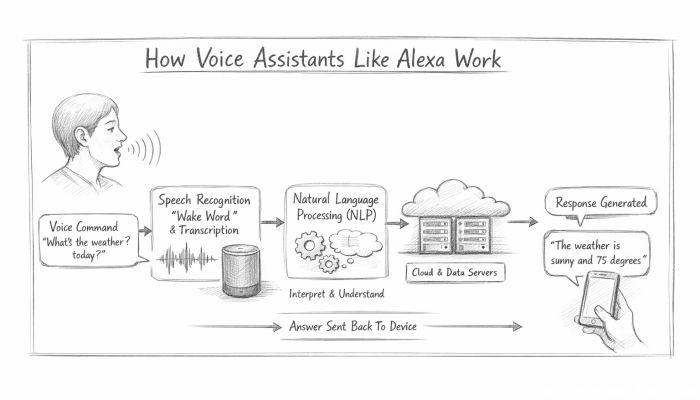 How Voice Assistants Like Alexa Work
 Federated Learning: AI Without Sharing Data