How to Manage Your Time Effectively as a Teenager
In today’s fast-paced world, teenagers face a whirlwind of responsibilities, opportunities, and distractions. From balancing schoolwork and extracurricular activities to socializing and personal pursuits, managing time effectively can seem overwhelming. Yet, mastering time management at a young age is not only essential for academic success but also crucial for developing lifelong skills of discipline and balance. This article explores strategies tailored specifically for teenagers, helping them navigate their busy schedules with confidence and efficiency. By understanding the principles of time management and implementing practical techniques, teenagers can reclaim control over their days, reduce stress, and create a foundation for future success. Whether it’s prioritizing tasks, setting achievable goals, or minimizing distractions, learn how to turn time from a source of stress into a valuable resource.
- Understanding the Importance of Time Management for Teens
- Setting Realistic Goals
- Creating and Using a Schedule
- Prioritizing Tasks Effectively
- Minimizing and Managing Distractions
- Learning to Say No
- Breaking Large Tasks into Smaller Steps
- Using Time Blocks and Focused Study Sessions
- Leveraging Technology Wisely
- Managing Stress and Avoiding Burnout
- Seeking Support and Accountability
- Reflecting and Adjusting Time Management Strategies
- Conclusion
- More Related Topics
Understanding the Importance of Time Management for Teens
Time management may often be associated with adults and professionals, but its significance for teenagers cannot be overstated. At this stage, teens juggle various commitments — academic deadlines, sports practices, social events, and sometimes part-time jobs. Without effective time management, important tasks risk being neglected or done hurriedly, leading to anxiety and poor outcomes. Learning to manage time effectively equips teenagers with better focus, reduces procrastination, and fosters responsibility. Additionally, good time habits formed during adolescence pave the way for future academic and career achievements, as well as a healthier work-life balance.

Setting Realistic Goals
Effective time management starts with clear goal-setting. Teens should establish both short-term objectives (like finishing a homework assignment) and long-term goals (such as improving grades or learning a new skill). It’s important that these goals are realistic and achievable within the available time. Setting unattainable goals leads to frustration and discouragement. Using the SMART criteria (Specific, Measurable, Achievable, Relevant, Time-bound) can help teens focus their efforts on meaningful outcomes. Well-defined goals provide motivation and direct attention to what truly matters amid competing demands.
Creating and Using a Schedule
A well-planned schedule is the backbone of time management. Teens can benefit from using planners, calendars, or digital apps to map out their daily, weekly, and monthly tasks. Scheduling breaks and leisure time alongside work sessions helps maintain balance and accountability. By visually organizing their time, teenagers avoid last-minute rushes and can allocate sufficient periods for study, rest, and extracurriculars. Sticking to a routine improves productivity and builds a sense of control over one’s day. Moreover, reviewing and adjusting the schedule regularly ensures it remains relevant and effective.
Prioritizing Tasks Effectively
Not all tasks carry equal importance or urgency. Learning to prioritize helps teens focus on what needs immediate attention without becoming overwhelmed. Techniques like the Eisenhower Box divide tasks into four categories: urgent and important, important but not urgent, urgent but not important, and neither urgent nor important. By tackling the most critical tasks first and postponing less crucial activities, teens maximize their efficiency. This approach also reduces the temptation to procrastinate on difficult or tedious assignments.
Minimizing and Managing Distractions
In the digital age, distractions are one of the biggest time management challenges for teenagers. Social media, video games, texting, and other engaging platforms can easily derail focus. Establishing boundaries is vital; this might mean silencing notifications, using apps that limit screen time, or finding quiet, dedicated study spaces. Teens can also practice mindfulness techniques to improve concentration. Recognizing when and how distractions occur allows for proactive management, ensuring study sessions remain productive and focused.
Learning to Say No
Many teens struggle with overcommitting to activities in a bid to please others or avoid missing out. However, agreeing to too many engagements puts strain on time and energy. Learning to say no politely but firmly is a crucial time management skill. It helps teens protect their priorities and health without alienating friends or family. Setting limits on extracurricular involvements or social invitations enables teens to devote adequate time to academics and self-care, promoting well-rounded development.
Breaking Large Tasks into Smaller Steps
Large assignments or projects can appear daunting and cause procrastination. A useful strategy is to break down complex tasks into smaller, manageable steps. This approach makes work less intimidating and provides a clear roadmap toward completion. For example, instead of facing an entire research paper at once, a teen can divide it into stages: topic selection, research, outlining, drafting, revising, and proofreading. Each small win builds momentum and confidence, ensuring steady progress and reducing last-minute panic.
Using Time Blocks and Focused Study Sessions
Time blocking involves setting aside specific chunks of uninterrupted time for focused work on particular tasks. Teens can benefit from dedicating, say, 25- or 50-minute intervals to intensive study sessions, followed by short breaks—a method popularized as the Pomodoro Technique. This cycling balances concentration and rest, preventing burnout and sharpening mental alertness. Time blocking also discourages multitasking, which can impair efficiency, ensuring high-quality work within allocated periods.
Leveraging Technology Wisely
While technology often distracts, it can also be a powerful ally in time management. Various tools and apps can help teens track their schedules, set reminders, organize tasks, and even monitor time spent on activities. Examples include digital calendars, task managers like Todoist, focus apps like Forest, and note-taking tools like Evernote. Encouraging purposeful and disciplined use of technology empowers teens to harness digital benefits while avoiding common pitfalls.
Managing Stress and Avoiding Burnout
Effective time management isn’t only about getting things done but also preserving one’s well-being. Constant pressure to perform can lead to stress and burnout, diminishing productivity and happiness. Teens should learn to recognize signs of fatigue and take proactive steps such as regular exercise, adequate sleep, socializing, and relaxation practices. Incorporating downtime in daily schedules prevents overexertion. Maintaining a balanced lifestyle ensures sustainable productivity and a positive attitude.
Seeking Support and Accountability
No one has to master time management alone. Teens can benefit greatly from seeking guidance and support from parents, teachers, or mentors. Discussing schedules and challenges with trusted adults provides valuable perspective and encouragement. Additionally, partnering with friends for study groups or accountability buddies can foster mutual motivation. Feedback on time management attempts helps teens refine their methods and stay committed to improvements.
Reflecting and Adjusting Time Management Strategies
Time management is a dynamic skill that requires ongoing reflection and adjustment. What works during one school term might not suit another, especially as commitments and priorities evolve. Teens should regularly review their effectiveness in managing time, identify obstacles encountered, and experiment with new techniques. Keeping a time journal or rating daily productivity can reveal patterns and areas for development. Flexibility and self-awareness are keys to mastering time effectively.
Conclusion
Managing time effectively as a teenager is a powerful skill that brings immediate benefits and lifelong advantages. By recognizing the importance of this skill, setting clear goals, creating structured schedules, and prioritizing wisely, teens can navigate their busy lives more calmly and productively. Overcoming distractions, learning to say no, and breaking big tasks into smaller ones help maintain momentum and focus. Leveraging technology and practicing focused work techniques boost efficiency, while managing stress ensures sustainable balance. Putting in place support systems and reflecting on methods fosters growth and resilience. Ultimately, mastering time management empowers teenagers to take control of their futures, turning what once felt like chaos into a well-orchestrated symphony of achievement and wellbeing.
 Big O Notation Explained for Beginners
 AI in Gaming: Smarter NPCs and Environments
 Understanding Bias in AI Algorithms
 Introduction to Chatbots and Conversational AI
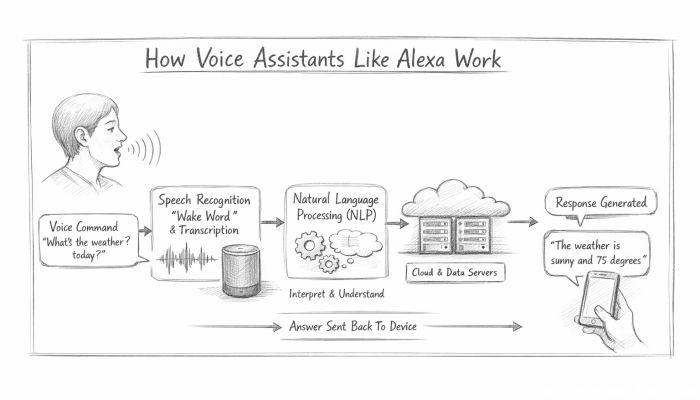 How Voice Assistants Like Alexa Work
 Federated Learning: AI Without Sharing Data